The Willow and the Weaver: A Private Journey Through the Noble Wicker Heritage and Artisanal Soul of the Central Highlands
By Portugal Magik · Published 2026-08-25
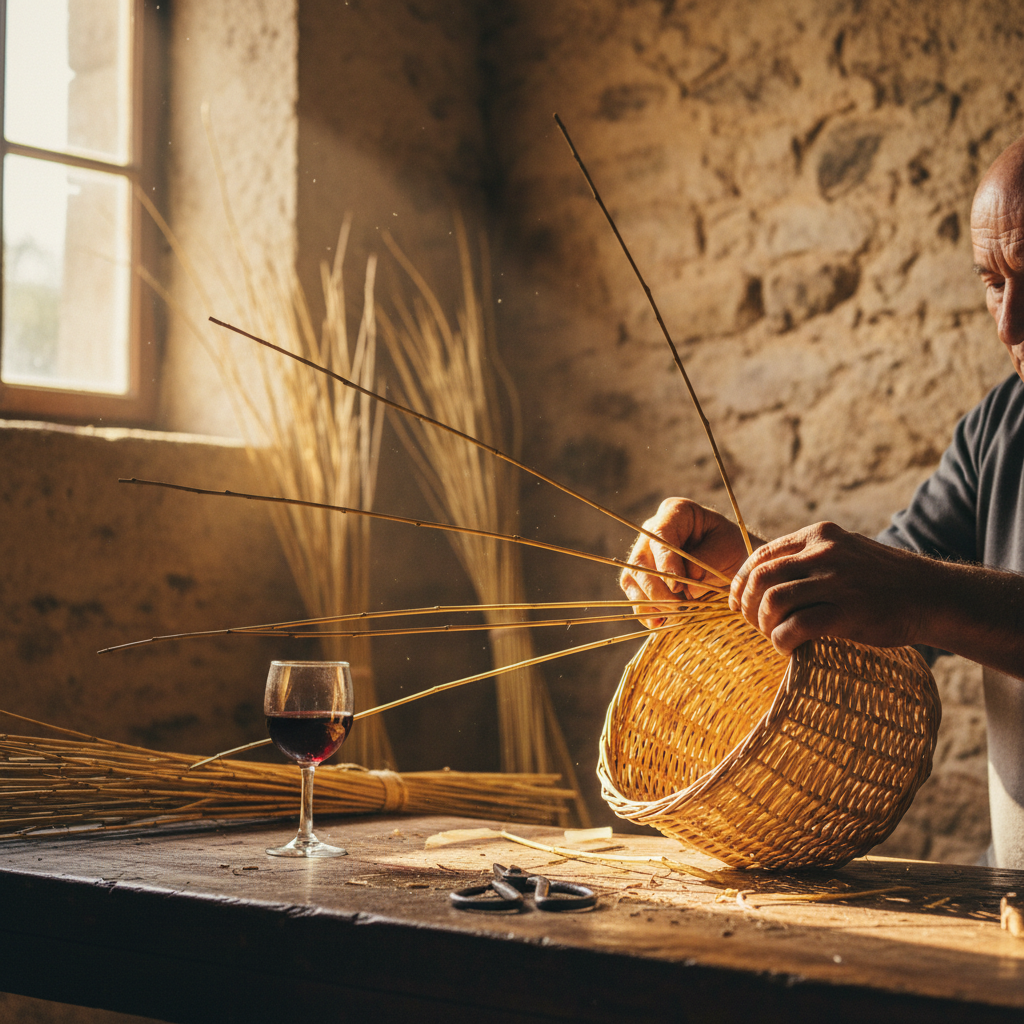
Discover the ancient art of wicker weaving in the Portuguese central highlands, where the noble willow meets centuries of artisanal tradition and scenic mountain beauty.
The landscape of Central Portugal is a tapestry of river valleys and ancient hills, where the rhythm of life is still dictated by the seasons and the steady hands of master craftsmen. Among these traditions, few are as evocative as the art of wicker weaving. This is a heritage that speaks of the river banks, where the willow (salgueiro) grows in abundance, and the small workshops where the scent of soaked wood has lingered for centuries.
Exploring the central highlands through the lens of this artisanal soul provides a profound connection to the Portuguese identity. It is a journey that moves away from the hurried pace of modern life, inviting travelers to appreciate the patience, skill, and history woven into every basket, chair, and decorative object.
## The Botanical Origins: The Gift of the Salgueiro
The story of Portuguese wicker begins at the water’s edge. The willow tree, or *salgueiro*, thrives in the moist soils of the central valleys, particularly along the banks of the Mondego and its tributaries. For generations, these trees have been carefully managed by locals who understand the delicate balance required to produce the perfect rod.
The process is one of immense physical dedication. The willow rods are harvested in the winter months when the sap is low. They are then boiled in large outdoor vats to soften the fibers and release the natural tannins, a process that gives the traditional wicker its distinctive golden-brown hue. Once peeled and dried in the sun, these rods become the raw material for a craft that has sustained families for hundreds of years.
Traveling through this region, one can often see these bundles of willow drying against stone walls, a visual testament to a tradition that remains vital and deeply rooted in the land.
## Castanheira de Pera and the Highlands of Craft
While wicker is found in various pockets of the country, the central highlands near Castanheira de Pera and the surrounding schist villages offer a unique perspective on how geography shapes craft. In these elevated terrains, the use of natural fibers was historically a necessity. Baskets were not merely decorative; they were essential tools for the harvest of olives, grapes, and chestnuts.
In the small workshops that remain, the atmosphere is one of focused quietude. A master weaver sits on a low stool, surrounded by bundles of willow of varying thickness. The sound of the "clack" as the rods are beaten into place and the rhythmic "swish" of the fibers being pulled through the weave create a meditative soundtrack.
To observe this process is to witness a silent dialogue between the artisan and the material. There are no blueprints or modern machines; every curve and reinforcement is determined by the weaver’s touch and years of inherited knowledge.
## The Evolution of an Aesthetic: From Utility to High-End Design
For much of the 20th century, wicker was viewed primarily through the lens of rural utility. However, a recent resurgence in appreciation for natural materials and sustainable craftsmanship has elevated Portuguese wicker to the realms of premium interior design.
Discerning travelers will find that the contemporary artisans of the central highlands are increasingly collaborating with designers to create pieces that fit seamlessly into sophisticated, modern homes. The raw, organic texture of the willow provides a warm contrast to the clean lines of contemporary architecture. From architectural lighting fixtures to elegantly structured furniture, the "noble wicker" has shed its humble image to become a symbol of refined, eco-conscious elegance.
### The Symbolism of the Basket
In Portuguese culture, the basket is more than a container. It is a symbol of abundance and community. During local festivities, wicker baskets are often piled high with bread or flowers, carried in processions that date back centuries. Visiting the region during these periods offers a glimpse into how these artisanal objects remain central to the social fabric of the highlands.
## A Landscape of Granite and Green
Beyond the workshops, the journey through the central highlands is one of breathtaking natural beauty. The roads wind through forests of pine and eucalyptus, opening up to vistas of granite peaks and deep, verdant valleys. This is the heart of Portugal, a place where the air is crisp and the pace of life is dictated by the sun.
The region is also home to the famous *Aldeias do Xisto* (Schist Villages). These settlements, built from dark, layered stone, seem to grow directly out of the mountainsides. Many of these villages have become sanctuaries for traditional crafts, including weaving, pottery, and woodcarving, ensuring that the artisanal soul of the highlands continues to flourish.
## Planning Your Journey Through the Highlands
For those seeking to immerse themselves in this heritage, the experience is best enjoyed with the freedom of a private vehicle and the insights of a local who understands the nuances of the region.
### The Best Time to Visit While the highlands are beautiful year-round, the autumn months are particularly evocative. As the leaves turn and the harvest begins, the connection between the land and the wicker craft becomes even more apparent. Spring is also delightful, as the willow trees along the rivers begin to bud, and the valleys are carpeted in wildflowers.
### Navigation and Access The central highlands feature winding mountain roads that, while scenic, require careful navigation. The most comfortable way to experience this region is through a dedicated private transport service. This allows guests to focus entirely on the scenery and the cultural encounters, rather than the complexities of mountain driving.
### Culinary Complement No journey through the highlands is complete without sampling the local gastronomy. The region is famous for its hearty mountain fare, including roasted kid (cabrito), artisanal goat cheeses, and honey sourced from the wild heather of the slopes. These flavors provide the perfect culinary backdrop to a day spent exploring the noble heritage of the willow.
## The Enduring Appeal of the Handcrafted
In an era of mass production, the wicker of the central highlands stands as a testament to the enduring value of the human touch. Each piece is unique, bearing the slight variations that prove it was created by hand rather than a machine. For the international traveler, acquiring a piece of this heritage is not just about bringing home a souvenir; it is about preserving a piece of Portuguese history.
The artisans of the highlands do not just weave willow; they weave stories, traditions, and a sense of place into every object they create. To witness this is to understand the true artisanal soul of Portugal.
## Discover the Heart of Portugal
Exploring the hidden workshops and scenic valleys of the central highlands requires a level of local expertise and logistical coordination that goes beyond the standard travel experience. To truly connect with the "noble wicker" heritage, one must venture off the beaten path into the heart of the mountains.
Portugal Magik offers a sophisticated way to navigate this cultural landscape. With fourteen years of experience dedicated to discerning international travelers seeking premium experiences, we provide the comfort and flexibility necessary for such a deep cultural immersion. Our exclusive fleet of Mercedes-Benz vehicles, including E-Class and V-Class models, ensures that your journey through the winding roads of the highlands is as smooth as it is memorable.
Our professional English-speaking drivers serve as your hosts on the road, offering route guidance and the freedom to stop whenever a vista or a small village workshop catches your eye. We provide a door-to-door service that removes the stress of travel, allowing you to focus entirely on the beauty and heritage of the region.
Whether you are drawn by the intricate art of the weaver, the rugged beauty of the schist villages, or the quiet majesty of the willow-lined rivers, we invite you to experience the central highlands in a way that is both intimate and refined.
Speak with our team and discover how to turn this experience into reality. Request your personalized proposal today.