Why Madeira’s Wine Ages in the Attic: Sercial, Malvasia and the Canteiro Tradition
By Portugal Magik · Published 2026-09-25
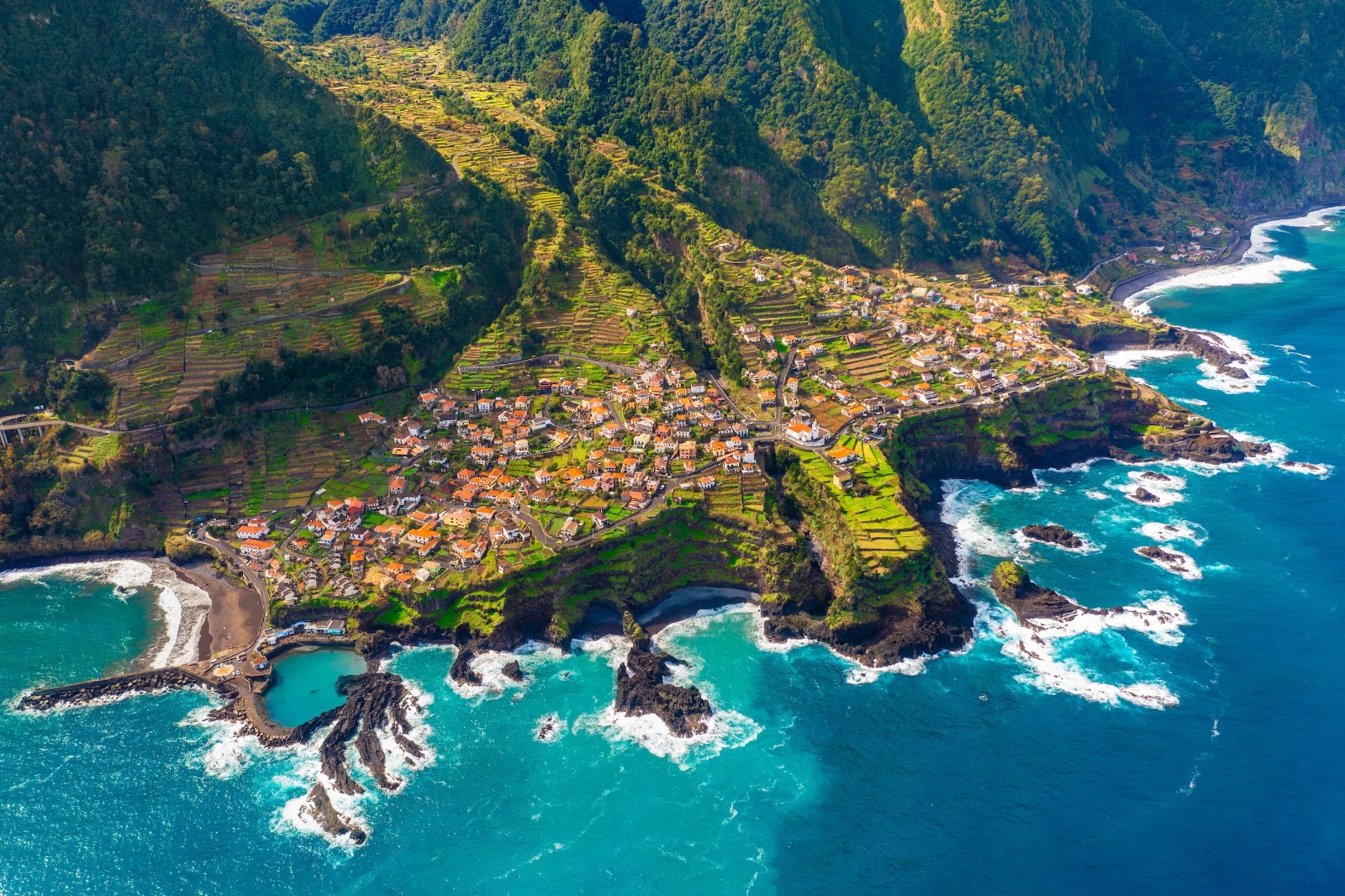
Discover the fascinating Canteiro tradition of Madeira wine, where heat and time in volcanic attics create some of the world's most resilient and complex vintages.
Amidst the dramatic cliffs and emerald peaks of the Atlantic, an island exists where time and heat serve as the ultimate winemakers. Madeira is a landscape of extremes, yet its most famous export is defined by a paradoxical grace. Unlike the vast majority of the world's finest wines, which find sanctuary in the damp, cool darkness of underground cellars, Madeira wine reaches its peak in the warmth of the attic.
This is the story of the Canteiro tradition, a method of aging that defies conventional viticultural logic. It is a process where the sun, the wood, and the passage of decades transform sharp acidity into a complex symphony of dried fruits, spices, and toasted nuts. For the discerning traveler, understanding Madeira wine is not merely a tasting exercise; it is an immersion into a history that shaped global trade and graced the tables of emperors and founding fathers alike.
## The Canteiro Method: A Legacy of Heat and Time
The word Canteiro refers to the wooden beams upon which the casks of wine are rested. In the traditional wineries of Funchal, these casks are not hidden away in the basement. Instead, they are placed in the loft spaces or attics of the adegas, where they are exposed to the natural heat of the sun throughout the year.
This deliberate exposure to warmth is a tribute to the "torna viagem" or the round trip. In the 17th and 18th centuries, wine was loaded onto ships as ballast. During long voyages through tropical climates, the heat in the holds of the ships chemically altered the wine, concentrating its flavors and preventing spoilage. Winemakers soon realized that the heat was not an enemy but a transformative ally.
When you walk through a traditional cellar today, the air is thick with the "angel's share," the portion of wine that evaporates through the porous oak staves. In the Canteiro system, this evaporation leads to a natural concentration of sugars, acidity, and alcohol. A wine might stay in these warm attics for twenty, fifty, or even one hundred years, slowly moving from the warmest upper floors to cooler lower levels as it matures.
## The Noble Varieties: From Sercial to Malvasia
The character of a Madeira wine is largely defined by its grape variety, each of which corresponds to a specific level of sweetness and a distinct aromatic profile. These are often referred to as the four noble grapes.
### Sercial: The Atlantic Breeze Sercial is the driest of the noble varieties. Grown at higher, cooler elevations on the island, it is known for its piercing acidity and vibrant citrus notes. In its youth, Sercial can be bracing, but after decades in the Canteiro, it softens into a sophisticated aperitif. It often displays aromas of almond, walnut, and saline mineral qualities that reflect the island's volcanic soil and proximity to the ocean.
### Verdelho: The Elegant Middle Ground Verdelho offers a medium-dry profile. It is rounder than Sercial, striking a beautiful balance between acidity and a subtle, honeyed richness. Many enthusiasts consider Verdelho the most versatile of the Madeira wines, offering notes of dried stone fruits, spice, and a distinctive smoky finish.
### Bual: The Spice of the Island As we move into the medium-sweet category, we find Bual (or Boal). This variety is prized for its intense aromatics. A well-aged Bual is a sensory journey through dark chocolate, roasted coffee, and dried figs. It possesses a deep amber color and a velvety texture that lingers long after the final sip.
### Malvasia: The Richness of History Also known as Malmsey, this is the sweetest and richest of the noble grapes. Malvasia was one of the first varieties planted on the island following its discovery in the 15th century. It produces wines of incredible longevity and depth, characterized by notes of molasses, toffee, and candied peel. Despite its sweetness, a true Malvasia always retains a backbone of acidity, ensuring the wine never feels heavy or cloying.
## The Volcanic Terroir: A Landscape Like No Other
To understand the wine, one must understand the land. Madeira is a volcanic island rising sharply from the sea. There is very little flat ground, meaning that vineyards are carved into the steep hillsides in tiny, stepped terraces known as poios.
The soil is basaltic and rich in minerals, which imparts a unique tension to the grapes. Because the terrain is so vertical, mechanical harvesting is impossible. Every grape is picked by hand, often transported up and down narrow stone steps. This labor-intensive viticulture ensures that every bottle of Madeira is a product of human dedication and a deep connection to the earth.
Water management is another feat of engineering. The island's levadas, a network of narrow irrigation channels, carry water from the rainy peaks in the north to the sun-drenched vineyards of the south. Walking along these levadas provides a glimpse into the ingenuity required to sustain life and agriculture on this rugged terrain.
## Exploring Funchal: The Heart of the Wine Trade
Funchal, the island's capital, is the historical epicenter of the Madeira wine trade. The city is home to several historic wine lodges where the Canteiro tradition is still very much alive.
Walking through the cobblestone streets, travelers can discover grand estates and former warehouses that have been converted into tasting rooms. These spaces are often filled with the scent of old wood and evaporating wine. While the island offers many opportunities to taste these rare vintages, the true experience lies in the atmosphere of the cellars themselves, where the history of the 18th and 19th centuries feels remarkably present.
Beyond the wine, Funchal offers a sophisticated blend of botanical beauty and Atlantic charm. The Monte Palace Tropical Garden and the Funchal Botanical Garden showcase the island's incredible biodiversity, while the local markets, such as the Mercado dos Lavradores, offer a vibrant display of exotic fruits and fresh seafood.
## Practical Considerations for the Discerning Traveler
Visiting Madeira requires a shift in pace. The island is not a place for rushing; it is a place for contemplation.
* **When to Visit:** Madeira is known as the island of eternal spring. However, for those interested in the viticultural cycle, the harvest typically takes place in late August and September. This is a festive time when the air is filled with the scent of crushed grapes. * **Tasting Etiquette:** When tasting older vintages, particularly those from the Canteiro system, it is advisable to allow the wine time to breathe. Some Frasqueira (vintage) wines have been in the bottle for decades and need a moment to open up and reveal their full complexity. * **Beyond the Glass:** Pair your wine exploration with the local gastronomy. Sercial is a wonderful companion to local seafood, while the richer Malvasia is traditionally served with the famous honey cake, Bolo de Mel.
## A Journey into the Soul of Madeira
The wines of Madeira are among the most resilient in the world. Because they have already been exposed to heat and oxygen during the Canteiro process, an opened bottle can last for months or even years without losing its character. They are, in many ways, immortal.
This sense of timelessness is what draws travelers to the island. In an era of mass production and rapid consumption, Madeira stands as a testament to the virtues of patience and the beauty of tradition. It is a destination that rewards curiosity and honors the slow passage of time.
Exploring this unique corner of Portugal requires more than just a map; it requires an appreciation for the nuances of the land and the hands that shape it. The journey from the steep volcanic terraces to the warm attics of Funchal is one of the most compelling narratives in the world of wine.
For those who wish to experience the beauty of Portugal with ease and sophistication, having a dedicated professional to manage the logistics of travel is invaluable. Portugal Magik provides a premium private driver service that allows guests to focus entirely on the wonders of the destination. With a fleet of modern Mercedes-Benz vehicles and a team of professional English-speaking drivers, the focus remains on comfort and a seamless travel experience.
Whether you are navigating the winding roads of the north coast or seeking the historic lodges of Funchal, the flexibility of a private driver ensures that your itinerary remains entirely your own.
Speak with our team and discover how to turn this experience into reality.