The White Gold of Alentejo: A Private Connoisseur’s Journey Through Estremoz Marble and Noble Terroir
By Portugal Magik · Published 2026-04-22
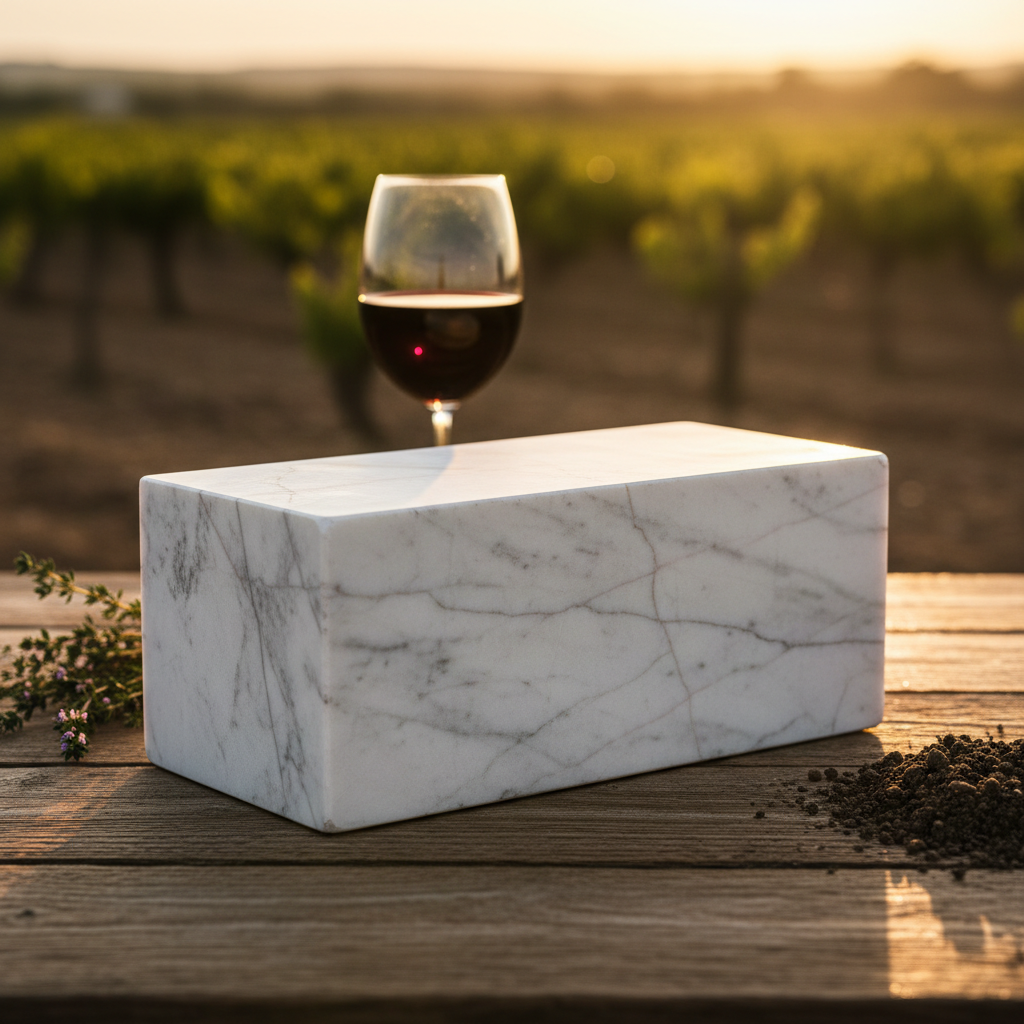
Explore the exclusive 'White Gold' triangle of Alentejo, where world-class marble quarries meet noble wine estates in a journey designed for the sophisticated traveler.
Beyond the rolling cork forests and the sun-drenched plains of Portugal’s Alentejo region lies a landscape where history is etched in stone and poured into a glass. While the region is celebrated for its slow-paced charm and rustic elegance, there exists a specific triangle between Estremoz, Borba, and Vila Viçosa that hides a treasure of geological and viticultural significance. This is the realm of "White Gold", the world-renowned Alentejo marble, and the noble terroir that produces some of the Iberian Peninsula’s most sophisticated wines.
For the discerning traveler, a journey here is not merely a sightseeing excursion but an immersion into a heritage that spans millennia. It is a place where the earth’s deepest riches meet the refined touch of human artistry, best explored with the comfort and privacy that allows the story of the land to truly unfold.
## The Architecture of Light: The Marble Quarries of Estremoz
The Alentejo is home to one of the most significant marble deposits on the planet. Often compared to the Carrara of Italy, the marble of Estremoz is distinguished by its unique palette, ranging from pure, blinding white to delicate shades of rose and deep, dramatic greys.
### A Subterranean Masterpiece To stand on the edge of a deep-cut marble quarry is to witness a grand architectural feat in reverse. These "inverted skyscrapers," plunging hundreds of meters into the earth, reveal the geological layers of time. Observing the extraction process is a visceral experience; the precision with which massive blocks are carved from the bedrock is a testament to both ancient tradition and modern engineering.
### The Village of Stone In the nearby town of Vila Viçosa, the use of this "White Gold" reaches its zenith at the Ducal Palace (Paço Ducal). The ancestral seat of the House of Braganza, the monarchs of Portugal, stands as a monument to the stone’s versatility. Here, the marble is not just a building material; it is a canvas. From the intricate façades to the cool, echoing hallways, the stone lends an ethereal quality to the light, creating an atmosphere of quiet, enduring nobility.
## The Noble Terroir: Viticulture Born of Earth and Stone
While the marble defines the skeleton of the region, the vineyards provide its soul. The same geological complexity that yields world-class stone also creates a unique terroir for viticulture. In the Alentejo, the relationship between the soil and the vine is a sacred dialogue, resulting in wines of exceptional structure and character.
### A Connoisseur’s Selection The Borba and Estremoz sub-regions are home to some of Portugal’s most prestigious estates. Here, the continental climate, characterized by hot days and cool, refreshing nights, allows grape varieties like Trincadeira, Aragonez, and the noble Alicante Bouschet to achieve perfect ripeness.
A private visit to an Alentejo *herdade* (estate) is a sensory revelation. Far from the crowded tasting rooms of more commercial regions, these estates offer intimate encounters with the winemakers. One might find themselves tasting a robust red directly from a French oak barrel or exploring the ancient "talha" (amphora) techniques that have seen a contemporary resurgence among premium producers. These wines, often produced in limited quantities, are characterized by their velvety tannins and a distinct minerality, a subtle nod to the marble-rich earth from which they bloom.
## The Art of the Table: Alentejo’s Refined Gastronomy
No exploration of this region is complete without acknowledging its culinary heritage. Often described as the soul of Portuguese cooking, the Alentejo’s gastronomy has evolved from humble, pastoral origins into a sophisticated culinary language.
In the hands of modern chefs, traditional ingredients are elevated. Imagine a carpaccio of locally sourced black Iberian pork, drizzled with estate-grown olive oil that carries the fragrance of the surrounding groves, or a delicate soup of wild herbs paired with a crisp, mineral-forward Arinto white wine. The setting, whether it be a sun-dappled terrace overlooking the plains or a refined dining room within a historic *pousada*, enhances the experience, turning a meal into a lingering celebration of the senses.
## Navigating the Alentejo with Sophistication
To truly grasp the essence of the Alentejo, one must embrace its rhythm. This is a region that rewards patience and rewards those who venture off the beaten path. However, the vastness of the plains and the tucked-away nature of the finest quarries and estates require expert navigation.
### The Excellence of Private Exploration The transition from a dusty quarry to a pristine vineyard, and finally to a historic hilltop village, is best achieved through the seamless logistics of a private journey. Traveling in a premium vehicle, such as an E-Class for a couple or a spacious V-Class for a small group of friends, ensures that the focus remains entirely on the experience.
A professional driver-guide, fluent in the nuances of the region’s history and culture, serves as an essential bridge. They provide access to private estates that are often closed to the general public and share insights that only a local connoisseur would possess.
## Practical Information for the Discerning Traveler
* **Best Time to Visit:** The Alentejo is a year-round destination, but the spring (April to June) and autumn (September to October) offer the most temperate climate and stunning colors in the vineyards. * **What to Wear:** Opt for "smart casual" attire. While the region is relaxed, the premium estates and upscale dining venues appreciate a polished appearance. Comfortable, closed-toe shoes are recommended for visiting quarries or vineyard walks. * **Duration:** A dedicated journey through the marble and wine triangle typically requires a full day, starting from Lisbon or as part of a multi-day stay in a historic Estremoz hotel.
## A Legacy Etched in Stone and Wine
The Alentejo is more than a geographic region; it is a state of mind. It is a place where the weight of history is balanced by the lightness of a golden afternoon. By following the trail of the "White Gold," travelers discover a side of Portugal that is both ancient and eternally sophisticated.
The quarries remind us of the earth beneath our feet, the palaces tell stories of an empire, and the wines offer a taste of the sun and soil. This triangle of Estremoz, Borba, and Vila Viçosa represents the pinnacle of Alentejo’s noble terroir, a destination that demands to be experienced with the utmost care and exclusivity.
## Curating Your Alentejo Experience
For fourteen years, Portugal Magik has been dedicated to discerning international travelers seeking premium experiences. With an exclusive fleet of Mercedes-Benz vehicles and a team of professional English-speaking driver-guides, we specialize in revealing the hidden facets of Portugal with unmatched elegance and local expertise. Whether you wish to descend into the depths of a marble quarry or enjoy a private vertical tasting at a world-class wine estate, we ensure every detail is handled with precision.
Speak with our team today and discover how to turn this connoisseur’s journey into a reality. Requests for personalized proposals are welcomed as we prepare to welcome you to the timeless beauty of the Alentejo.