Warm Bread on the Doorstep: Portugal’s Daily Morning Delivery Habit
By Portugal Magik · Published 2026-11-22
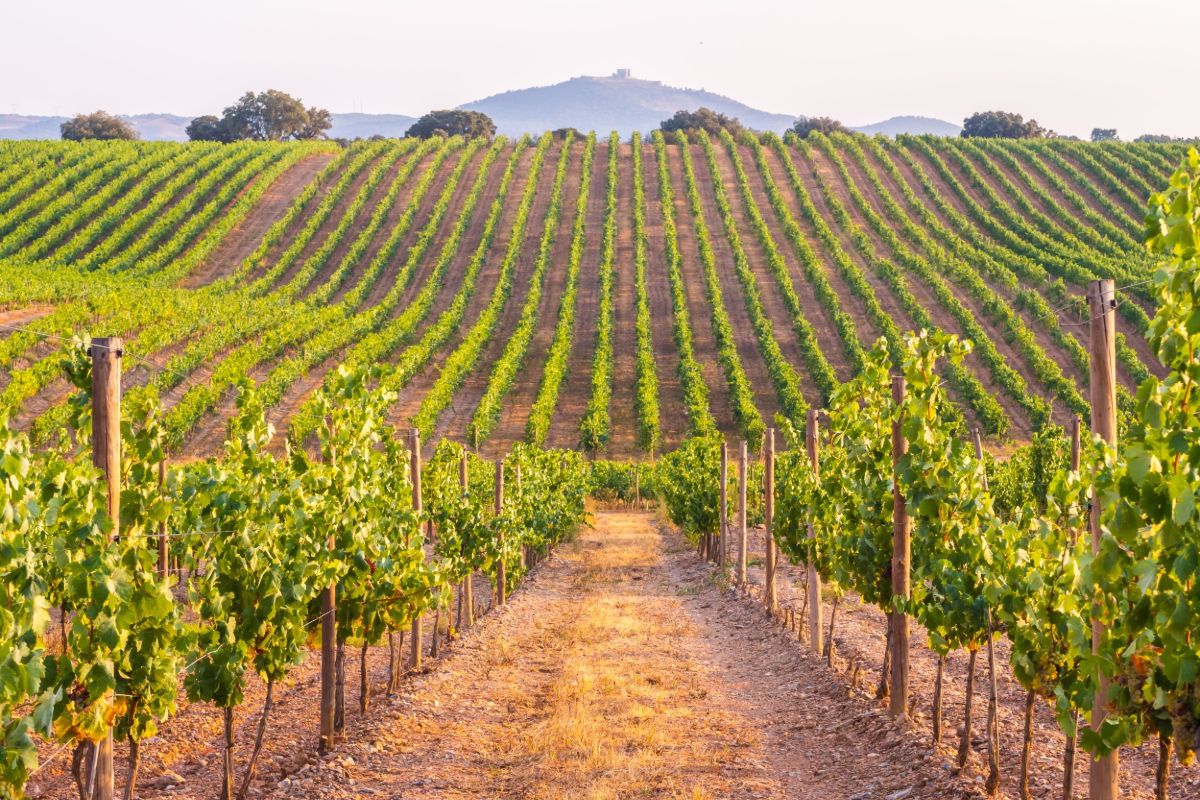
Discover the charming tradition of daily bread delivery in Portugal, where warm loaves arrive at the doorstep and community bonds are forged over fresh crusty rolls.
The sun is just beginning to peek over the horizon in a small village in the Alentejo. The air is crisp, smelling of wild thyme and damp earth. Suddenly, the quiet is broken by the gentle hum of a small van and the rhythmic honk of a horn, two short bursts that act as a wake-up call for the neighborhood. A resident steps out in a robe to find a small cotton bag hanging on the door handle, now heavy with the weight of two warm, crusty rolls. This is the heartbeat of morning in Portugal.
For many international visitors, the idea of a daily bread delivery feels like a scene from a vintage movie. Yet, in Portugal, the *padeiro* (baker) is a vital part of the social fabric. It is a tradition that persists despite the rise of modern supermarkets, driven by a national obsession with the quality, texture, and soul of a good loaf of bread.
## More Than Just a Meal: The Ritual of the Padeiro
In the rural heartlands and even in the quiet suburbs of larger cities, the morning bread delivery is a testament to the Portuguese commitment to community. The baker does not just drop off a product; they are often the first point of contact for elderly residents, a moving news station for local gossip, and a reliable clock by which the village sets its day.
When you see those small, hand-embroidered drawstring bags hanging from gates and doorbells, you are seeing a quiet contract of trust. The baker knows exactly who wants a *papo-seco* (a light, airy roll) and who prefers a denser *pão de milho* (cornbread). The sound of the van is a comfort, a signal that the world is waking up and that, for another day, the essentials of life are being looked after.
## A Tour of Regional Loaves
Portugal is a land of incredible bread diversity. Because the geography changes so rapidly from the granite mountains of the north to the rolling golden plains of the south, the flour and techniques change too. Understanding what arrives on the doorstep requires a little knowledge of these regional stars.
### The Hearty Alentejo Loaf In the south, bread is king. The *Pão Alentejano* is a large, dense loaf with a thick, dark crust and a slightly acidic, sourdough-like interior. It is designed to last for days, getting better as it settles. When fresh, it is perfect with a smear of salted butter; when a few days old, it becomes the base for *açorda* (bread soup) or *migas*. The smell of this bread, often baked in wood-fired ovens, is the definitive scent of the Portuguese countryside.
### The Cornbread of the North Head toward the Minho or the Douro regions, and you will encounter *Broa de Milho*. This is a heavy, yellow bread made from cornmeal and rye. It has a cracked, rugged crust that shatters when you bite into it, revealing a moist, dense center. It is the traditional companion to *caldo verde* (green kale soup). It feels ancient and nourishing, a true taste of the rugged Atlantic coastline and its hillside farms.
### The Versatile Papo-Seco If you are in a more urban setting or a coastal town, the delivery bag likely contains *papos-secos*. These are the quintessential Portuguese rolls. They are white, oval-shaped, and pulled apart in the middle to create two distinct "cheeks." They have a thin, golden crust that flakes away to a soft, cotton-like interior. They are the foundation of the *bifana* (pork sandwich) and the standard breakfast choice for millions of people.
## The Architecture of Delivery: Hooks, Bags, and Horns
The logistics of the morning delivery are charmingly low-tech. Most homes have a specific hook or a nail near the front door. Many families use a *saco do pão*, a traditional cloth bag often decorated with floral embroidery or the word *Pão*. This bag serves two purposes: it keeps the bread ventilated so the crust stays crisp (plastic is the enemy of good bread), and it signals to the baker that a delivery is needed.
Payment is equally traditional. In many villages, the baker keeps a running tab, or the resident leaves a small coin purse inside the bag. There is an unspoken honesty to it all. The baker knows their route by heart, navigating narrow cobblestone streets with a precision that comes from decades of practice. To hear that horn honking in the distance is to know that breakfast is officially served.
## Why Fresh Bread Matters in Portugal
To understand why this habit survives, you have to understand the Portuguese relationship with food. Bread is not considered a side dish or an afterthought; it is a fundamental requirement for a proper meal. It is the tool used to mop up the olive oil and garlic at the bottom of a dish of clams. It is the platform for a slice of sheep’s cheese or a sliver of salty presunto.
The Portuguese palate is highly sensitive to the "industrial" taste of supermarket bread. There is a deep respect for the *padaria* (bakery) that uses local grains and natural fermentation. The delivery system ensures that even those living in remote areas have access to high-quality, artisanal products every single morning, keeping the small-scale grain economy alive.
## The Sensory Experience of a Portuguese Breakfast
Imagine waking up in a premium villa or a restored manor house in the countryside. You open the heavy wooden shutters to let in the morning light. You step outside, the stones still cool under your feet, and retrieve the warm bag from the door.
Inside, the bread is still radiating heat from the oven. You tear a piece off, watching the steam rise. You pair it with a strong *café* and perhaps some local honey or a slice of Serra da Estrela cheese. The quiet of the morning, the smell of the yeast, and the simplicity of the meal create a moment of profound peace. This is not a "tourist experience"; it is a slice of authentic life that has remained unchanged for generations.
## How to Experience This Tradition
While modern hotels in the centers of Lisbon or Porto might use commercial suppliers, many high-end boutique stays and rural quintas still participate in the daily delivery ritual. When staying in smaller towns or villages, you will likely see the bread vans making their rounds between 7:00 AM and 9:00 AM.
If you are early enough, you can even flag down the baker. They are usually happy to sell an extra loaf or two to a curious traveler. It is a wonderful way to practice a few words of Portuguese and experience the genuine warmth of the local people. Just look for the white vans and listen for that distinctive "honk-honk."
## Exploring the Flavors of Portugal with Ease
Taking in the sights, sounds, and tastes of the Portuguese countryside is a sensory journey that is best enjoyed without the stress of navigating unfamiliar roads or worrying about logistics. Moving between the wheat fields of the Alentejo and the vineyards of the North requires a steady hand and local knowledge.
Many travelers find that having a dedicated professional at the wheel allows them to fully immerse themselves in these cultural nuances. Instead of focusing on a GPS, you can watch the landscape change, stop at a roadside bakery that smells too good to pass up, and arrive at your destination refreshed and ready to explore.
Our team at Portugal Magik has spent over a decade helping discerning travelers discover these hidden corners of the country. We provide premium transport in a modern fleet of Mercedes-Benz vehicles, including E-Class sedans for couples and spacious V-Class or Sprinter vans for families and small groups. Our English-speaking drivers are more than just chauffeurs; they are your bridge to the local culture, ensuring your journey through the mainland is smooth, flexible, and comfortable.
Whether you are chasing the best *broa* in the north or the perfect crusty loaf in the south, having a private driver means you can set your own pace and focus on the moments that matter.
Speak with our team and discover how to turn this experience into reality.