A Visitor's Guide to the Golegã National Horse Fair: Autumn Atmosphere, Roasted Chestnuts and Lusitano Traditions
By Portugal Magik · Published 2026-11-13
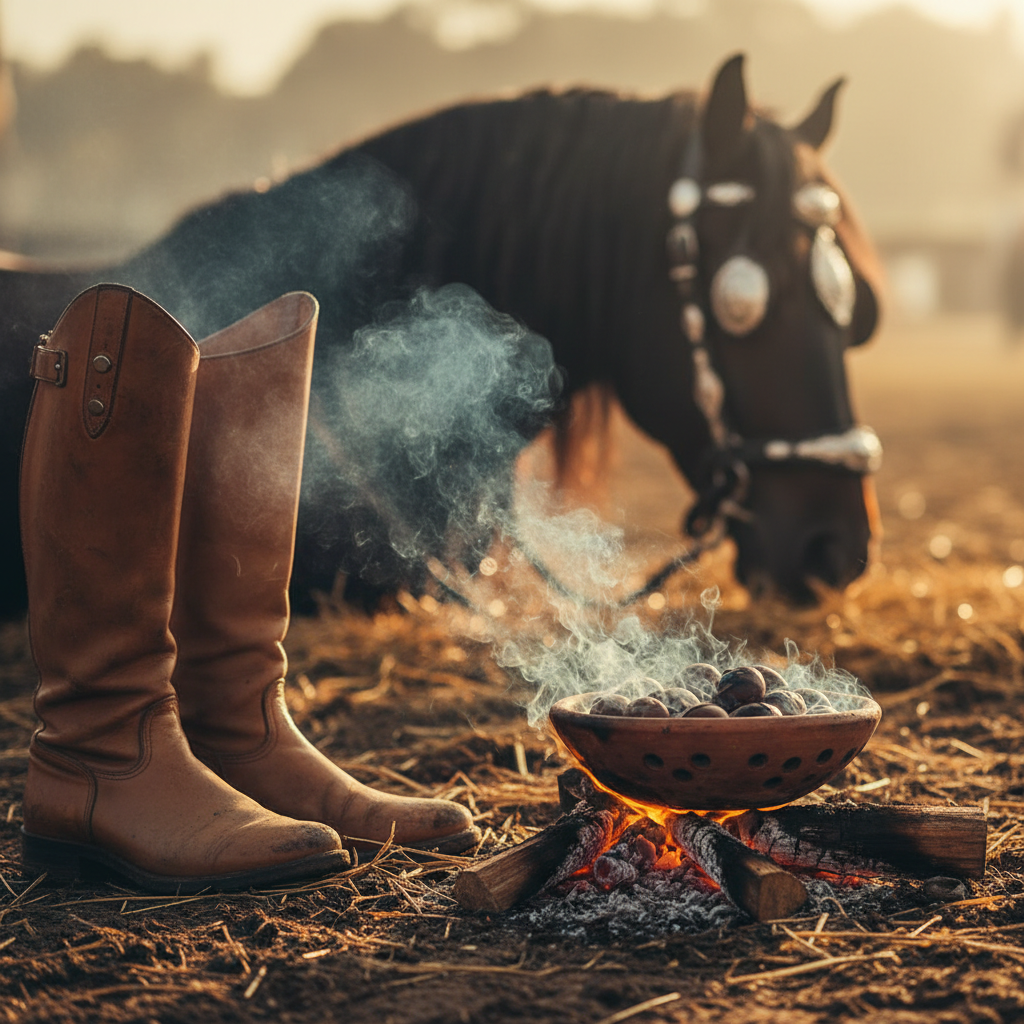
Discover the magic of the Golegã National Horse Fair, where Lusitano traditions, roasted chestnuts, and autumn charm bring this Portuguese village to life every November.
Imagine a crisp November evening in the heart of the Ribatejo region. The air is thick with the sweet, smoky scent of roasted chestnuts and the sound of thousands of rhythmic hoofbeats clicking against cobblestones. As a golden haze of dust and autumn light settles over the central square, riders in traditional velvet jackets and wide-brimmed hats pass by on elegant, arch-necked horses. This is not a film set or a historical reenactment. This is Golegã during the Feira Nacional do Cavalo, a place where time seems to have paused a century ago.
Located about ninety minutes northeast of Lisbon, the small town of Golegã is known as the Horse Capital of Portugal. For most of the year, it is a quiet, whitewashed agricultural village. However, for ten days every November, centered around Saint Martin’s Day on November 11th, it transforms into the most important gathering of horse lovers in the country. It is a sensory feast, a social marathon, and a deep dive into the soul of Portuguese rural tradition.
## The Spirit of the Lusitano Horse
At the heart of the fair is the Lusitano, Portugal’s legendary horse. These animals are famous for their bravery, intelligence, and grace. During the fair, you will see them everywhere. They are not just in stalls or arenas; they are being ridden through the streets, tied up outside local bars while their riders grab a quick coffee, and paraded in the Manga, the central oval track that serves as the fair’s beating heart.
The bond between the Portuguese people and these horses is palpable here. You will see young children riding with the same poise as seasoned veterans, all dressed in the traditional *traje de equitação* (riding attire). The horses themselves seem to enjoy the spectacle, arching their necks and showing off their high-stepping gaits to the crowds. It is a rare opportunity to see hundreds of high-quality Lusitanos in one concentrated area, representing the best breeding farms from across the country.
## The Magic of the Manga
The central square of Golegã, known as the Largo do Arneiro, is transformed into a large dirt arena called the Manga. This is where the action happens. From late morning until long after midnight, a continuous stream of riders circles the track. There is no strict schedule for this informal parade; it is a fluid, living exhibition of equestrian skill.
Watching the Manga from the sidelines is a hypnotic experience. You might see a lone rider practicing classical dressage movements, followed by a traditional horse-drawn carriage carrying a family in period dress. The mix of high-level horsemanship and casual socializing is what makes Golegã unique. It is a place to see and be seen, where the dust, the sunlight, and the sheer number of horses create an atmosphere that is impossible to find anywhere else in Europe.
## Saint Martin’s Day and Autumn Flavors
The fair coincides with the Feast of Saint Martin, a time when Portuguese tradition dictates that the new wine of the season is tasted and chestnuts are roasted over open flames. Throughout the streets of Golegã, you will find vendors with charcoal grills, turning chestnuts until their skins pop and the insides become soft and sweet. They are served in paper cones, warming your hands as you walk.
The local food is equally hearty and comforting. Temporary restaurants and stalls set up across the town serve regional specialties like *sopa da pedra* (stone soup) or grilled meats. Because the fair takes place in the Ribatejo, which is bull-fighting and farming country, the flavors are bold and rustic. Sharing a plate of local sheep’s cheese and a glass of red wine while standing at a wooden table near the stables is a quintessential part of the Golegã experience.
## The Evening Atmosphere
While the fair is vibrant during the day, it takes on a different character after the sun sets. The yellow glow of the streetlights, the cooler autumn air, and the sound of Fado or traditional folk music drifting from the *casetas* (small stalls or tents) create a festive, intimate mood. The crowd swells, and the energy in the Manga becomes even more electric.
In the evening, the dress code seems even sharper. Riders appear in their finest gear, and the horses seem to glow under the lights. It is a social event as much as a sporting one. People gather to talk shop, discuss bloodlines, and celebrate their shared heritage. Even if you are not a horse expert, the sheer aesthetic beauty of the evening, with the silhouette of the Manueline church tower overlooking the crowded square, is breathtaking.
## Exploring the Casapio and Local Craftsmanship
Beyond the horses, the fair is a showcase for Portuguese craftsmanship. You can wander through rows of shops selling handmade leather saddles, intricate bridles, and the traditional silver spurs used by Portuguese riders. There are also beautiful displays of traditional clothing, from the stiff felt hats to the embroidered waistcoats.
One of the most impressive sites in town is the Quinta da Cardiga or the various private stables, known as *Casapios*, which are often open to the public during the fair. These spaces are decorated with beautiful tiles and filled with the scent of fresh hay and polished leather. Walking through these stables gives you a glimpse into the high-end world of horse breeding and the pride that local families take in their stables.
## Practical Tips for Your Visit
Visiting Golegã during the fair requires a bit of planning, as the town becomes incredibly crowded. Because the fair takes place in November, the weather can be unpredictable. It might be sunny and warm during the day, but it often gets chilly or damp at night, so layers are essential. Sturdy, comfortable shoes are a must, as you will be walking on uneven ground and through dusty or muddy areas.
Parking in the town center is nearly impossible during the fair. Most visitors park on the outskirts and walk in. If you are visiting for the day, arriving early in the afternoon is a good strategy to beat the heaviest evening crowds. However, to truly see the fair at its most dramatic, you should plan to stay until at least eight or nine in the evening when the atmosphere is at its peak.
## Why Golegã Matters
The Golegã National Horse Fair is more than just a trade show or a competition; it is a living monument to Portuguese identity. In a world that is moving increasingly fast, Golegã remains a place where tradition is not just remembered, but actively lived. The respect shown to the animals, the preservation of traditional dress, and the communal celebration of the harvest and the horse are deeply moving to witness.
For the international traveler, it offers a window into a side of Portugal that feels authentic and unpolished. It is not designed for tourists; it is a festival for the locals that guests are lucky enough to witness. The combination of the noble Lusitano horses, the warmth of the roasted chestnuts, and the passion of the Ribatejo people makes it one of the most memorable events on the Portuguese calendar.
## Discover the Heart of Portugal
Experiencing the Golegã Horse Fair is best done with the flexibility of a private vehicle and a driver who knows the winding roads of the Ribatejo. Having a dedicated professional to manage the logistics of the trip allows you to fully immerse yourself in the sights and sounds of the fair without worrying about navigation or parking in the crowded town.
Whether you are a lifelong equestrian or simply a traveler who loves culture and history, a journey to Golegã in November is a highlight of any autumn visit to the country. The elegance of the horses and the rustic charm of the village create a contrast that stays with you long after the sound of the hoofbeats has faded.
Speak with our team and discover how to turn this experience into reality. Request your personalized proposal today.