Visiting Idanha-a-Velha: Roman Ruins, Olive Groves and Timeless Stone Alleys
By Portugal Magik · Published 2026-11-25
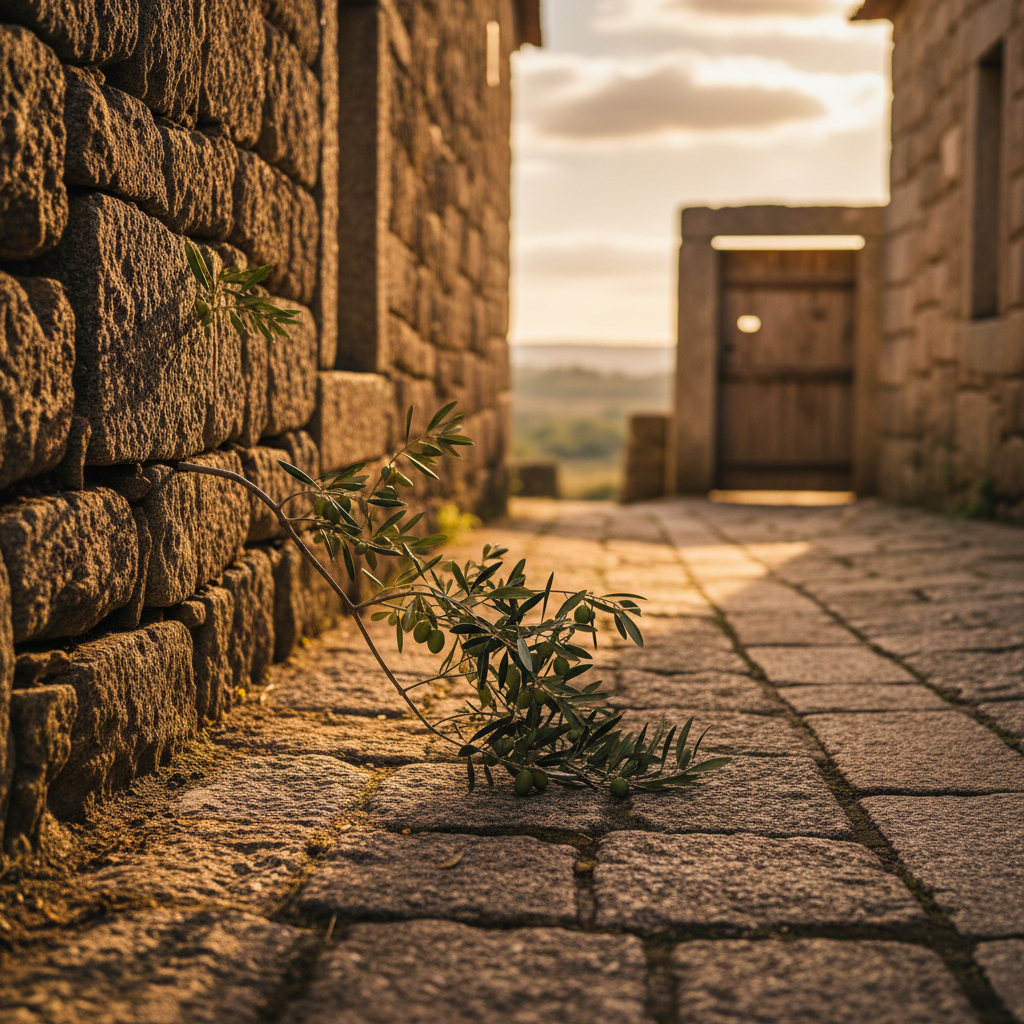
Explore Idanha-a-Velha, an ancient Roman capital in Portugal filled with Visigothic ruins, Templar towers, and silver olive groves. Discover a village where two thousand years of history live in every stone.
Imagine standing in a village where the silence is so heavy you can hear the wind whistling through gaps in stones laid two thousand years ago. In Idanha-a-Velha, the golden light of the Beira Baixa region hits the weathered granite walls of a village that once served as a powerful Roman capital. There are no crowds here, no modern billboards, and no rush. Just the scent of sun-baked earth and the silver-green shimmer of ancient olive groves stretching toward the horizon.
This tiny hamlet, tucked away in the central-east of Portugal, is one of the most historically significant sites in the country. Though its current population is small, its architectural layers are immense. It feels like an open-air museum where Roman foundations support Visigothic structures, which in turn sit alongside Templar fortifications. It is a place for the slow traveler, the history enthusiast, and anyone who appreciates the quiet dignity of a place that time seemingly forgot.
## The Roman Legacy of Egitania
In the first century BC, the Romans established a city here called Egitania. It was a vital stop on the road between the great cities of Emerita Augusta (modern-day Mérida in Spain) and Bracara Augusta (Braga). Today, you can walk among the ruins of the North Gate, where massive stone blocks still stand as a testament to Roman engineering. The scale of the masonry is humbling, reminding visitors of a time when this quiet corner was a bustling hub of the Empire.
As you wander, you will see the remains of a Roman bridge spanning the Ponsul River. The golden stone reflects in the water, surrounded by wildflowers and the occasional sound of a distant goat bell. It is the perfect spot to stop and visualize the legions and merchants who once crossed these same waters. The site is famous for its epigraphy collection, one of the largest in Europe, featuring stone slabs carved with Latin inscriptions that tell the stories of the people who lived and died here centuries ago.
## The Mystery of the Cathedral and the Visigoths
One of the most striking buildings in Idanha-a-Velha is the Sé, or Cathedral. While its exterior is modest and sturdy, the interior is a fascinating puzzle of history. It was built on the site of a Roman temple, later became a Visigothic basilica, and was eventually adapted by the Moors and then the Christians. The play of light inside the cool, stone interior reveals different architectural styles overlapping in a way that feels organic rather than cluttered.
The village became a bishopric during the Visigothic period, a time of great transition in the Iberian Peninsula. You can still see the baptisteries where early Christians were initiated. These ruins are surrounded by a sense of peace that is hard to find in more famous European cathedrals. There are no velvet ropes here, just the raw, cold touch of history and the echo of your own footsteps on the ancient floor.
## Templar Walls and the Tower of the Templars
During the Middle Ages, the legendary Knights Templar took control of the region to protect the border during the Reconquista. They built a massive square tower right on top of a Roman podium, using the stones of the ancients to create a new fortress. This tower, known as the Torre de Menagem, looms over the village, its sharp angles contrasting with the rounded arches of the Roman ruins below.
Walking around the base of the tower, you can feel the strategic importance of this location. From the higher points of the village, you look out over a landscape that hasn't changed much since the knights stood guard. The vast plains are dotted with cork oaks and granite boulders, creating a rugged, beautiful backdrop. The Templars left their mark not just in stone, but in the aura of mystery that still clings to the village's narrow alleys.
## Life Among the Olive Groves
Beyond the stone walls, Idanha-a-Velha is defined by its olive trees. Some of these trees are hundreds, if not thousands, of years old, with gnarled, twisting trunks that look like living sculptures. The production of olive oil has been the lifeblood of this region since Roman times, and the tradition continues today. The village features a traditional olive oil press (Lagar de Varas) that has been beautifully preserved, allowing visitors to see the massive wooden beams and stone weights once used to extract the liquid gold.
In the autumn, the air carries the earthy, bitter scent of pressed olives. In the spring, the groves are carpeted in yellow and purple flowers. Walking through these groves is a sensory experience, the dry crunch of soil underfoot and the soft rustle of the silver leaves overhead providing a natural soundtrack. It is a reminder that while empires rise and fall, the land and its fruits remain constant.
## Timeless Stone Alleys and Local Life
The village itself is a joy to explore on foot. The houses are built from local stone, mostly granite and schist, which gives the streets a unified, warm grey palette. Many of the homes feature manual stone carvings or decorative elements salvaged from the Roman ruins, a charming form of ancient recycling. You might see a Roman column base used as a doorstep or a carved lintel above a simple wooden door.
There is a profound sense of community among the few residents who still live here. You might see an elderly woman tending to her garden or a cat sunning itself on a Roman milestone. It is not a place of tourist shops and neon lights. Instead, you find authenticity in its purest form. The hospitality here is quiet and genuine, a far cry from the hurried service of the big cities. A walk through these alleys feels like a conversation with the past, where every stone has a story to tell.
## Practical Information for Your Visit
Idanha-a-Velha is located in the Castelo Branco district, near the Spanish border. It is part of the Historical Villages of Portugal network (Aldeias Históricas de Portugal), a group of villages recognized for their exceptional heritage and preservation. Because it is a relatively remote location, it is best visited as part of a planned journey through the Beira Baixa region, perhaps combined with a visit to the nearby hilltop village of Monsanto.
### Getting Around The village is small and entirely walkable. In fact, walking is the only way to truly appreciate the small details of the ruins and the texture of the stone walls. Wear comfortable shoes with good grip, as some of the ancient paths can be uneven. There is ample parking near the village entrance, as vehicles are generally restricted within the historic core to preserve the atmosphere and the delicate structures.
### When to Go Spring and autumn are the most pleasant times to visit. During these months, the temperatures are mild, and the surrounding landscape is at its most vibrant. Summer in this part of Portugal can be quite hot, with the sun reflecting off the granite walls, so early morning or late afternoon visits are recommended if you travel in July or August. Winter brings a crisp, clear light that is beautiful for photography, though it can be chilly.
### Amenities Do not expect a wide range of commercial services. There are limited options for dining within the village itself, so many visitors choose to eat in the nearby towns of Idanha-a-Nova or Monsanto. It is a good idea to bring a bottle of water and perhaps a light snack. The lack of commercialism is exactly what makes the village so special, so embrace the opportunity to unplug and enjoy the simplicity.
## Why Idanha-a-Velha Stays With You
There is a specific kind of magic in a place that has been inhabited for two millennia. Idanha-a-Velha does not try to impress you with modern gadgets or polished displays. It offers something much more valuable: a sense of perspective. Standing in the shadow of the Templar tower, looking at a Roman inscription, you realize you are just one small part of a very long story.
The combination of the rugged natural landscape and the layers of human history creates an atmosphere that is both melancholy and deeply peaceful. It is a place that rewards those who take the time to look closely at the carvings in the stone and the way the shadows fall across the ancient forum. It is a highlight of the Portuguese interior, offering a quiet, high-end experience of discovery that stays in your memory long after you have left its gates.
Exploring the hidden corners of the Portuguese countryside is best done with the comfort and flexibility of a dedicated driver who knows the winding roads and the stories behind the stones. Rather than navigating unfamiliar routes, you can sit back and watch the changing landscape of the Beira Baixa from the window of a premium vehicle.
If you are ready to step back in time and walk the stone alleys of this ancient capital, we are here to help. Our team specializes in crafting seamless journeys for discerning international travelers seeking premium experiences across the country. Speak with our team and discover how to turn this experience into reality.