The Veins of the City: A Private Connoisseur’s Guide to the Secret Underground Aqueducts and Baroque Fountains of Lisbon
By Portugal Magik · Published 2026-07-20
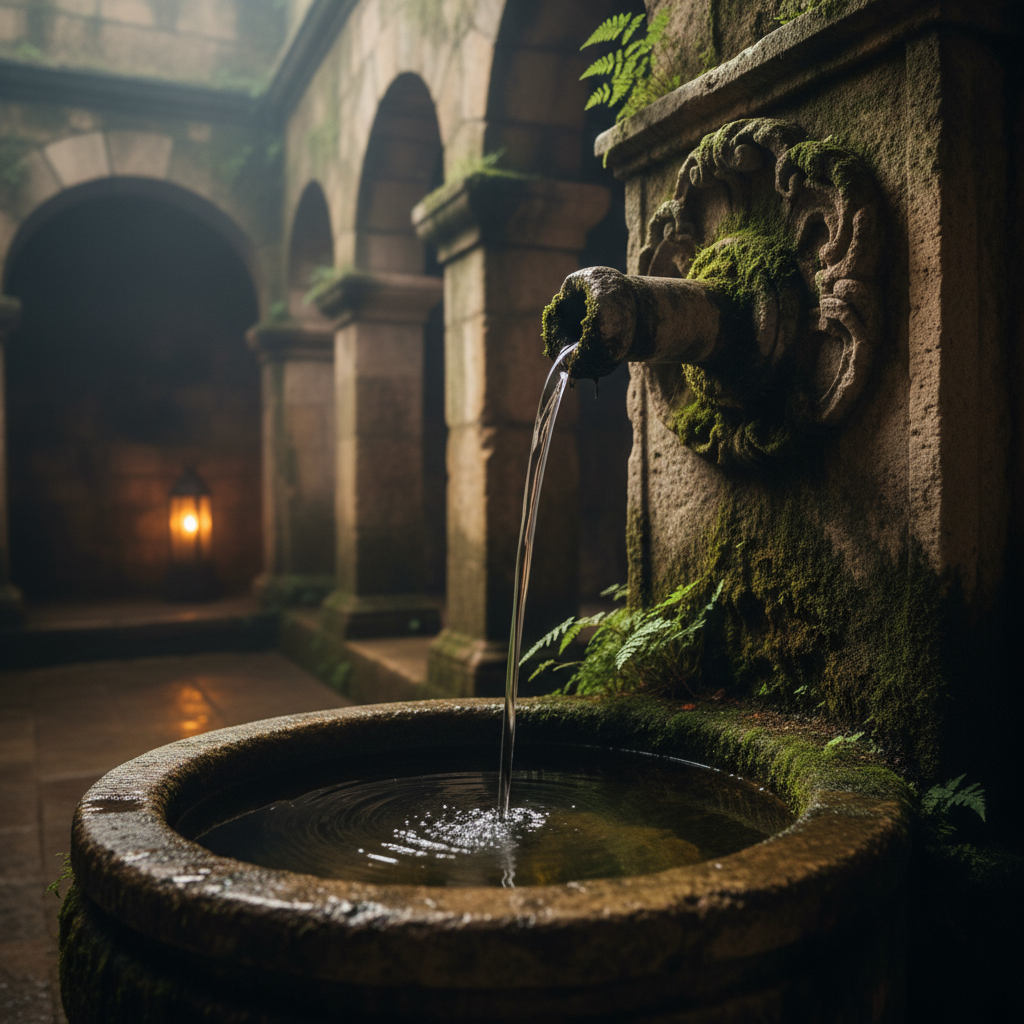
Explore the hidden history of Lisbon through its monumental 18th-century aqueducts and ornate Baroque fountains. This connoisseur’s guide reveals the city’s secret water architecture.
To understand the true soul of Lisbon, one must look below the surface of its cobblestone hills. While most visitors find themselves captivated by the golden light reflecting off the Tagus River or the intricate tiles of the Alfama district, there exists a hidden, watery narrative that once defined the life of the Portuguese capital. This is the story of the Águas Livres Aqueduct and the majestic Baroque fountains that served as the social and architectural heart of the city for centuries.
For the discerning traveler, exploring these monuments offers a unique perspective on the engineering prowess and aesthetic ambition of the 18th century. It is a journey through cool stone tunnels and grand plazas where water was once more precious than gold.
## The Monumental Águas Livres Aqueduct
Rising high above the Alcântara valley, the Águas Livres Aqueduct (Aqueduto das Águas Livres) is a masterpiece of hydraulic engineering. Built during the reign of King João V, the "Magnanimous," it was designed to solve Lisbon’s chronic water shortages. Construction began in 1731, and despite being tested by the devastating Great Earthquake of 1755, the structure stood remarkably firm.
The most iconic section features 35 pointed arches, including the tallest stone arch in the world at the time of its completion. Walking across the top of the aqueduct provides a sweeping view of the city, but the real mystery lies in how this water was distributed through a complex network of underground galleries.
### The Reservatório da Mãe d’Água das Amoreiras
The journey of the water culminates in the stunning Mãe d’Água (Mother of Water) Reservoir in Amoreiras. This space feels less like a utility building and more like a cathedral dedicated to the element of water. Finished in 1834, the interior is dominated by a deep, crystalline pool and high vaulted ceilings. The play of light on the water creates a serene, almost meditative atmosphere. Exploring this site offers a profound sense of the weight of history and the architectural elegance that the Portuguese monarchy demanded for even the most functional structures.
## The Secret World of the Underground Galleries
Beneath the bustling streets of Lisbon lies the Loreto Underground Gallery. This subterranean passage allowed for the maintenance of the water system and the distribution of water to several high-end fountains throughout the city.
Venturing into these tunnels is a rare experience. The air is cool, the stone is damp, and the silence is a stark contrast to the lively atmosphere of the Príncipe Real neighborhood above. For those who appreciate the technical intricacies of urban planning, walking through these hand-carved stone arteries reveals a side of Lisbon that remains invisible to the casual tourist.
## The Baroque Fountains: Social Hubs of an Empire
Once the water reached the city center, it was delivered to the public via a series of monumental fountains (chafarizes). During the 18th and 19th centuries, these were not merely decorative elements but vital social hubs where people gathered to collect water and exchange news.
### Chafariz da Esperança
Located in the Santos district, the Chafariz da Esperança is a prime example of late Baroque design. Its complex facade and ornate carvings reflect the wealth flowing into Lisbon from the colonies. Standing before it, one can imagine the vibrant bustle that once surrounded these stone basins, served by the very water that traveled miles through the Águas Livres Aqueduct.
### Chafariz do Mastro
In the Campo de Santana area, the Chafariz do Mastro stands as a testament to the neoclassical influence that followed the Baroque era. Its clean lines and imposing presence remind us that as Lisbon evolved, its obsession with monumental water architecture remained a constant.
## Mapping the Water Trail through Lisbon
A specialized route focusing on water history allows travelers to connect various neighborhoods in a logical, elegant sequence. Beginning in Amoreiras, moving through the elevated walkways of the Alcântara valley, and descending into the heart of the city, this path reveals how the availability of water dictated the expansion of the urban landscape.
The beauty of such an exploration is the blend of high-end architectural appreciation and historical context. It is an invitation to see the city as a living, breathing organism, where these stone veins once provided the lifeblood of the metropolis.
## Planning Your Private Discovery
When exploring the hidden aqueducts and fountains of Lisbon, a private approach is essential to navigate the city's hilly terrain and the varied locations of these monuments.
### When to Visit The underground galleries and the reservoir are particularly pleasant during the warmer months, as the thick stone walls provide a natural cooling effect. However, the views from the top of the aqueduct are most crisp during the clear, bright days of spring and autumn.
### Logistics and Comfort Lisbon’s geography is notoriously vertical. Visiting the various fountains scattered across districts like Santos, Belém, and Príncipe Real requires a sophisticated transportation plan. Utilizing a private vehicle allows you to move effortlessly between sites without the fatigue of navigating public transit or the steep inclines on foot. This ensures your energy is preserved for appreciating the intricate carvings and the historical narratives shared at each stop.
## A Legacy of Stone and Water
The Águas Livres system remained in use until the 1960s, a testament to the durability of 18th-century craftsmanship. Today, these sites stand as silent witnesses to Lisbon’s golden age. They remind us that the city’s heritage is not only found in its palaces and churches but also in the clever ways it managed its natural resources.
For those who seek more than just a superficial glance at the city, the aqueducts and fountains offer a profound connection to the past. It is a story of survival, artistry, and the relentless pursuit of progress.
## Exploring Lisbon with Portugal Magik
Navigating the nuances of Lisbon's history requires more than a map; it requires the expertise of those who understand the city’s rhythm. At Portugal Magik, we have spent 14 years perfecting the art of the private journey. Our fleet of premium Mercedes-Benz vehicles, driven by professional English-speaking drivers, provides the ideal environment for a connoisseur’s exploration of the capital.
Whether you wish to spend an afternoon admiring the arches of the Alcântara valley or traversing the city to find the most secluded Baroque fountains, our team is dedicated to providing a seamless, sophisticated experience. We offer the flexibility to linger at the sites that captivate you most, all while enjoying the comfort of a high-end travel experience tailored to your pace.
The veins of Lisbon are waiting to be discovered. Speak with our team and discover how to turn this experience into reality. Request your personalized proposal today.