The Stone Villages of the Borderlands: A Private Connoisseur’s Guide to the Medieval Majesty of Monsanto and Idanha-a-Velha
By Portugal Magik · Published 2026-07-03
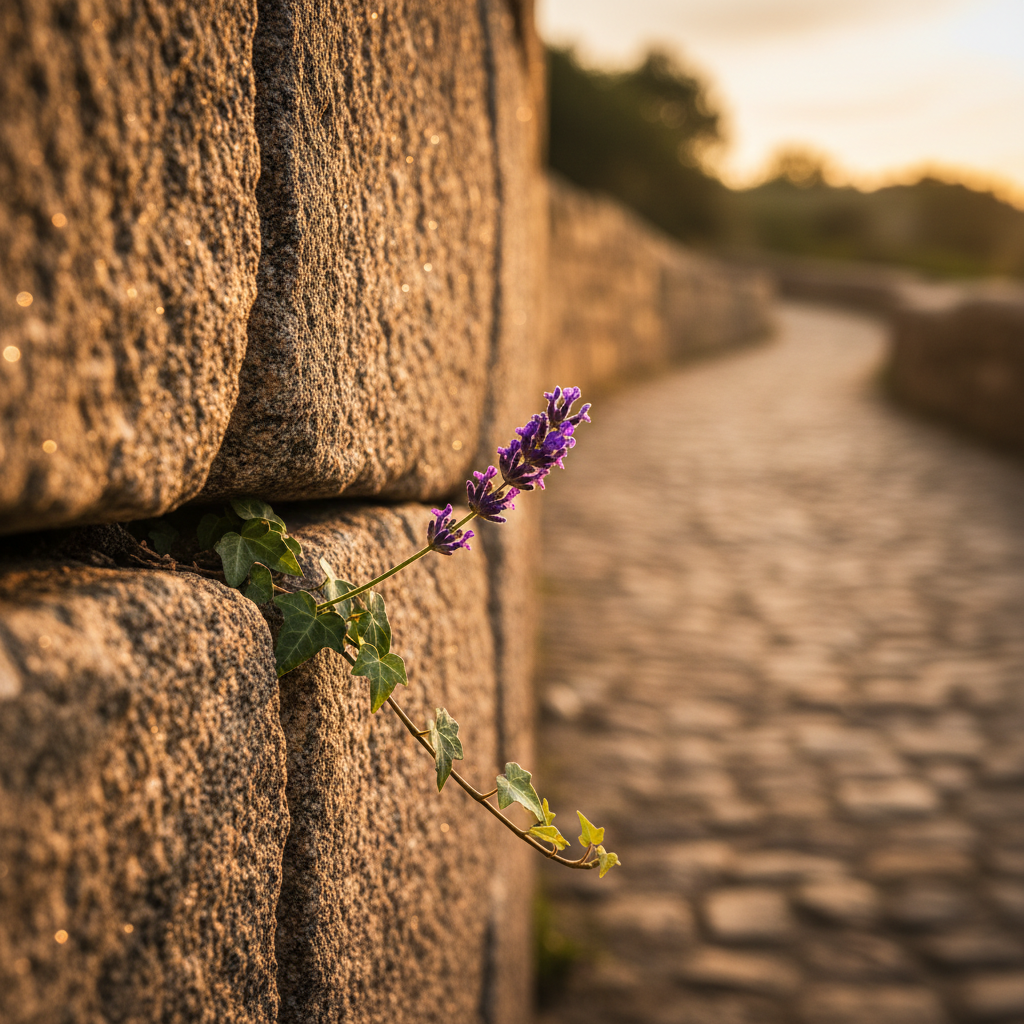
Discover the ancient secrets of Monsanto and Idanha-a-Velha, Portugal's most iconic stone villages. Experience a journey through Templar history and Roman ruins in the refined comfort of a private tour.
Beyond the sun-drenched coastlines and the bustling urban centers of Lisbon and Porto lies a landscape where time appears to have paused. In the high plains and rugged granite outcroppings of the Beira Baixa region, near the Spanish border, the history of Portugal is etched into the very stone of the earth. This is a territory defined by medieval fortresses, Roman ruins, and villages that seem more like natural geological formations than human settlements.
For the discerning traveler, the journey to Monsanto and Idanha-a-Velha is not merely a sightseeing excursion. It is a pilgrimage into the soul of the Iberian Peninsula. These are the Stone Villages of the Borderlands, where the heritage of the Knights Templar, the legacy of Visigothic kings, and the resilience of rural life converge in a display of architectural and natural harmony.
## Monsanto: The Village Where Houses Grow from Granite
Monsanto holds the prestigious title of the most Portuguese village in Portugal, a distinction bestowed upon it in 1938. However, its true appeal lies in its extraordinary verticality. Perched on a steep hill known as the Cabeço de Monsanto, the village is famous for its massive granite boulders, many of which serve as the roofs, walls, or foundations of the local residences.
### Living Between the Rocks Walking through the narrow, winding alleys of Monsanto is a surreal experience. The inhabitants over the centuries did not seek to move the gargantuan stones that littered the hillside; instead, they built around them. You will find tiny doorways tucked beneath rocks weighing hundreds of tons and chimneys sprouting from the sides of moss-covered boulders. This organic integration of nature and masonry creates a landscape that feels like something out of a medieval fantasy.
### The Templar Legacy and the Castle At the highest point of the village sit the ruins of the Monsanto Castle. This fortress was once a critical defensive post during the Reconquista and was granted to the Order of the Knights Templar in the 12th century. The climb to the citadel is demanding but rewarding, offering panoramic views that stretch across the border into Spain. Standing amidst the weathered stone walls, one feels the weight of centuries of strategic importance and the silent echoes of the knights who once stood guard here.
## Idanha-a-Velha: The Cathedral of the Plains
While Monsanto is defined by its height, the nearby village of Idanha-a-Velha is defined by its sheer antiquity. Low-lying and surrounded by olive groves, this village was once Egitânia, one of the most significant cities in the Roman province of Lusitania and later a powerful Visigothic bishopric.
### A Layered History Idanha-a-Velha is an open-air museum. The village is surprisingly quiet, with a very small permanent population, which only adds to its atmospheric charm. As you wander the streets, you will encounter evidence of multiple civilizations layered upon one another. Roman pedestals have been repurposed into medieval walls, and the local cathedral (Sé Catedral) displays a fascinating blend of architectural styles from the 4th to the 16th centuries.
The village is also home to a remarkable collection of Roman epigraphy, one of the largest in Europe. The dedication to preserving these relics ensures that even the most well-traveled historian will find something of interest in this secluded corner of the Beira region.
## The Cultural Tapestry of the Borderlands
The beauty of these borderland villages extends beyond their physical structures. The culture of this region is deeply rooted in folklore and tradition, born from a history of defending the frontier.
### The Legend of the Marafonas In Monsanto, visitors will likely notice small, faceless rag dolls known as Marafonas. These dolls are symbols of fertility and protection, traditionally placed under beds during wedding nights or carried during the Feast of the Divine Holy Cross (Festa da Divina Santa Cruz). This festival commemorates a legendary siege where the villagers, near starvation, threw a fat calf over the walls to trick their attackers into thinking they had plenty of food. The celebration is a vibrant display of the local spirit, featuring the characteristic adufe (a square drum of Moorish origin) and traditional singing.
### Gastronomy of the High Plains The culinary traditions of the Beira Baixa are as robust and honest as the granite hills. This is the land of high-quality olive oils, aged goat and sheep cheeses (including the famous Queijo de Castelo Branco), and game meats. Discerning travelers will find delight in the simple but exquisite flavors of a roasted lamb or a slow-cooked partridge, often enjoyed in small, family-run establishments where the focus is on the provenance of the ingredients.
## Navigating the Region with Grace and Ease
The borderlands are a remote destination, located approximately three hours from Lisbon. While the distance keeps the large crowds away, it also requires thoughtful planning to ensure a seamless experience.
### The Ideal Season The best times to visit Monsanto and Idanha-a-Velha are late spring and early autumn. During these months, the temperatures are mild, and the landscape is either in full bloom or transitioning into deep golden hues. The summer months can be quite hot, given the inland location, while winter brings a crisp, stark beauty that is equally compelling for those who prefer solitude.
### Accessibility and Comfort The terrain in Monsanto is uneven and steep, consisting mostly of ancient cobblestones. While the visual impact is peerless, the physical effort required to explore the village should be considered. Similarly, Idanha-a-Velha is best explored on foot to appreciate the intricate details of its ruins.
Traveling to this region is most effectively done via a private vehicle, as public transport options are limited and do not offer the flexibility required to explore the smaller hamlets and scenic overlooks at one's own pace.
## Exploring the Borderlands with Portugal Magik
An excursion to the Stone Villages is a highlight of any sophisticated itinerary through the Portuguese interior. At Portugal Magik, we have spent 14 years perfecting the art of the private journey. We understand that for our guests, the travel experience is as important as the destination.
Our fleet of premium Mercedes-Benz vehicles, including elegant E-Class sedans and spacious V-Class vans, ensures that the three-hour journey from the capital is spent in absolute comfort. Our professional English-speaking drivers are more than just chauffeurs; they are dedicated to discerning international travelers seeking premium experiences, offering insights into the history and culture of the regions through which you pass.
Because our tours are entirely private, the day belongs to you. You may choose to spend an extra hour photographing the boulders of Monsanto or linger over a tasting of local cheeses in a shaded square. We provide the logistics, the premium transport, and the expert guidance, allowing you to immerse yourself fully in the medieval majesty of the borderlands.
The silence of Idanha-a-Velha and the dramatic heights of Monsanto offer a perspective on Portugal that most visitors never see. It is a world of stone, story, and soul, waiting to be discovered by those who appreciate the finer details of history and the quiet elegance of the rural landscape.
Reach out to our team to discuss your interests and request a personalized proposal for your private journey into the heart of the Portuguese borderlands.