The Stone Sentinels of the Beira: A Private Connoisseur’s Guide to the Historical Villages and Templar Heritage of the Eastern Frontier
By Portugal Magik · Published 2026-09-02
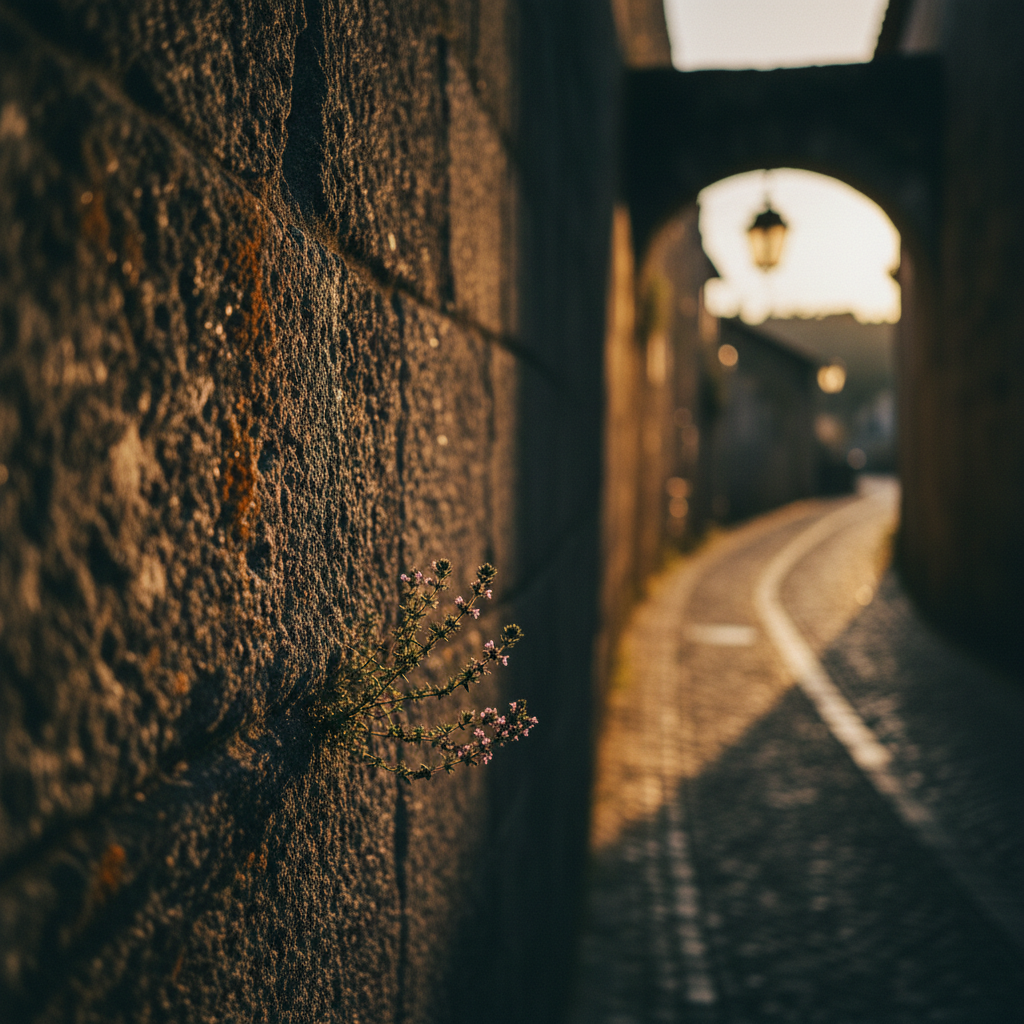
Explore the fortified historical villages and Templar heritage of Portugal's eastern frontier in a premium journey through granite peaks and medieval history.
Deep within the rugged interior of Portugal, where the granite peaks of the Serra da Estrela meet the vast plains of the eastern frontier, lies a collection of settlements frozen in time. These are the *Aldeias Históricas*, the Historical Villages, a network of fortified hamlets that once stood as the first line of defense against invading kingdoms. This is a landscape of high-altitude silence, ancient stone, and the enduring echoes of the Knights Templar.
For the discerning traveler, a journey through the Beira region is not merely a sightseeing excursion. It is an immersion into the very soul of the Portuguese nation. To explore these "Stone Sentinels" is to understand the resilience, faith, and strategic brilliance that defined the medieval era.
## The Strategic Grandeur of the Eastern Frontier
The eastern border of Portugal, particularly the Beira Interior, is characterized by its dramatic topography. Massive boulders of weathered granite punctuate the landscape, often serving as the foundations for the villages themselves. These settlements were not placed by chance. They were meticulously selected for their defensive advantages, providing panoramic views that stretch across the border into Spain.
Traveling through this region requires a certain pace, one that respects the winding mountain roads and the quietude of the surroundings. Using a premium vehicle with a professional driver allows for a seamless transition between these remote outposts, turning the logistical challenges of the terrain into a refined, comfortable voyage.
## Monsanto: The Most Portuguese Village of Portugal
Perhaps the most visually arresting of all the historical villages is Monsanto. Perched precariously on a steep hillside, the village is famous for its massive granite boulders, which the residents have integrated into their homes. Roofs are formed by giant slabs of stone, and walls are built around existing megaliths, creating a surreal and organic architectural harmony.
Walking the narrow, climbing alleys of Monsanto feels like navigating a labyrinth designed by nature and perfected by man. At the very summit stands the ruins of the castle, a fortress that survived numerous sieges. From this vantage point, the silence is profound, broken only by the wind moving through the crags. It is a place that invites contemplation, far removed from the bustle of modern life.
## The Templar Legacy and the Fortress of Sortelha
The history of the Beira is inextricably linked to the Knights Templar and their successors, the Order of Christ. These warrior monks were granted vast territories in exchange for their role in the Reconquista and the defense of the young Portuguese kingdom.
### Sortelha: A Medieval Time Capsule Sortelha remains one of the most impeccably preserved medieval villages in Europe. Entering its ring of Gothic walls is akin to stepping back into the 13th century. The granite houses, the Manueline pillory, and the formidable castle maintain a sense of solemnity. The village layout has remained virtually unchanged for centuries, offering a pure architectural record of the past.
### The Mysteries of the Order Throughout the region, one can find subtle carvings and symbols etched into stone doorframes and lintels, remnants of the esoteric traditions of the Templars. In nearby Castelo Branco, the Jardins do Paço Episcopal (Episcopal Palace Gardens) showcase intricate statuary that hints at the deep theological and philosophical influence these orders held over the land.
## Almeida and the Art of Vauban Fortification
Further north along the frontier, the architecture shifts from medieval stone to the sophisticated engineering of the 17th and 18th centuries. Almeida is a masterpiece of military design, a "star fort" surrounded by massive hexagonal walls and a dry moat.
Seen from above, the village is perfectly symmetrical, a testament to the influence of the French military engineer Vauban. Walking through the monumental gates, guests can explore the underground bombproof magazines and the narrow streets that once housed a permanent garrison. It serves as a stark reminder of the centuries during which Portugal had to maintain a constant state of vigilance against its neighbors.
## Belmonte: A Tale of Faith and Resilience
Belmonte offers a different narrative, one defined by the endurance of the human spirit. This village was the birthplace of Pedro Álvares Cabral, the navigator who discovered Brazil, but it is equally famous for its Jewish heritage.
For over four hundred years, a community of "Crypto-Jews" lived in Belmonte, practicing their faith in absolute secrecy to escape the Inquisition. They maintained their traditions behind closed doors until they finally felt safe to emerge in the late 20th century. Today, the village is a center for Jewish culture in Portugal, featuring a beautifully appointed synagogue and a museum dedicated to this remarkable history of survival.
## Refined Gastronomy and the Wines of the Beira
A journey through the stone villages is also a culinary exploration. The Beira region is known for its robust and sophisticated flavors, born from the land. The high altitudes and schist soils of the Beira Interior DOC produce elegant, structured wines that are increasingly recognized by international connoisseurs.
* **Queijo da Serra:** The famous buttery sheep's milk cheese from the Estrela mountains is a staple of the region. * **Wild Game and Lamb:** The local cuisine often features slow-roasted meats seasoned with wild herbs like rosemary and thyme. * **Honey and Olive Oil:** The microclimates of the river valleys produce some of the most aromatic olive oils and mountain honeys in the country.
While the region is rural, there are numerous high-end pousadas (historical hotels) and boutique estates where travelers can enjoy these local delicacies in refined settings, often housed within converted convents or manor houses.
## Practical Considerations for the Discerning Traveler
The Historical Villages are spread across a wide area with limited public transportation, making a private vehicle and a professional driver essential for a sophisticated experience.
* **Best Time to Visit:** Spring (April to June) offers lush green landscapes and wild flowers, while Autumn (September to November) provides crisp air and the golden hues of the harvest. Winter can be dramatically beautiful but brings the possibility of snow in the higher elevations. * **Pacing the Journey:** Attempting to see all twelve historical villages in a single trip can be taxing. It is often better to select three or four key locations, such as Monsanto, Sortelha, and Belmonte, to allow for a deeper, more relaxed exploration. * **Attire:** Even in summer, the evenings in the Beira can be cool. Comfortable, high-quality walking shoes are a necessity for the uneven granite cobblestones.
## Exploring with Portugal Magik
Navigating the hidden corners of the Beira requires more than just a map; it requires an appreciation for the historical context and the nuances of the landscape. Portugal Magik provides a premium alternative to standard tours, focusing on the comfort and privacy of our guests.
Our fleet of Mercedes-Benz vehicles ensures that the long drives between the frontier outposts are spent in a climate-controlled, refined environment. With an English-speaking driver who understands the pace of a connoisseur's journey, you are free to focus entirely on the beauty and history unfolding outside your window. There is no need to worry about mountain navigation or parking in narrow medieval squares; our team handles every logistical detail, providing door-to-door service from your hotel in Lisbon, Porto, or the Douro Valley.
The Stone Sentinels of the Beira are waiting to share their secrets with those who take the time to listen. It is a journey for the soul, a return to an older, more stoic version of Portugal that remains remarkably intact.
Speak with our team and discover how to turn this experience into reality. Request your personalized proposal today.