The Stone Lace of the Age of Discovery: A Connoisseur’s Guide to Portugal’s Manueline Masterpieces
By Portugal Magik · Published 2026-04-02
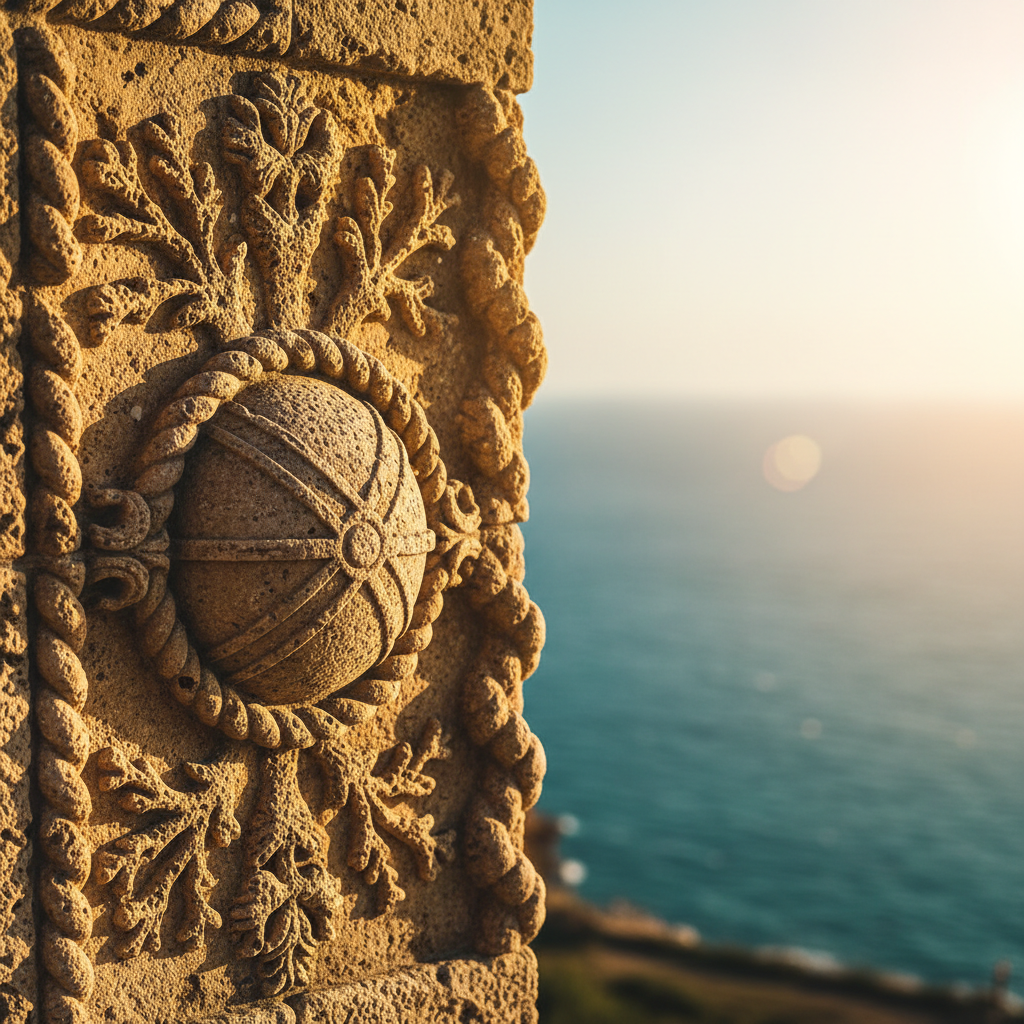
Discover the Manueline style, Portugal's unique 16th-century architectural masterpiece, from the gold-drenched halls of Jerónimos to the intricate Chapter House Window in Tomar.
To understand the essence of the Portuguese soul, one must look toward the sea. Yet, to understand the artistic zenith of a nation that once held half the world within its grasp, one must look at the stone. In the late 15th and early 16th centuries, during the height of the Age of Discovery, Portugal birthed an architectural language so distinct and intricate that it remains unparalleled in the history of art: the Manueline style.
Often described as "stone lace," Manueline architecture is a flamboyant, late-Gothic expression infused with the maritime fervor of the era. It is a visual celebration of the voyages of Vasco da Gama and Pedro Álvares Cabral, translating the wonders of the New World into the enduring medium of limestone. For the discerning traveler, exploring these masterpieces is not merely a sightseeing excursion but a pilgrimage into the heart of an empire.
## The Genesis of a National Icon
Named for King Manuel I, whose reign (1495, 1521) coincided with Portugal’s most significant maritime expansions, the Manueline style is fundamentally Portuguese. While it shares roots with the Isabelline style of Spain and the flamboyant Gothic of France, it stands alone in its thematic brilliance.
This was an era when the wealth of the spice trade flowed into the Tagus River, financing grand monuments that were intended to showcase the kingdom's divine favor. Architects like Diogo de Boitaca and the Arruda brothers moved away from the austerity of earlier periods, embracing a decorative exuberance that mirrored the exoticism of the lands being mapped by Portuguese navigators.
## Elements of the Manueline Lexicon
To appreciate these structures, one must learn to read the stone. The repertoire of Manueline motifs is a sophisticated blend of naturalism and symbolism:
* **Maritime Iconography:** Twisted cables and anchor chains are carved into columns and friezes, reflecting the tools of the mariner. * **The Armillary Sphere:** The personal emblem of King Manuel I, representing the celestial sphere and the global reach of the Portuguese empire. * **Botanical Wonders:** Artichokes (representing the sustenance of sailors), poppies, and oak leaves are interwoven with seaweed and coral, celebrating the flora found across the oceans. * **The Cross of the Order of Christ:** A symbol of the military-religious order that funded many voyages, cementing the link between faith and conquest.
## High-End Destinations for the Manueline Aficionado
### The Jerónimos Monastery, Lisbon Standing as the ultimate testament to the Manueline spirit, the Jerónimos Monastery (Mosteiro dos Jerónimos) in Belém was funded by the "pepper tax" on trade from Africa and the Orient. Entering the southern portal is an immersive experience in theological and imperial grandeur. The cloisters, in particular, are a masterpiece of two-story stone embroidery, where no two columns are identical. The play of light across the honey-colored limestone creates a transformative atmosphere that is best experienced in the quiet of the early morning.
### The Belém Tower A short distance from the monastery, the Tower of Belém served both as a ceremonial gateway to Lisbon and a defensive bastion. Its exterior is adorned with delicate balconies, Moorish-style watchtowers, and the first architectural depiction of a rhinoceros in Europe, a gift from an Indian sultan to the King. It remains the most iconic silhouette of the Portuguese coast.
### The Convent of Christ, Tomar For those seeking a deeper connection to the enigmatic history of the Knights Templar and their successors, the Order of Christ, a journey to Tomar is essential. The Convent’s Chapter House Window (Janela do Capítulo) is perhaps the most famous single piece of Manueline carving in the country. It is a riotous composition of coral, ropes, and royal symbols, seemingly held up by the roots of a great tree. It is a piece of art that demands slow contemplation, away from the typical tourist pace.
### The Batalha Monastery While Batalha is primarily a Gothic masterpiece, its Unfinished Chapels (Capelas Imperfeitas) offer a sublime transition into the Manueline. The massive octagonal structure remains open to the sky, featuring a portal carved with such incredible detail that it appears as if the stone has been transformed into delicate filigree.
## Curating Your Manueline Journey
Navigating these historic sites requires a refined approach to ensure the experience remains intimate and enlightening. The most significant monuments are often subject to high demand, making the guidance of a professional essential for a seamless visit.
### Best Times to Visit The softer light of spring (April to June) and autumn (September to October) perfectly complements the warm hues of the limestone. To avoid the crowds and fully appreciate the serenity of these sacred spaces, we recommend visiting during the first morning hours or late in the afternoon.
### Private Access and Transportation The distance between Lisbon, Tomar, and Batalha can be considerable. To maintain a sophisticated pace, many discerning travelers prefer the comfort of a chauffeured experience. This allows for a deep dive into the history of each site without the logistical stresses of navigating rural roads or coordinating schedules.
## Why Experience Manueline Art with Portugal Magik?
At Portugal Magik, we have spent 14 years perfecting the art of the private tour. We understand that our guests are not looking for a checklist of sights, but for a meaningful connection to the history and soul of Portugal.
Our fleet, consisting of high-end Mercedes-Benz E-Class and V-Class vehicles, as well as the spacious Sprinter, provides an sanctuary of comfort between stops. Our drivers are more than just chauffeurs; they are professional, English-speaking guides who are dedicated to discerning international travelers seeking premium experiences. They possess the local knowledge to steer you toward hidden gems and the most authentic culinary experiences that complement your cultural journey.
Whether you wish to spend an entire day lost in the details of the Jerónimos Monastery or embark on a multi-day heritage trail through the heart of the country, your itinerary is custom-crafted to your interests and pace.
## Conclusion
The Manueline style is more than just an architectural period; it is the physical manifestation of a dream, a dream of a nation that looked at the horizon and saw no limits. Each carved rope and armillary sphere serves as a reminder of the courage and curiosity that defined the 15th-century world.
To see these works in person is to witness the moment when the medieval world met the modern age. It is an experience that deserves to be handled with care, elegance, and expert insight.
Speak with our team and discover how to turn this experience into reality.