The Steel and the Salt: A Private Connoisseur’s Guide to the Industrial Heritage and Modernist Architecture of the Northern Shoreline
By Portugal Magik · Published 2026-07-22
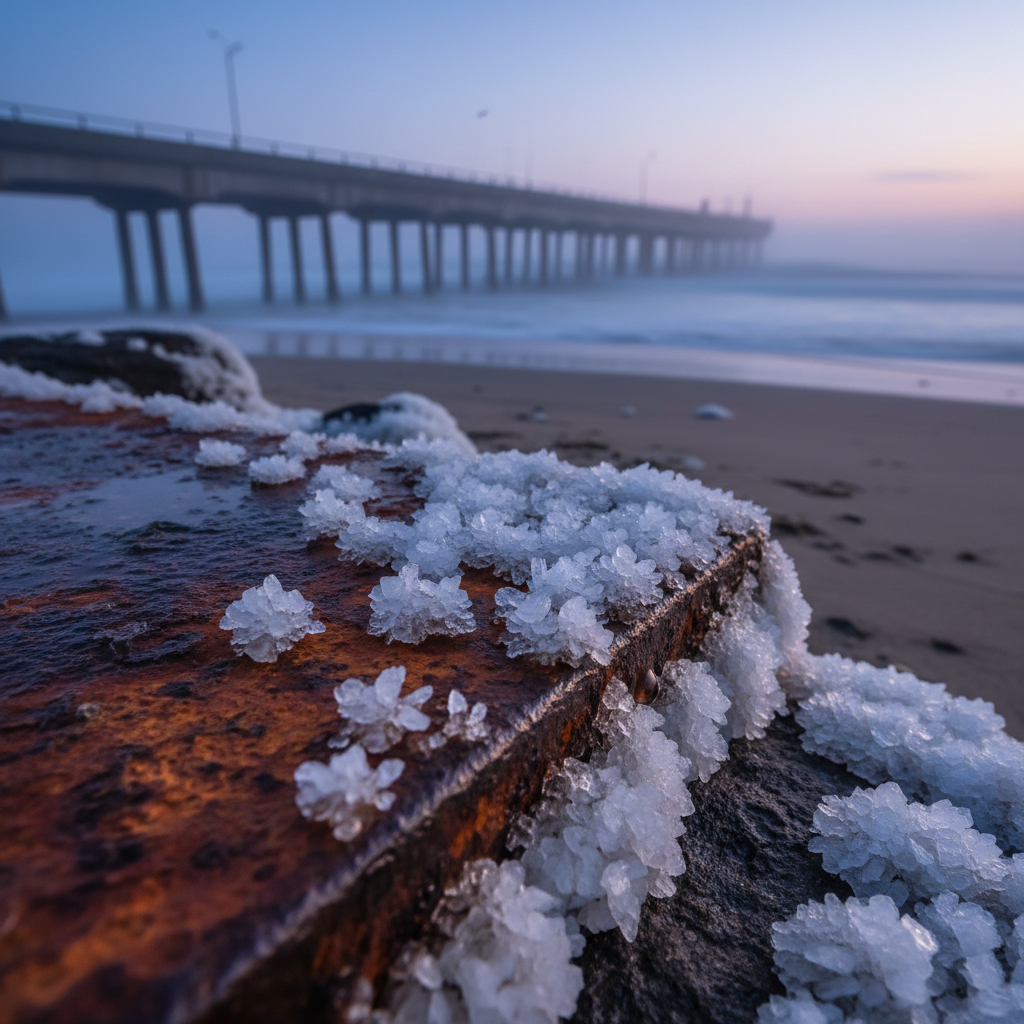
Explore the intersection of raw industrial heritage and sophisticated modernist architecture along Northern Portugal's dramatic coastline, from Siza Vieira's masterpieces to the salt pans of Aveiro.
Along the rugged, salt-sprayed coastline of Northern Portugal, a different kind of beauty unfolds. While the typical traveler seeks out the Baroque gold of Porto or the medieval charm of Guimarães, the discerning observer finds intrigue in the skeletal beauty of industrial heritage and the clean, uncompromising lines of modernist architecture. This journey explores the intersection of raw industry and high-end design, tracing a path where the Atlantic meets the steel of the 20th century.
The northern shoreline is a testament to Portugal’s evolution. It is a landscape defined by the traditional salt trade, the heavy industry of the Mid-Century period, and the revolutionary vision of the Porto School of Architecture. For those who appreciate the narrative of progress and the elegance of functional design, this coastal stretch offers a sophisticated alternative to the traditional tourist circuit.
## The Architectural Vanguard: Matosinhos and the Porto School
The story of modernism in Northern Portugal is inextricably linked to the Porto School of Architecture, an institution that redefined how buildings interact with their natural surroundings. At the heart of this movement is Álvaro Siza Vieira, a Pritzker Prize winner whose work is characterized by a silent, powerful grace.
In Matosinhos, the industrial soul of the region meets the sea. Here, one discovers the Leça Swimming Pools. Completed in 1966, this project is a masterclass in organic modernism. Siza utilized the existing rock formations and the relentless surge of the Atlantic to create a space that feels both man-made and elemental. The concrete walls mirror the horizon, and the salty mist of the ocean serves as a constant, atmospheric companion.
Just a short distance away, the Boa Nova Tea House clings to the cliffs. This early masterpiece by Siza was built on the site where the land ends and the sea begins. The structure is tucked away from the wind, its low profile and terracotta roof tiles paying homage to tradition while the interior remains a sanctuary of mid-century minimalism. Large windows frame the crashing waves like living paintings, a perfect spot for those seeking quiet reflection amidst high-end architectural history.
## The Port of Leixões: Steel and Scale
Adjacent to these architectural gems lies the Port of Leixões, one of Portugal’s most significant maritime hubs. For the connoisseur of industrial heritage, the port is a theater of scale and engineering. The towering cranes and the rhythm of the shipping containers provide a stark, beautiful contrast to the fluidity of the ocean.
A standout modern addition to this landscape is the Porto Cruise Terminal. Designed by Luís Pedro Silva, the building resembles a swirling white ribbon of ceramic tiles. Its unconventional shape and the way it reflects the silver light of the Atlantic make it a beacon of contemporary design. It serves as a bridge between the heavy industrial duty of the port and the sophisticated future of the northern coast.
## The Salt and the Sun: Aveiro’s Industrial Algae and Salt Pans
Traveling further south along the shoreline, the scenery shifts toward the delicate relationship between water and land. Aveiro, often celebrated for its canals, holds a deeper history within its salt pans (salinas). This is a landscape formed by geometry and evaporation.
The salt industry in Aveiro dates back centuries, but the way it shaped the local architecture and social fabric is of particular interest to the modern traveler. The white pyramids of salt, drying under the Iberian sun, create a minimalist landscape that has inspired artists and architects alike.
In the nearby town of Ílhavo, the Maritime Museum stands as a testament to the region’s connection to the sea. The building itself, an award-winning piece of contemporary architecture by ARX Portugal, uses light and space to tell the story of the cod fishing industry. Its sleek, metallic skin reflects the changing moods of the coastal weather, housing the history of the brave men who sailed to the North Atlantic.
## Industrial Echoes: The Canned Fish Legacy
The northern coast was once the beating heart of the global canning industry. In Matosinhos and Vila do Conde, the remains of this era are still visible, though many have been repurposed into cultural spaces or boutique residences.
Visiting a working cannery, such as Conservas Pinhais, offers a rare look at traditional craftsmanship that has remained unchanged for over a century. While the facade may be modest, the interior represents a meticulous choreography of human skill and vintage machinery. This is where the salt of the sea is preserved in steel tins, a culinary heritage that has become a symbol of Portuguese identity. The preservation of these industrial sites is crucial to understanding the social and economic evolution of the north.
## Modernism in the Vines: Architecture Meets Viticulture
While the coast is the primary focus of this journey, the influence of modernism extends slightly inland toward the Minho region. Several wine estates have commissioned world-class architects to design their production facilities, blending the industrial requirements of winemaking with high-end aesthetic values.
For example, the Quinta da Aveleda, though historical in part, features contemporary interventions that respect the surrounding forest and vineyards. The clean lines of modern granite and glass structures provide an elegant contrast to the lush, green landscape of the Vinho Verde region. This is where the industrial process of fermentation and bottling meets the refined world of fine wine.
## Planning Your Private Coastal Exploration
Navigating the industrial and modernist landmarks of the Northern Shoreline requires a nuanced approach. Many of these sites are tucked away in quiet corners of coastal towns or require an understanding of the local geography to truly appreciate.
### The Ideal Season The northern coast is at its most dramatic during the shoulder seasons. In spring and autumn, the light is soft and golden, ideal for photographing the stark lines of modernist buildings. The winter months bring a powerful, moody atmosphere to the industrial ports, though some outdoor architectural sites are best enjoyed when the weather is clear.
### Logistics and Comfort The terrain along the shore can be rugged, and the distance between the architectural highlights of Matosinhos and the salt pans of Aveiro is best covered in the comfort of a dedicated vehicle. Public transport can be restrictive when trying to reach specific industrial sites or remote architectural masterpieces. A private driver ensures that you can move seamlessly between locations, allowing for spontaneous photo opportunities and the ability to adjust the pace of the day to your personal interests.
## The Convergence of Past and Future
The Northern Shoreline of Portugal is a place where gravity and grace coexist. The heavy steel of the ports and the delicate crystals of the salt pans are tethered together by a shared history of labor and innovation. When viewed through the lens of modern architecture, these industrial elements are elevated into something monumental.
To walk through a Siza building or to stand before the vast basins of the Leixões port is to witness the quiet confidence of a nation that respects its heritage while looking toward the horizon. This is a journey for those who find beauty in the functional, the structural, and the authentic.
Portugal Magik has spent 14 years curating experiences for discerning international travelers who seek to go beyond the surface. With our dedicated fleet of Mercedes-Benz vehicles, including the elegant E-Class and the spacious V-Class, we provide a sophisticated environment for your coastal exploration. Our professional English-speaking drivers offer the knowledge and flexibility required to navigate this unique landscape, ensuring your journey is as refined as the architecture you have come to admire.
Speak with our team and discover how to turn this experience into reality.