Six Senses Comporta: Design and Architecture, What to Expect
By Portugal Magik · Published 2026-06-01
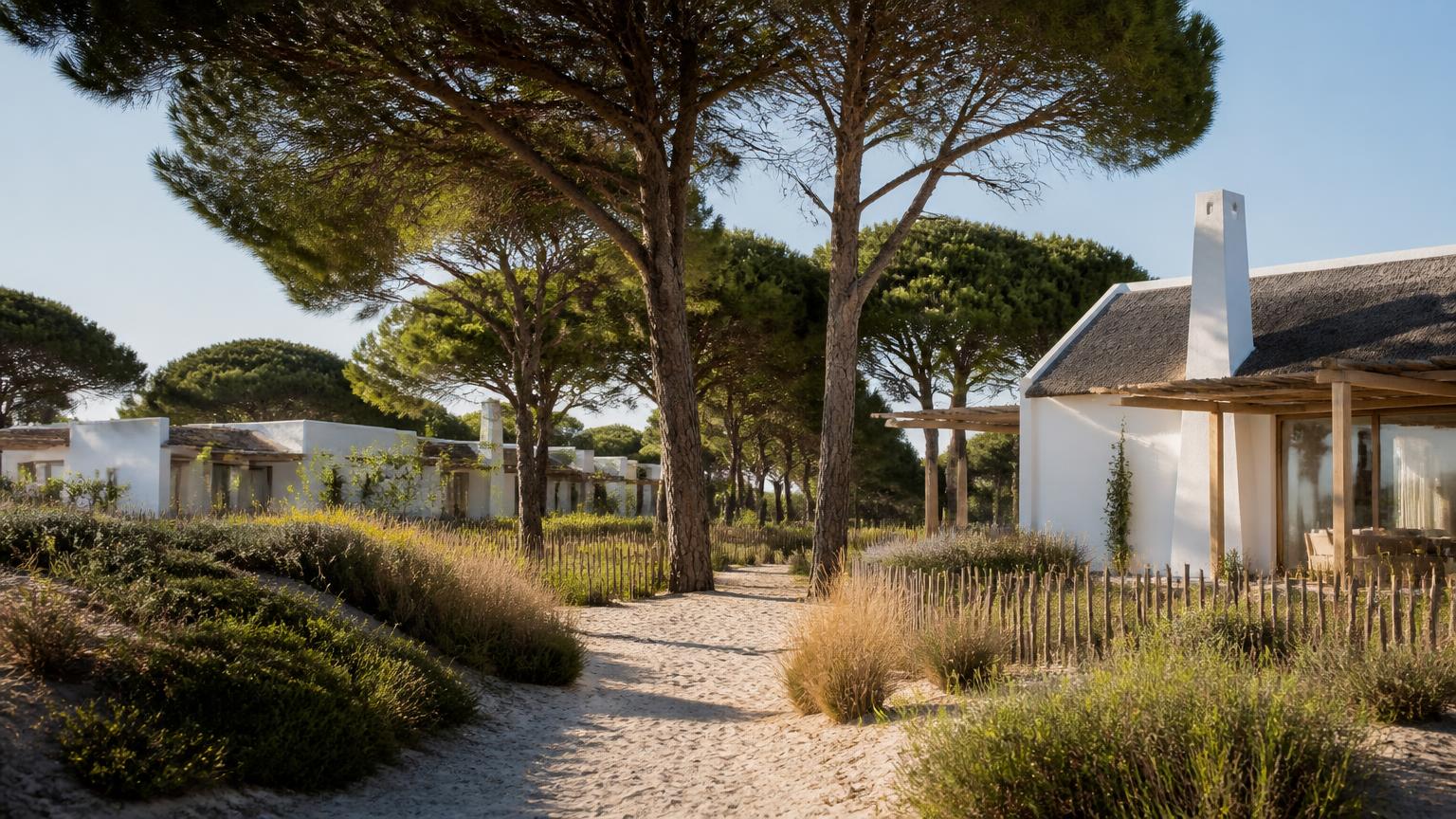
A deep look at the architectural vision for Six Senses Comporta, focusing on sustainable design, thatched cabanas, and integration with the Alentejo landscape.
The Comporta coast has long been a sanctuary for those seeking a quiet connection with nature. Known for its vast pine forests and rice paddies, this region of the Alentejo is often described as the Hamptons of Portugal, yet it maintains a far more grounded and raw aesthetic. The news that Six Senses will open a property here in 2028 has generated significant interest among travelers who value thoughtful design and environmental stewardship.
While the project is currently in the development phase as part of the Comporta Dunes masterplan, the architectural vision is already clear. The resort is expected to blend the high standards of the Six Senses brand with the humble, vernacular traditions of the Alentejo. This means a focus on low-impact structures that honor the heritage of local fishing and farming villages.
The development is led by Vanguard Properties, a group known for emphasizing space and privacy. For travelers planning future visits from Lisbon, the arrival of this brand represents a significant evolution for the region. It promises an elevated experience that remains deeply rooted in the sandy soil and salty air of the Atlantic coast.
## The Vernacular of the Comporta Cabana
The architectural identity of Comporta is defined by the "cabana," a simple hut traditionally used by local fishermen and rice farmers. These structures are characterized by thatched roofs, timber frames, and white-washed walls. Based on early project outlines and the brand's history, Six Senses Comporta is expected to utilize these forms to create a sense of place.
The use of thatch is not merely decorative. It provides natural insulation and allows the buildings to breathe in the summer heat. By adopting this silhouette, the resort avoids the imposing presence of traditional hotel blocks. Instead, guest accommodations will likely feel like a collection of small dwellings scattered throughout the landscape.
We expect to see the classic blue trim often found on Alentejo houses. This specific shade of blue was historically used to ward off insects and has since become a signature design element of the region. The architects will likely interpret this tradition in a contemporary way, using it to accent limestone floors or hand-troweled plaster walls.
Interiors are anticipated to feature high ceilings with exposed wooden beams. This vertical space creates a sense of airy freedom, a hallmark of the Comporta lifestyle. The goal is to make the guest feel they are living in a refined version of a traditional Portuguese home rather than a standard commercial property.
## Integration with Pine Forests and Dunes
The location for Six Senses Comporta is near the villages of Muda and Melides, an area characterized by umbrella pines and undulating sand dunes. One of the central pillars of the design is the integration of the built environment into this delicate ecosystem. The project aims to be low-rise, ensuring that no building towers over the treetops.
Biophilic principles, which focus on the human connection to nature, are expected to lead the design process. This often involves using organic shapes and materials that mimic the surrounding environment. In Comporta, this means buildings that follow the natural contours of the land rather than leveling it.
The resort is anticipated to include private villas and residences alongside the main hotel suites. These structures will likely be spaced far apart to preserve the quietude of the forest. Large glass expanses are expected to be a key feature, allowing the forest to serve as a living wallpaper for the rooms.
Landscaping will play a crucial role in hiding the infrastructure of the resort. By using native plants like rosemary, lavender, and dune grasses, the transition between the manicured resort grounds and the wild Alentejo landscape will be seamless. This approach ensures that the local wildlife and the natural drainage patterns of the dunes remain largely undisturbed.
## The Rice-Field Palette and Materiality
The color palette of Comporta changes with the seasons, from the vibrant green of young rice shoots to the golden hues of harvest time. The design of Six Senses Comporta is expected to draw heavily from these natural tones. Expect a range of ochres, muddy greens, and sandy beiges that reflect the Alentejo light.
Texture is as important as color in this region. The materials used in construction and decor will likely be tactile and raw. We can expect to see a significant amount of the following:
* Local limestone used for cool, matte flooring. * Reclaimed wood for wall cladding and furniture. * Hand-woven wicker and cork elements produced by local artisans. * Terracotta tiling that references the traditional pottery of central Alentejo. * Natural linen fabrics for windows and bedding to encourage airflow.
The use of cork is particularly relevant, as Portugal is the world leader in cork production. Many Six Senses properties use local materials to ground the guest experience in the specific geography of northern or southern Portugal. Cork is an excellent sustainable material for flooring or wall insulation, offering both acoustic benefits and a warm aesthetic.
By avoiding polished surfaces and synthetic materials, the design maintains a "barefoot" feel. Every surface should feel good against the skin, encouraging guests to slow down and connect with their surroundings. This thoughtful materiality is what elevates a simple cabin into a premium retreat.
## Indoor-Outdoor Living Systems
In the Alentejo, life happens outdoors for much of the year. The architecture of the new resort is expected to reflect this through expansive terraces, outdoor showers, and shaded courtyards. The boundary between the interior living space and the exterior deck is often blurred in modern Comporta design.
Sliding glass doors that disappear into the walls are a common feature in this type of considered architecture. This allows the scent of the pine trees and the sound of the ocean to permeate the living areas. It also reduces the need for constant air conditioning, as natural cross-breezes can cool the rooms during the evening.
Courtyards are another traditional Mediterranean and Portuguese element that we expect to see. These private, walled gardens provide a sanctuary from the occasional Atlantic winds while letting in the sun. They are ideal spaces for meditation or quiet reading, tucked away from the communal areas of the resort.
The lighting design will also consider the outdoor experience. To protect the dark skies of the Alentejo, exterior lighting is likely to be low-level and warm. This minimizes light pollution, allowing guests to enjoy the star-filled nights that the region is famous for. It is a subtle but essential part of creating a sense of isolation and peace.
## Sustainability and Environmental Stewardship
Six Senses is global leader in sustainable tourism, and the Comporta project will be no exception. The architecture must comply with strict environmental regulations aimed at protecting the coast. This includes advanced water management systems, which are vital in a region that faces dry summers.
The resort is expected to utilize solar energy as part of its commitment to renewable power. This is often integrated into the design through hidden panels or off-site arrays that do not detract from the visual beauty of the thatched roofs. The goal is to create a property that is as self-sufficient as possible.
Waste reduction is another area where the design will be evident. For example, the property likely will not use plastic bottles, favoring on-site glass bottling plants. The kitchen gardens, common in Six Senses properties, will be integrated into the landscaping, providing "earth-to-table" produce for the restaurants.
The choice of construction companies and builders also reflects this commitment. By working with firms like Vanguard Properties, the brand ensures that the structural integrity of the dunes is respected. The use of pile foundations, which lift the buildings slightly off the ground, may be employed to allow the sand and local flora to continue their natural movement beneath the structures.
## The Future of Melides and Muda
The expansion of premium tourism into Melides and Muda marks a change for these sleepy inland areas. While Comporta village has been the center of gravity for years, the focus is shifting south. The design of Six Senses Comporta will likely set a new benchmark for how large-scale projects can exist without destroying the local charm.
This area is known for its rolling hills and "montado" oak forests. The architecture here tends to be slightly more rugged than the beach-front properties. The Six Senses design will need to bridge the gap between the coastal dunes and the more agricultural interior, creating a versatile aesthetic that feels right in both settings.
For travelers, this means more opportunities to explore the hidden side of the Alentejo. Beyond the beaches, there are lagoons, hills, and historic towns. The resort will serve as a base for these explorations, providing a refined environment to return to after a day of discovery.
The 2028 opening date allows for a careful, phased construction process. This patience is a good sign for the quality of the final product. It suggests that the developer and the brand are prioritizing long-term integration over a quick market entry, which is the only way to succeed in a place as special as Comporta.
## Plan Your Trip
Visiting the Comporta region requires careful planning, as the best locations are often spread out among the pine forests. Portugal Magik provides premium private transfers from Lisbon to Comporta, ensuring a comfortable and stress-free journey to the coast. Our professional drivers can also lead you on curated day tours to discover the hidden gems of the Alentejo, from local potteries to secret beaches.
## Continue Reading on Six Senses Comporta
- [Sustainability at Six Senses Comporta: What the Brand Brings](/article/sustainability-at-six-senses-comporta-what-the-brand-brings) - [Comporta and Melides: The Region Six Senses Chose](/article/comporta-and-melides-the-region-six-senses-chose) - [How to Get from Lisbon Airport to Six Senses Comporta](/article/how-to-get-from-lisbon-airport-to-six-senses-comporta) - [Things to Do Around Six Senses Comporta on the Alentejo Coast](/article/things-to-do-around-six-senses-comporta-in-the-alentejo-coast) - [Wellness and Spa at Six Senses Comporta: What to Anticipate](/article/wellness-and-spa-at-six-senses-comporta-what-to-anticipate) - [Wine and Gastronomy Near Six Senses Comporta](/article/wine-and-gastronomy-near-six-senses-comporta)
Need a private transfer from Lisbon Airport to Comporta? Portugal Magik runs Mercedes-Benz private drives in around 90 minutes, with door-to-door service tailored to your flight.
<!-- six-senses-comporta-internal-links-v1 -->