The Silk and the Stone: A Private Connoisseur’s Guide to the Royal Tapestries and Noble Manors of Portalegre
By Portugal Magik · Published 2026-05-07
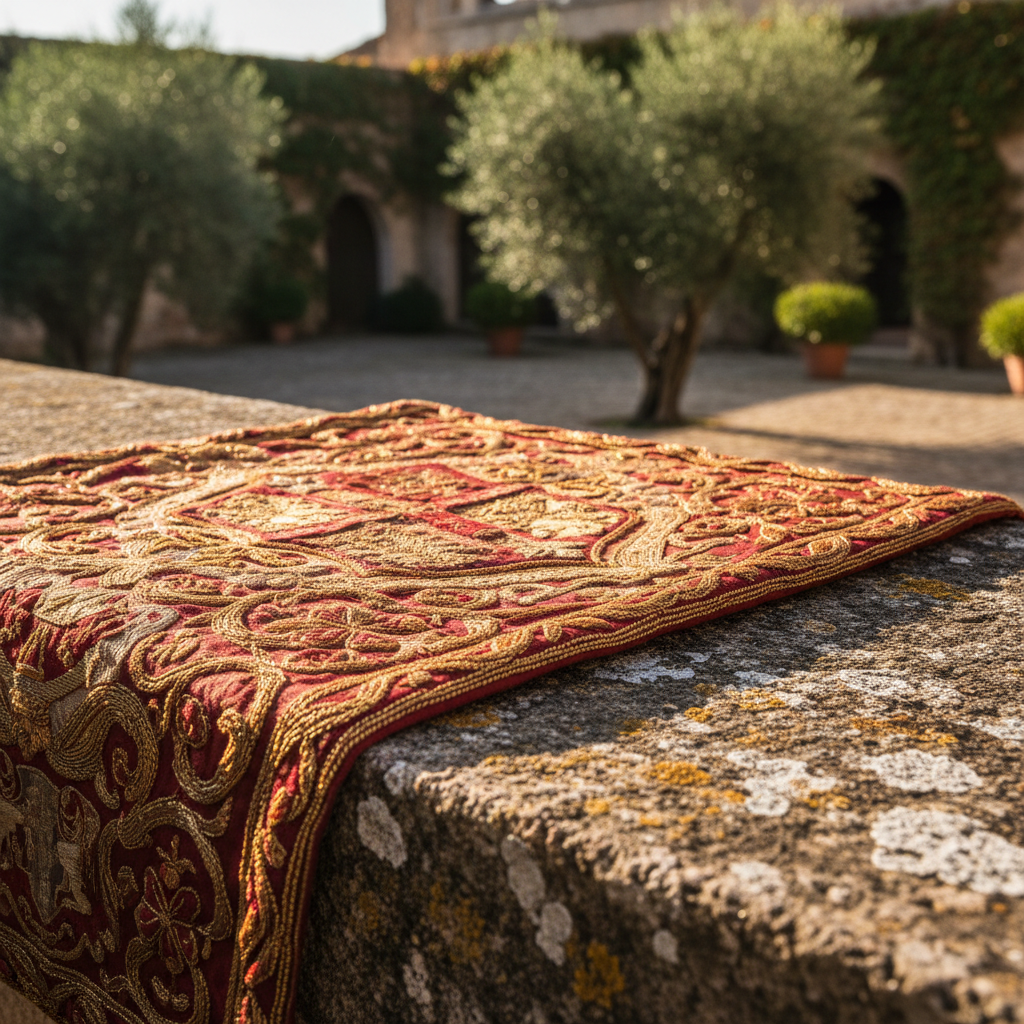
Explore the intersection of textile artistry and noble heritage in Portalegre, Alentejo. Discover the world-renowned tapestry museum and the granite palaces of this elegant Portuguese city.
As one journeys toward the eastern frontier of Portugal, the landscape begins to shift from the rolling golden plains of the Alentejo into the dramatic, granite-strewn ridges of the Serra de São Mamede. It is here that one finds Portalegre, a city where the rough, enduring stone of northern Alentejo meets the delicate, refined artistry of the world-renowned local tapestries. For the discerning traveler, Portalegre represents an invitation to explore a Portugal that is at once ruggedly authentic and profoundly sophisticated.
This is a destination for those who appreciate the slower rhythms of the interior, where the historical weight of noble manors and the heritage of 18th-century industry converge. Portalegre is not merely a stop on a map but a cultural sanctuary, offering a glimpse into the lives of the Portuguese aristocracy and the artisans who turned wool and silk into monumental works of art.
## The Art of the Loom: The Portalegre Tapestry Museum
At the heart of the city's cultural identity is the Portalegre Tapestry Museum (Museu da Tapeçaria de Portalegre - Guy Fino). This institution is housed in a grand former manor house, the Policarpo Palace, which later served as a cork factory before being transformed into a temple of textile art.
Unlike traditional tapestries that follow the horizontal grain of a loom, the Portalegre technique is a unique, patented method known for its precision and painterly quality. These are not simple decorative pieces; they are meticulous recreations of works by modern masters such as Almada Negreiros, Viera da Silva, and even Jean Lurçat.
Visitors to the museum can witness the incredible complexity of the "Portalegre Point," a weave so dense and detailed that it allows for thousands of tonal variations. The result is a textile that captures the nuance of a brushstroke or the subtle gradient of a watercolor. It is a slow, methodical process that demands patience and an extraordinary eye for detail, mirroring the very essence of the region itself.
## The Architecture of Nobility: Granite and Baroque Finesse
Walking through the historic center of Portalegre is akin to browsing an open-air gallery of civil architecture. Between the 16th and 18th centuries, Portalegre was a hub of wealth, largely due to its thriving cloth industry and its strategic position near the Spanish border. This prosperity manifests in an abundance of "Casas Nobres" (noble houses) adorned with elaborate stone coats of arms and baroque windows.
### The Palaces of the Rua Direita The Rua Direita remains most impressive, lined with residences that once belonged to the city’s elite. The Palácio Amarelo (Yellow Palace) is perhaps the most iconic, distinguished by its vibrant facade and ornate 17th-century wrought iron balconies. These structures speak to a time when Portalegre was a center of social and political influence, a place where the rural nobility maintained sophisticated urban residences.
### The Cathedral and the Square The Cathedral of Portalegre (Sé Catedral), with its Mannerist and Baroque features, anchors the city. Inside, one finds a collection of 16th-century paintings that are among the most significant in the country. The surrounding square acts as a quiet stage, where the play of light on the granite pavements creates a timeless atmosphere, far removed from the hurried pace of coastal cities.
## The Natural Grandeur of Serra de São Mamede
The town is inseparable from the mountain range that cradles it. The Serra de São Mamede Natural Park offers a stark contrast to the surrounding Alentejo plains. Here, the altitude brings cooler air and a diverse flora, including lush cork oak forests and ancient chestnut trees.
For guests traveling through the region in a premium vehicle, the winding roads through the park provide breathtaking vistas. The micro-climate of the Serra allows for the cultivation of vines and olive groves that produce some of the most sought-after oils and high-end wines in the Alentejo. The landscape is punctuated by massive granite boulders that look as if they were placed by giants, a natural artistry that complements the hand-woven tapestries found within the city walls.
## Beyond the Gates: Marvão and Castelo de Vide
While Portalegre serves as the cultural anchor, the surrounding noble villages are essential chapters in the story of this region. A short drive away lies Marvão, a medieval fortress perched atop a crag so high that some say one can see the backs of eagles in flight.
Marvão is a masterpiece of military architecture, its whitewashed houses and narrow alleys preserved in a state of silent dignity. Its neighbor, Castelo de Vide, is often called the "Sintra of the Alentejo." Known for its Jewish Quarter (Judiaria) and its abundance of natural springs, Castelo de Vide offers a softer, more romantic aesthetic, with floral-draped doorways and Gothic portals. Together, these three locations form a triangle of heritage and landscape that represents the pinnacle of travel in the Portuguese interior.
## Practical Information for the Discerning Traveler
Visiting this region requires a focus on timing and pace. To truly appreciate the layers of history in the Alentejo, one should avoid the heat of mid-summer and instead opt for the crisp air of autumn or the blossoming greenery of spring.
* **Museum Hours:** Most museums and historic sites in Portalegre close for an extended lunch period. Planning your day with a long, seated lunch in one of the city's traditional restaurants is the most authentic way to experience local life. * **Access:** While the roads are well-maintained, the historic centers of these towns are often narrow and steep. Utilizing a private driver allows for door-to-door access and eliminates the challenges of navigating medieval layouts. * **Cultural Etiquette:** Many of the "Casas Nobres" remain private residences. While their facades are public, please respect the privacy of the families who still call these historic manors home.
## Culinary Excellence: The Flavors of the Highlands
The gastronomy of Portalegre reflects its geography. It is a cuisine of the land, elevated by the refined tastes of the local convents and noble kitchens. Discerning travelers will find delight in the "Lampreia de Ovos," a sophisticated sweet made with eggs and sugar that originated in the local convents.
The savory side of the menu is dominated by high-quality black pork (Porco Preto), wild game, and the rich, pungent cheeses of Nisa. The regional wines, often produced on small estates nestled in the foothills of the São Mamede, are known for their elegance and balanced acidity, a result of the unique granite soil and higher altitudes.
## Conclusion: A Journey of Refinement
Portalegre is a destination that does not shout; it whispers of past glories and enduring beauty. It is a place where the tactile sensation of a fine tapestry and the solid weight of a granite archway create a sensory experience unlike any other in Portugal. For the traveler who seeks depth, history, and a touch of the extraordinary, this corner of the Alentejo offers a profound sense of discovery.
Exploring this region requires more than just a map; it requires an appreciation for the nuances of Portuguese heritage and a commitment to traveling well. There is no better way to uncover the secrets of the silk and the stone than through the comfort and expertise of a dedicated private service.
Speak with our team and discover how to turn this experience into reality.