The Silent City of Statues: A Private Connoisseur’s Guide to the Noble Pantheons and Funerary Art of Lisbon’s Prazeres Cemetery
By Portugal Magik · Published 2026-05-30
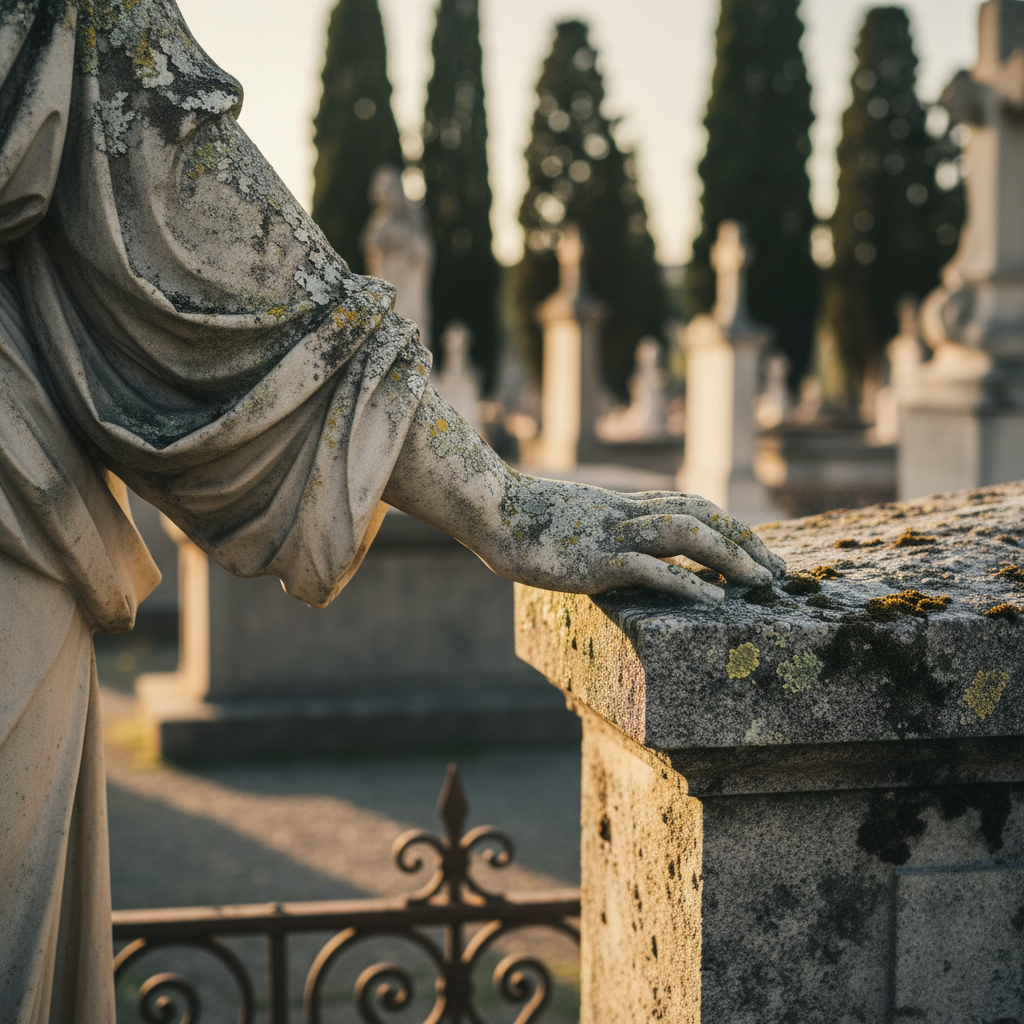
Explore the hauntingly beautiful Cemitério dos Prazeres in Lisbon, a masterpiece of Romantic funerary art and the final resting place of Portugal's nobility and icons.
In the western reaches of Lisbon, where the Tram 28 reaches its final destination, lies a city within a city. Known as the Cemitério dos Prazeres, or the Cemetery of Pleasures, this site is far from the somber atmosphere its name might suggest to the uninitiated. Established in 1833 following a devastating cholera outbreak, it has evolved into the most prestigious necropolis in Portugal, serving as the final resting place for the nation’s noble families, celebrated artists, and influential statesmen.
For the discerning traveler, Prazeres is not merely a cemetery. It is an open-air museum of Romanticism, a masterclass in funerary architecture, and a silent chronicle of Portuguese high society over the last two centuries. Wandering through its gridded avenues is an exercise in contemplative beauty, where every stone tells a story of power, loss, and the eternal search for remembrance.
## An Architectural Masterpiece of Stone and Soul
The layout of Prazeres mirrors the urban planning of Lisbon’s finest neighborhoods. It features organized streets, numbered blocks, and even "neighborhoods" that reflect the social standing of those who reside there. Unlike the more traditional, earth-bound burials found elsewhere, Prazeres is famous for its vast collection of private chapels and above-ground mausoleums.
These structures are exquisite examples of neo-classical, neo-gothic, and art deco design. The intricate ironwork, the heavy bronze doors, and the pristine white marble carvings represent the pinnacle of 19th and early 20th-century craftsmanship. Many of these tombs were designed by the same architects and sculptors who built the city’s grandest palaces and monuments, ensuring a stylistic continuity between the world of the living and the realm of the eternal.
### The Palmela Mausoleum: A Pyramid of Nobility
Among the many impressive structures, the Mausoleum of the Dukes of Palmela stands as a titan of funerary art. It is the largest private tomb in Europe, housing over 200 members of the same noble lineage. Designed in the shape of a pyramid, it evokes an ancient, timeless grandeur. The interior, visible only through heavy gates, contains a private chapel adorned with sculptures by Antonio Canova, arguably the greatest neoclassical sculptor of his era. This site serves as a profound reminder of the immense wealth and influence held by the Portuguese aristocracy during the monarchy.
## The Symbolism of Funerary Art
To truly appreciate Prazeres, one must look beyond the scale of the monuments and focus on the minute details. The cemetery is a lexicon of symbolic language. A broken column represents a life cut short, an inverted torch signifies the extinguishing of life, and the ubiquitous cypress trees, with their roots deep in the earth and tops pointing to the sky, symbolize the bridge between heaven and earth.
The artistry involved in the statuary is breathtaking. Mourning veils carved from solid stone appear translucent, and the expressions on the faces of marble angels convey a grief that feels hauntingly real. For those with an interest in art history, the cemetery provides an unparalleled opportunity to study the evolution of Portuguese sculpture without the crowds of a traditional museum.
### The Artists and Intellectuals
Prazeres is the final home for many of Portugal’s cultural giants. While the great poet Fernando Pessoa was famously moved to the Jerónimos Monastery in 1985, his original tomb remains here, a site of pilgrimage for literary enthusiasts. The cemetery also hosts the remains of iconic Fado singers, painters, and actors. Each tomb is often reflective of the inhabitant's profession; for example, the tombs of writers might feature stone books or quills, while those of naval officers are decorated with anchors and maritime motifs.
## The Most Beautiful View in Lisbon
One of the most surprising aspects of Prazeres is its location. Perched on a cliffside overlooking the Alcântara valley, it offers some of the most spectacular views of the Tagus River, the 25 de Abril Bridge, and the Christ the King monument in the distance.
There is a profound stillness here that is difficult to find elsewhere in the bustling capital. Many visitors find that the combination of the silent, monumental architecture and the sweeping vistas of the river provides a unique space for reflection. It is a place where the passage of time is felt differently, away from the frantic pace of modern life.
## Navigating the Silent City
Visiting the Cemitério dos Prazeres requires a certain level of decorum and appreciation for the sanctity of the site. It is a place of active mourning, yet it remains deeply welcoming to those who approach it with respect and curiosity.
### Practical Information for the Refined Traveler
* **Location:** The cemetery is situated in the Campo de Ourique neighborhood, one of Lisbon’s most sophisticated and traditional residential areas. * **Access:** While the famous Tram 28 stops directly at the entrance, many guests prefer a more private and comfortable arrival. The streets of Campo de Ourique are narrow and can be challenging to navigate in a standard rental car. * **Nearby Attractions:** After a morning spent among the statues, the nearby Mercado de Campo de Ourique offers a more refined, less tourist-centric alternative to the Time Out Market, perfect for a sophisticated lunch.
## A Private Journey Through History
Exploring the nuances of Lisbon’s hidden gems like Prazeres is best done at a relaxed pace, allowed by the flexibility of a private vehicle and a professional driver. Having a dedicated driver allows you to transition seamlessly from the architectural wonders of the cemetery to the charming boutiques of Campo de Ourique or the grand monuments of Belém, all while avoiding the complexities of urban parking and navigation.
The journey to Prazeres is more than a simple sightseeing trip; it is an immersion into the soul of Portugal. It is about understanding the values of a nation that celebrates its history and honors its ancestors with such immense beauty.
## Traveling with Portugal Magik
For fourteen years, Portugal Magik has been dedicated to discerning international travelers seeking premium experiences. Our team understands that true travel is found in the details, the comfort of a high-end Mercedes-Benz vehicle, the knowledge of a professional English-speaking driver, and the freedom to explore at your own rhythm.
When you choose to visit the Silent City of Statues with us, you are not just booking a transfer. You are securing a door-to-door service that prioritizes your comfort and curiosity. Whether you wish to spend hours studying the neoclassical reliefs of the Palmela Mausoleum or simply want to enjoy the panoramic views of the Tagus in peace, our drivers ensure your itinerary is entirely your own.
Our fleet, ranging from the elegant E-Class to the spacious V-Class and Sprinter, is meticulously maintained to provide the highest standards of safety and sophistication. We invite you to delve deeper into the history of Lisbon, beyond the typical tourist trails, and discover the quiet grandeur of sites like Prazeres.
Speak with our team and discover how to turn this experience into reality. Request your personalized proposal today and let us guide you through the history, art, and soul of Portugal in total comfort.