The Secret Keys of the Border: A Private Connoisseur’s Guide to the Crypto-Jewish Heritage of Belmonte and the Historical Villages
By Portugal Magik · Published 2026-08-03
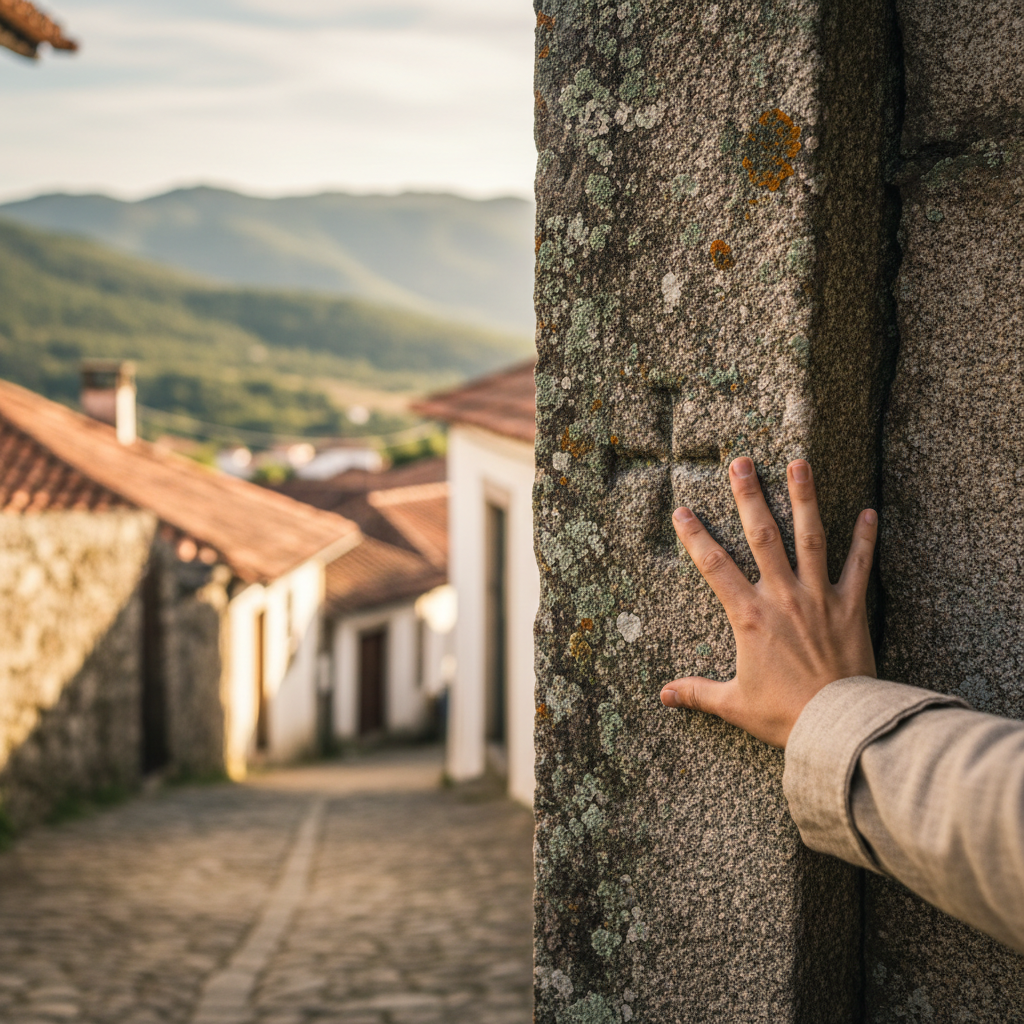
Explore the hidden history of Portugal's Crypto-Jewish heritage in Belmonte and the Historical Villages. A refined guide to the secrets, architecture, and resilient spirit of the Beira Interior.
The high plateaus and granite ridges of central Portugal hold a narrative that remained whispered for five centuries. While many travelers flock to the golden coasts of the Algarve or the storied cellars of Porto, a more profound and intimate history awaits along the eastern border. This is the land of the Historical Villages, a collection of fortified settlements where the stones themselves seem to breathe the secrets of the Crypto-Jewish community.
For the discerning traveler, this region offers more than just scenic vistas. It provides a rare opportunity to trace the footsteps of a people who preserved their faith in total secrecy, creating a cultural phenomenon unique in the world. Exploring these hidden corners requires a deliberate pace and a deep appreciation for the nuances of Iberian history.
## The Fortress of Faith: Belmonte
At the heart of this narrative sits Belmonte, a town that serves as the spiritual and historical anchor for the Jewish heritage in Portugal. Unlike other communities across Europe that were lost to history, the Jewish community of Belmonte survived the Inquisition by retreating into a life of careful concealment.
For centuries, these Crypto-Jews (or Marranos) maintained their traditions behind closed doors. They married within their community, observed the Sabbath in silence, and prayed to a God they could not name in public. It was only in the early 20th century that the world, and indeed the community itself, realized they were not the last Jews on earth.
Today, Belmonte is a place of profound dignity. The Jewish Museum of Belmonte, the first of its kind in Portugal, offers an evocative look at these centuries of resistance. The nearby Bet Eliahu Synagogue, inaugurated in 1996, stands as a symbol of a heritage that refused to be extinguished. Walking through the narrow, winding streets of the old Jewish quarter, one can still find small crosses carved into the stone doorframes, a historical remnant of the outward signs used to deflect the eyes of the Inquisition.
## The Silent Guardians: Trancoso and Sortelha
While Belmonte is the most famous site, the surrounding Historical Villages provide a broader context to this resilient culture. Trancoso, a town encircled by impressive medieval walls, was once home to one of the most vibrant Jewish communities in the region. The Isaac Cardoso Interpretation Center for Jewish Culture is a sophisticated space that honors this legacy, located near the site of the former Jewish quarter.
In Trancoso, the architecture acts as a silent witness. The House of the Black Cat (Casa do Gato Preto), a building that dates back to the 15th century, features intricate stone carvings that scholars believe represent Hebrew symbols. It is a puzzle in granite, waiting for the patient observer to decode its meaning.
A short drive through the rugged landscape leads to Sortelha, arguably the most beautiful of the Historical Villages. While its Jewish history is less overt than that of Belmonte, Sortelha represents the physical isolation that allowed these communities to survive. The village is built entirely of granite, blending seamlessly into the boulders of the hillside. Walking its perimeter is like stepping back into the 12th century, offering a sense of the solitude and security that the borderlands provided.
## The Architecture of Secrecy
The Jewish heritage of this region is not found in grand cathedrals or expansive plazas. Instead, it is found in the "Small History," the details of daily life that were adapted for survival. In villages like Castelo Rodrigo and Almeida, the presence of the Jewish community is felt in the layout of the streets and the specific craftsmanship of the homes.
One of the most fascinating aspects of this heritage is the way religious practices were camouflaged. Travelers can observe how the community developed unique culinary traditions, such as the *Alheira*, a sausage made without pork that was originally created to give the appearance of following local Christian dietary customs. It is these layers of cultural adaptation that make the region so compelling for those seeking a deeper understanding of Portuguese identity.
## A Journey Through High Altitudes and Deep History
The landscape of the Beira Interior region is a character in its own right. The Serra da Estrela mountains provide a dramatic backdrop to these historical explorations. The air is crisp, the horizons are vast, and the silence of the high plateaus is interrupted only by the occasional shepherd or the wind through the pines.
Traveling between these villages is an exercise in appreciating the rugged beauty of the Portuguese interior. The roads wind through ancient olive groves and cork forests, offering glimpses of a lifestyle that has remained largely unchanged for generations. This is not a journey to be rushed; the beauty of the region lies in the transitions between the fortified towns and the quiet moments spent overlooking the Spanish border.
## Practical Information for the Discerning Traveler
Visiting the Jewish heritage sites and Historical Villages requires careful planning, as the region is expansive and the most meaningful sites are often tucked away in remote areas.
### When to Visit The spring (April to June) and autumn (September to October) are the ideal times to explore this region. The weather is mild, perfect for walking the cobblestone streets, and the light over the granite villages is particularly beautiful during these months. Winters can be quite cold in the mountains, while summer temperatures often rise significantly.
### Logistics and Access The region is best accessed from Lisbon or Porto, though it remains a significant drive. Given the winding roads and the distances between villages like Belmonte, Trancoso, and Sortelha, having a dedicated vehicle and a knowledgeable driver is essential for a seamless experience. This allows travelers to focus on the scenery and the history rather than the complexities of navigation.
### Accommodations The region offers several high-end boutique hotels, often housed in restored convents or manor houses. These properties provide a refined base from which to explore the surrounding countryside, offering modern comforts while respecting the historical integrity of the architecture.
## The Importance of the Private Perspective
To truly unlock the "Secret Keys of the Border," one must look beyond the surface. The history of the Crypto-Jews is a history of nuances, of things left unsaid, and of symbols hidden in plain sight.
Engaging a professional service for this journey ensures that the logistical burdens are removed, allowing for a pure focus on the historical narrative. A private driver provides the flexibility to linger in a particular village or to take a scenic detour that a fixed group tour would never allow. In a region where the history is so intimately tied to the land, the comfort of a premium Mercedes-Benz vehicle and the expertise of a professional who understands the local context are invaluable.
## A Legacy Preserved
The story of the Jewish heritage in the Historical Villages is a testament to the endurance of the human spirit. It is a narrative of identity maintained against all odds, preserved in the granite of the mountains and the traditions of the people. For the international traveler, a visit to Belmonte and its sister villages is more than a sightseeing trip; it is an encounter with a living history that continues to resonate today.
As you stand on the ramparts of a border castle, looking out over the vast plains that stretch toward Spain, you feel the weight of the centuries. The keys to this history are not found in books alone, but in the experience of the places themselves, the silence of the ancient streets, and the enduring presence of a community that refused to be forgotten.
The journey through the Beira Interior is an invitation to slow down and reflect. It is a path for those who value depth over distance and who seek to understand the complex threads that weave the fabric of Portuguese culture.
To begin planning your exploration of this profound heritage with the comfort and expertise your journey deserves, speak with our team and discover how to turn this experience into reality. Request your personalized proposal today.