The Sand-Grown Legacy: A Private Connoisseur’s Guide to the Pre-Phylloxera Vines and Atlantic Terroir of Colares
By Portugal Magik · Published 2026-09-18
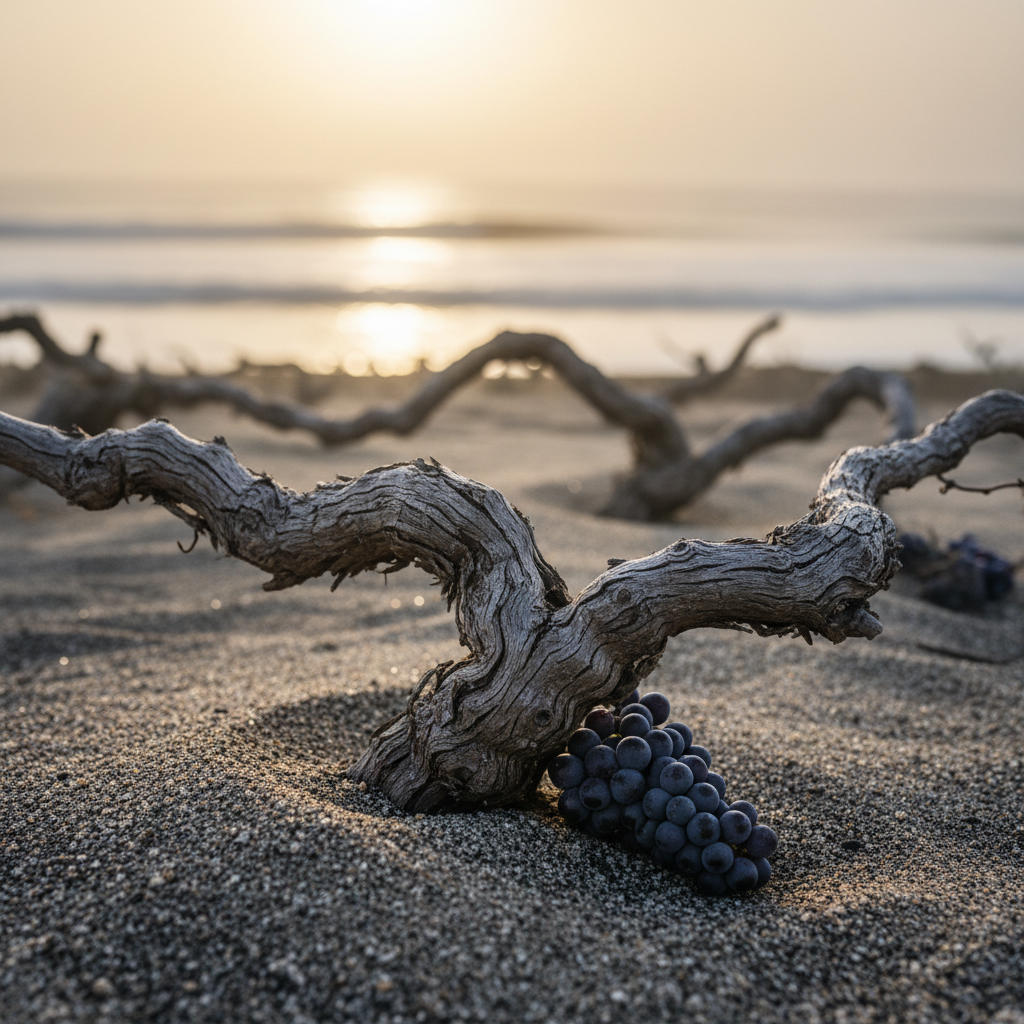
Discover the rare pre-phylloxera vines of Colares, where ancient grapes grow in deep Atlantic sands. A guide to the most unique viticultural heritage in Portugal.
Just a short drive from the cosmopolitan energy of Lisbon, where the European continent meets the untamed Atlantic Ocean, lies one of the most remarkable viticultural landscapes in the world. Colares is not merely a wine region. It is a living museum, a testament to resilience, and a sanctuary for some of the rarest grapevines on the planet.
For the discerning traveler, a journey to Colares offers more than a simple tasting. It is an invitation to witness a botanical miracle. Here, amidst the salt-sprayed cliffs of Sintra, vines grow in deep trenches of sand, having survived the Great Blight that decimated the vineyards of Europe in the 19th century. This is the story of the sand-grown legacy, a terroir defined by the Atlantic and preserved by the very earth that neighbors the sea.
## The Phylloxera Miracle: Why Colares Stands Alone
In the late 1800s, a tiny aphid known as Phylloxera vastatrix arrived in Europe from North America, systematically destroying the root systems of Vitis vinifera. From the rolling hills of Bordeaux to the steep terraces of the Douro, the wine world was brought to its knees. The only way to survive was to graft European vines onto resistant American rootstock, a practice that continues to this day for almost all commercial wine.
However, Colares remained untouched. The secret lay beneath the surface. The Phylloxera aphid cannot travel through sand. Because the traditional vineyards of Colares are planted in deep "chão de areia" (sandy soil), the insects were unable to reach the roots.
As a result, Colares is home to genuine, ungrafted pre-phylloxera vines. When you observe these ancient, twisted plants, you are looking at a genetic lineage that remains exactly as it was centuries ago. These are some of the only vines in the world that stand on their own original roots, offering a pure expression of the Ramisco and Malvasia de Colares grapes.
## The Art of Trench Viticulture
The method of cultivation in Colares is as fascinating as its history. To reach the clay layer beneath the thick dunes of sand, growers must dig trenches up to eight meters deep. The vines are planted in the clay and then gradually covered back up as they grow, until only the leaves and fruit rest on the surface of the sand.
### The Low-Hugging Vines Unlike the vertical trellises seen in Napa or Tuscany, the vines in Colares crawl along the ground. This low profile protects the delicate fruit from the fierce Atlantic winds that batter the Sintra coast. During the summer, the sand reflects the sun, helping the grapes to ripen despite the persistent sea mists.
### The Protection of Dry-Stone Walls Walking through the vineyards, one notices a labyrinth of small walls made of dry stone or windbreaks crafted from dried reeds. These structures are essential, acting as a shield against the salt-laden air. The maritime influence is so strong here that if the grapes were not protected, the salt spray would effectively "cook" the skins, ruining the harvest.
## Exploring the Colares Varietals
The wines of Colares are not for the casual drinker who seeks immediate fruit-forward sweetness. They are wines of character, structure, and immense longevity, built for those who appreciate the evolution of a vintage over decades.
### Ramisco: The Noble Red Ramisco is the primary red grape of the region. It is known for its high acidity, powerful tannins, and relatively low alcohol. In its youth, it can be astringent and challenging. However, with time, it transforms into something sublime. A well-aged Ramisco offers notes of dried cherries, cedar, iodine, and a distinct saltiness that reflects its proximity to the ocean. It is often compared to a Nebbiolo or a classic Rioja in its ability to age gracefully for 30, 40, or even 50 years.
### Malvasia de Colares: The Briny White The white wines of the region are dominated by Malvasia de Colares. These wines are aromatic yet profoundly mineral. They carry the scent of the sea breeze, often accompanied by notes of green apple, citrus, and a nutty complexity that develops with age. They are the perfect accompaniment to the fresh seafood found in the nearby villages of Azenhas do Mar and Praia das Maçãs.
## A Landscape Under Threat
Despite its prestige, Colares is an endangered region. In the early 20th century, there were thousands of hectares of vines. Today, that number has dwindled significantly. The labor-intensive nature of sand-trench farming, combined with the pressure of real estate development along the desirable Sintra coastline, has made these vineyards increasingly rare.
Visiting Colares is, therefore, an act of preservation. By supporting the local producers and the Adega Regional de Colares (the historic cooperative), travelers help ensure that this unique heritage continues for another generation.
## Planning Your Atlantic Terroir Experience
A visit to Colares is best paired with an exploration of the wider Sintra-Cascais Natural Park. Because the region is small and its production limited, the experience feels incredibly intimate and far removed from the high-traffic wine routes of other countries.
### The Historic Cellars The Adega Regional de Colares is a must-visit for any connoisseur. Housed in a magnificent building dating back to the late 19th century, its vast cellar is filled with enormous mahogany vats where the wine slumbers for years. The atmosphere is cool and hushed, smelling of old wood and history.
### Coastal Gastronomy After spending the morning learning about the vines, many travelers head toward the coast. The local restaurants perched on the cliffs offer some of the freshest Atlantic fish available in Portugal. Pairing a crisp, saline Malvasia with grilled sea bass while watching the waves crash against the rocks is one of the quintessential experiences of the region.
## Practical Information for the Discerning Traveler
* **Location:** Colares is approximately 45 minutes west of Lisbon and 20 minutes from the historic center of Sintra. * **Climate:** Even on a sunny day in Lisbon, Colares can be misty and cool due to its microclimate. Bringing a light jacket is always recommended. * **Availability:** Due to the very small production levels of these ungrafted vines, many Colares wines are difficult to find outside of Portugal. This makes a visit to the source particularly rewarding for collectors. * **Timing:** The vineyards are most beautiful in the late spring and summer when the foliage is lush against the golden sand. However, the moody, atmospheric mists of autumn and winter provide a dramatic backdrop for tasting these historic vintages.
## Discover the Soul of Portuguese Viticulture
The sand-grown legacy of Colares is a reminder that the greatest treasures are often those that require the most effort to sustain. These vines have withstood the test of time, the ravages of pests, and the changing tides of global wine trends. They remain as they have always been: stubborn, resilient, and deeply connected to the Atlantic soil.
For those who seek to understand the true diversity of Portuguese wine, a journey to this coastal enclave is essential. It is a place where history is measured in centuries and where every bottle tells a story of survival against the elements.
To experience the wind-swept beauty of Sintra and the historic cellars of Colares with the comfort and sophistication you deserve, consider a private excursion. Our dedicated team specializes in providing seamless, high-end transportation in a fleet of premium Mercedes-Benz vehicles, ensuring your journey through the Atlantic terroir is as refined as the wines themselves.
Speak with our team and discover how to turn this experience into reality.