The Sand-Born Legacy: A Private Connoisseur’s Guide to the Rare Vines and Coastal Estates of Colares
By Portugal Magik · Published 2026-06-28
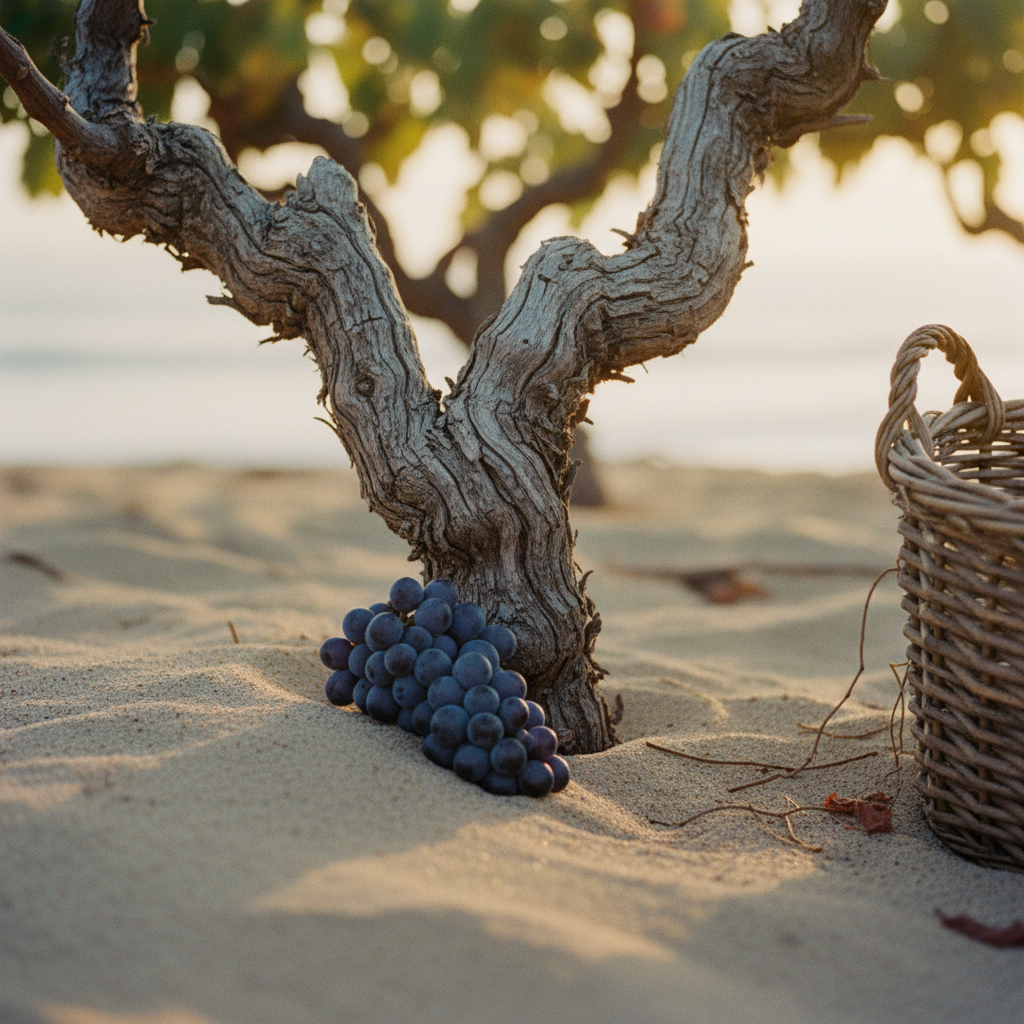
Discover the rare sand-grown vines of Colares, where ancient Ramisco grapes survived the phylloxera plague to produce some of the world's most unique, saline-inflected wines.
Between the windswept cliffs of Cascais and the misty peaks of Sintra lies a wine region unlike any other on earth. Colares, a small and ancient viticultural sanctuary, represents one of the most remarkable stories of survival in the world of oenology. Here, the vines do not grow in neat, upright rows on hillsides. Instead, they crawl across the sand like ancient weathered serpents, protected from the Atlantic gales by hand-built cane fences and dry stone walls.
For the discerning traveler, a journey to Colares is not merely a wine tasting; it is a pilgrimage to a living museum. This is a landscape where time seems to have paused, preserving a method of viticulture that has remained virtually unchanged for centuries. It remains one of the few places in Europe where the devastating phylloxera plague of the 19th century could not reach, thanks to the deep, protective sands that define its terroir.
## The Resilience of the Ramisco Grape
The star of Colares is the Ramisco grape. While most European vineyards were decimated by the phylloxera louse in the 1800s, the sandy soils of Colares acted as a natural barrier. The insect cannot tunnel through sand, meaning the vines in this region are ungrafted, growing on their own original European roots. This makes them some of the rarest and most authentic vines in existence.
The resulting wine is equally unique. Ramisco produces a deep, tannic, and high-acid red wine that requires significant patience. It is often described as a wine that needs a decade or more to reach its peak, evolving from a rugged, sea-salted youth into a sophisticated, complex masterpiece with notes of dried fruits, cedar wood, and iodine.
## Cultivation Against the Elements
The method of growing these vines is a testament to human perseverance. Farmers must dig deep trenches through meters of sand to reach the clay layer below where the roots can find moisture. As the vine grows, the trench is gradually filled back in.
Because of the intense Atlantic winds, the vines are kept low to the ground. They are shielded by "caniços," traditional windbreaks made of reeds tied together with wicker. To walk through these estates is to witness a delicate choreography between man and nature, where every bottle produced is the result of intensive manual labor and an unwavering commitment to tradition.
### The White Treasure: Malvasia de Colares
While the Ramisco grape holds historical dominance, the white wines of the region, made from Malvasia de Colares, are equally enchanting. These are not your typical crisp summer whites. They are structured, saline, and aromatic, carrying the scent of the ocean spray and the wild herbs that grow along the Atlantic coast. They offer a refined acidity that pairs beautifully with the fresh catch from the nearby shores of Azenhas do Mar.
## Exploring the Coastal Estates and Heritage Cellars
The architecture of the region reflects its prestigious past. During the early 20th century, Colares was the wine of kings, frequently served at the royal tables of Europe. Today, several historic estates and the local cooperative allow visitors to step back into this golden era.
### The Adega Regional de Colares
The local cooperative, housed in a cathedral-like building dating back to the late 19th century, is an essential stop for any connoisseur. Inside, giant mahogany vats and oak barrels line the darkened halls, aging the precious nectar for years before it is deemed ready for the market. The sheer scale of the wooden vats is a marvel of traditional craftsmanship, reflecting the high production levels of a bygone era.
### Private Quintas and Hidden Vineyards
Beyond the main cooperative, several private quintas (estates) continue the legacy. These estates often feature manor houses that blend Sintra’s romanticist architecture with the utilitarian needs of a working farm. Visiting these locations offers a glimpse into a lifestyle that is increasingly rare: one where the rhythm of the seasons and the temperament of the ocean dictate the pace of life.
## The Surroundings: Synthesis of Sea and Stone
A visit to the vineyards of Colares is effortlessly complemented by the surrounding landscape. The region is tucked between the UNESCO World Heritage site of Sintra and the sophisticated coastal town of Cascais.
To the west, the cliffs drop dramatically into the Atlantic at Cabo da Roca, the westernmost point of continental Europe. To the north, the village of Azenhas do Mar clings to the side of a cliff, its white-washed houses overlooking a natural swimming pool carved into the rock. The interplay between the misty, forested mountains and the raw power of the ocean creates a microclimate that is essential to the character of the wines and the beauty of the journey.
## Practical Information for the Discerning Traveler
### When to Visit The region is beautiful year-round, though the vineyards are most active between late spring and the autumn harvest. In summer, the coastal fog (known locally as the "Sintra sweat") often rolls in during the afternoon, providing a cooling respite from the Portuguese sun and adding a mystical atmosphere to the landscape.
### Dining in the Region The local gastronomy is centered on the sea. Fine dining establishments in the area focus on high-quality seafood, particularly octopus, sea bass, and the rare goose barnacles (percebes) harvested from the treacherous cliffs nearby. These saline flavors are the natural counterparts to the region’s wines.
### Access and Logistics Colares is located approximately 45 minutes from Lisbon. Given the narrow, winding roads of the Sintra mountains and the specific locations of the most prestigious estates, navigating the area is best handled by a professional. This allows guests to fully engage with the tasting experiences and the breathtaking scenery without the concerns of navigation or parking.
## A Legacy Preserved for the Future
Colares remains one of the smallest and most protected wine regions in the world. As urban development presses against the edges of the traditional vineyard lands, the commitment of local producers and the interest of international connoisseurs are what keep this sand-born legacy alive. To experience these wines is to taste the history of Portugal itself, bottled with the salt of the sea and the soul of the sand.
Whether you are a seasoned oenophile or a traveler seeking the authentic and the rare, the coastal estates of Colares offer an experience found nowhere else on the globe. It is a place of quiet dignity, where the vines refuse to yield to time and the wines tell a story of endurance.
## Your Journey to the Edge of Europe
Experience the hidden treasures of the Portuguese coast with the comfort and expertise your journey deserves. Portugal Magik brings 14 years of experience to every itinerary, providing high-end private transportation in an exclusive Mercedes-Benz fleet. Our professional English-speaking drivers are dedicated to discerning international travelers seeking premium experiences, ensuring your exploration of Sintra, Cascais, and the vineyards of Colares is seamless and sophisticated.
The flexibility of a private driver-guided experience allows you to linger over a tasting or pause for a photograph at a clifftop viewpoint whenever the moment moves you. Allow us to provide the perfect vehicle and professional guidance for your next discovery.
Speak with our team today and discover how to turn this experience into reality.