The Sand-Born Legacy: A Private Connoisseur’s Guide to the Heroic Viticulture and Noble Estates of Colares
By Portugal Magik · Published 2026-07-16
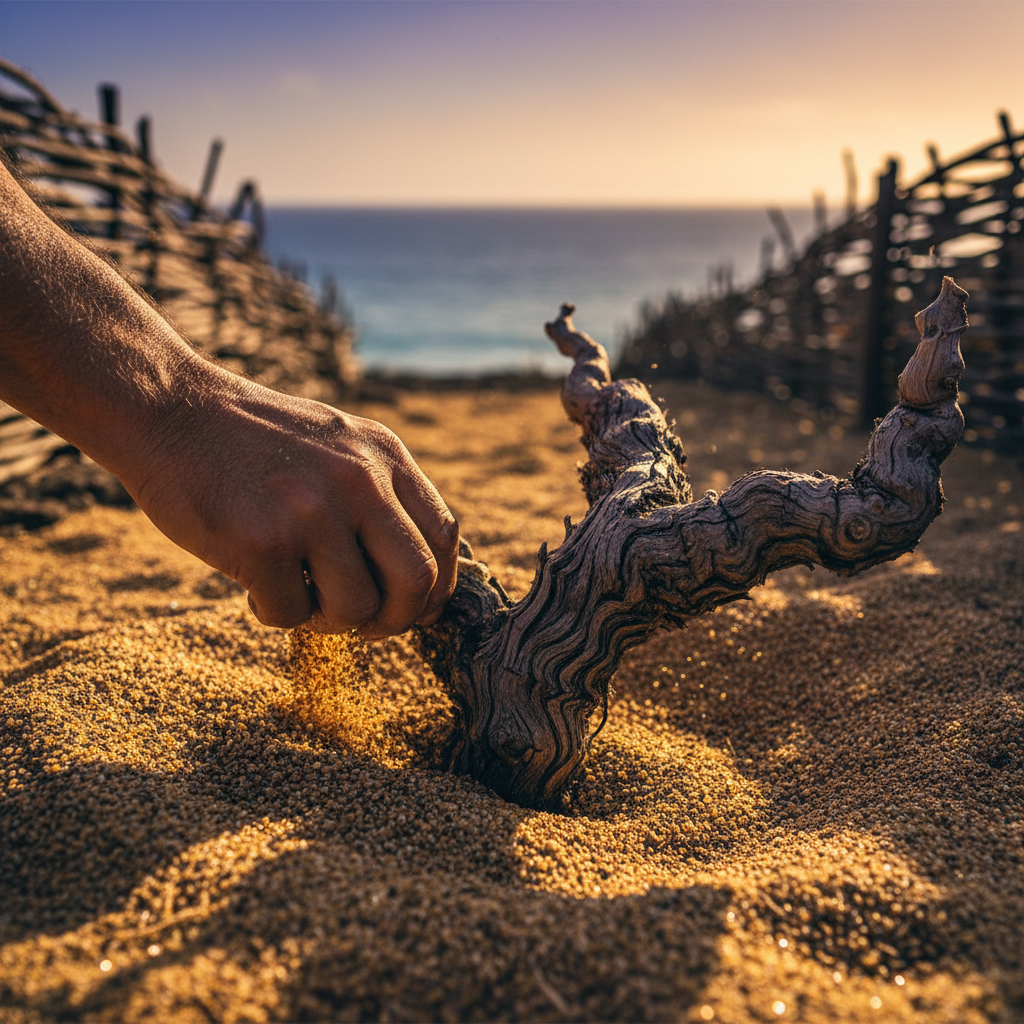
Explore the heroic viticulture of Colares, where pre-phylloxera vines thrive in deep coastal sands. Discover the noble estates, ancient traditions, and rare Ramisco wines of this unique Portuguese region.
Between the salt-lashed cliffs of Cabo da Roca and the forested peaks of Sintra lies a wine region unlike any other on earth. Colares is not merely a destination for viticulture aficionados; it is a living museum of botanical defiance. Here, for centuries, vines have been planted in deep trenches of sand, protected from the Atlantic gales by hand-woven cane fences. This is the home of what many call heroic viticulture, a place where the pre-phylloxera Ramisco grape continues to thrive on its original rootstocks, shielded by the very earth that surrounds it.
For the discerning traveler, a journey through the noble estates of Colares offers a rare glimpse into a vanishing world of viticultural tradition. It is a landscape defined by an intimate connection between the rugged ocean air and the ancient, twisted vines that creep across the golden dunes.
## The Resistance of the Ramisco Grape
The history of Colares is defined by its survival. When the phylloxera pandemic decimated the vineyards of Europe in the late nineteenth century, the ungrafted vines of Colares remained untouched. The microscopic insects could not navigate the loose, granular structure of the coastal sands, leaving the region as one of the few places in the world where noble European vines still grow on their own roots.
The king of these sands is the Ramisco grape. It is a variety known for its formidable tannins, high acidity, and incredible longevity. In their youth, these wines can be austere, but with decades of patient aging in old mahogany and oak, they transform into something ethereal. They develop notes of dried rose petals, salt spray, cedar, and sun-baked earth. Exploring these wines requires patience and an appreciation for the historical weight they carry in every glass.
## An Architectural Sanctuary: The Adega Regional de Colares
Founded in 1931, the Adega Regional de Colares serves as the guardian of the region's heritage. The building itself is an architectural wonder, featuring soaring ceilings and rows of massive exotic wood vats that have held these precious vintages for generations.
Walking through the cool, dimly lit cellar, visitors are enveloped by the scent of aging wood and the quiet presence of history. The cooperative ensures that the traditional methods of cultivation and production are preserved, acting as a vital link between the small-scale producers of the region and the global stage. It is an essential stop for anyone wishing to understand the scale and the solemnity of the viticultural legacy here.
## The Estate of Casal de Santa Maria
Just a short drive from the center of Colares, perched on the cliffs overlooking the Atlantic, lies Casal de Santa Maria. This estate represents a more contemporary revival of the region's potential. Re-established by Baron Bodo von Bruemmer at the age of 96, the estate produces wines that capture the crystalline purity of the coastal terroir.
The property is a masterclass in elegant integration, where manicured gardens meet the wild beauty of the ocean. While the estate produces exceptional Malvasia and Ramisco, they are also celebrated for their Sauvignon Blanc and Pinot Noir, which benefit from the cool maritime mists and the mineral-rich soils. The estate grounds offer a serene atmosphere where the sound of the waves provides a constant backdrop to the exploration of their sophisticated portfolio.
## The Heroic Labor of the Sand Vines
To truly appreciate the wines of Colares, one must understand the Herculean effort required to produce them. Unlike the vertical trellises seen in the Douro or Alentejo, the vines here grow prostrate, hugging the warm sand to stay protected from the relentless sea winds.
The process of planting is equally demanding. Workers must dig deep trenches, sometimes up to eight meters deep, through the top layers of sand to reach the clay beneath. Once the vine is planted in the clay, the trench is slowly filled back in as the vine grows. This labor-intensive method prevents the region from ever becoming a site of mass production. It remains, by necessity, a boutique endeavor, reserved for those who value craftsmanship over volume.
## The Visual Tapestry of the Coastline
The landscape of Colares is a patchwork of small plots known as "currais." These are tiny rectangles of vineyard surrounded by dry stone walls or fences made of dried cane. These barriers serve a dual purpose: they break the force of the wind and trap heat to help ripen the grapes.
From an aesthetic perspective, the region offers a melancholic beauty. The silver-green leaves of the vines contrast beautifully with the pale gold of the dunes and the deep blue of the Atlantic. It is an evocative setting that feels worlds away from the bustling centers of Lisbon or even the nearby town of Sintra.
## Practical Information for the Discerning Visitor
When planning a visit to the Colares wine region, it is important to consider the timing and the nature of the experience.
### When to Visit The region is beautiful year-round, but the late spring and early autumn offer the most pleasant climate for exploring the vineyards. The summer months bring the "Nortada" (north wind), which can be quite brisk even on sunny days. If you wish to see the vines in their full green glory, May and June are ideal.
### Pairing and Gastronomy The wines of Colares are food wines par excellence. The high acidity of the white Malvasia pairs exquisitely with the fresh seafood caught along the nearby coast, particularly sea bass or the local goose barnacles (percebes). The structured Ramisco reds are best enjoyed with rich meats or matured cheeses, which help soften their powerful tannins. Many high-end restaurants in the nearby village of Azenhas do Mar or the town of Sintra maintain extensive collections of older Colares vintages.
### Navigation and Access The roads winding through the Sintra-Cascais Natural Park can be narrow and intricate. Having a dedicated professional driver allows guests to focus entirely on the scenery and the tasting experiences without the concern of navigating the steep coastal terrain or the complexities of local traffic.
## A Legacy Preserved
The story of Colares is one of persistence against the odds. In an era of globalization and standardized tastes, these wines remain stubbornly, beautifully unique. They are not for everyone, but for those who seek authenticity and historical depth, there is no more rewarding region in Portugal.
A visit to these noble estates is more than a simple wine tasting; it is a pilgrimage to the roots of European viticulture. It is an opportunity to touch the ancient sands, to breathe the salt air, and to taste a liquid history that has remained unchanged for over a century.
## Curated Travel with Portugal Magik
The best way to experience the hidden corners of Colares is through the comfort of a private journey. Portugal Magik has spent over fourteen years perfecting the art of travel across this beautiful country, catering to discerning international travelers seeking premium experiences.
Our fleet of modern Mercedes-Benz vehicles, ranging from the elegant E-Class to the spacious V-Class and Sprinter, ensures that your journey through the hills of Sintra and the dunes of Colares is as comfortable as it is inspiring. With a professional, English-speaking driver at the helm, you have the flexibility to linger at a coastal lookout or spend extra time reflecting on the history of an ancient cellar. We provide the seamless logistics and expert route guidance that allow the magic of the region to take center stage.
Speak with our team and discover how to turn this experience into reality.