Saints and Shepherds in Miniature: The Painted Clay Figures of Estremoz
By Portugal Magik · Published 2026-10-01
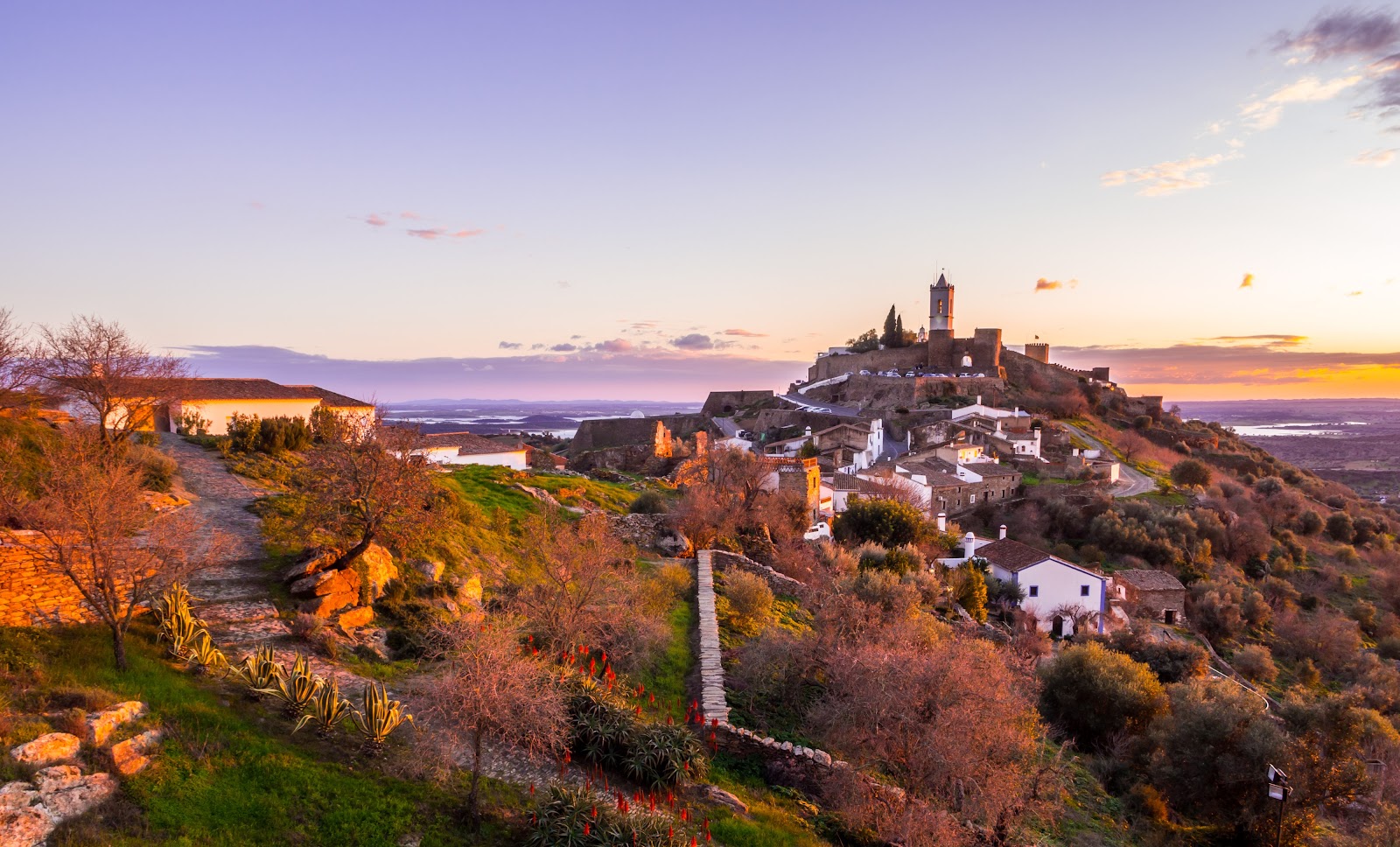
Discover the UNESCO-recognized Bonecos de Estremoz, the exquisite hand-painted clay figurines that capture the spiritual and rural soul of Portugal's Alentejo region.
In the heart of the Alentejo, where the horizon stretches across golden plains and ancient cork forests, the white-walled city of Estremoz stands as a sentinel of history. While its marble quarries and medieval fortifications have long drawn admirers, the true soul of the region is often found in something far more delicate. For centuries, the local artisans have breathed life into the earth, creating the Bonecos de Estremoz, or the clay figures of Estremoz. These painted figurines, recently recognized by UNESCO as Intangible Cultural Heritage of Humanity, represent one of the most sophisticated and enduring expressions of Portuguese folk art.
To witness these figures is to see the history of Portugal captured in miniature. From the devout imagery of saints to the humble, everyday scenes of shepherds and farmers, the art of Estremoz clay modeling is a window into a world where the sacred and the secular coexist in vibrant, hand-painted harmony. For the discerning traveler, a journey to this corner of the Alentejo offers a rare opportunity to engage with an artistic tradition that has remained virtually unchanged since the seventeenth century.
## A Tradition Sculpted from the Earth
The origins of the Estremoz figurines are deeply rooted in the local landscape. The region is rich in high-quality clay, which has been used for utilitarian pottery since Roman times. However, it was during the Baroque era that the transition from functional vessels to decorative, narrative figures truly flourished. Initially, these figures served as affordable religious icons for domestic altars or as vibrant additions to elaborate Christmas nativity scenes.
What sets the Estremoz tradition apart is the specific technique and aesthetic language developed by its masters. Unlike the mass-produced ceramics found elsewhere, each Boneco is modeled by hand. The process is meticulous. The clay is shaped, dried, and fired, but it is the final stage, the painting, that grants each piece its distinctive character. The colors are traditionally bold and primary, with a high-gloss finish that gives the figures a porcelain-like quality, despite their humble earthen beginnings.
### The Iconography of the Alentejo
The subject matter of the Bonecos de Estremoz is a fascinating study of Portuguese social hierarchy and spiritual life. The repertoire typically falls into three main categories: religious figures, pastoral scenes, and seasonal festivities.
The religious icons are perhaps the most recognizable. Images of Saint Anthony, the patron saint of Lisbon who is also beloved in the south, are common, as are representations of the Virgin Mary and various local martyrs. These figures are often depicted with a certain rustic elegance, combining formal ecclesiastical attire with the soft, rounded features characteristic of the Estremoz style.
Parallel to the divine are the shepherds and laborers of the Alentejo. These figures capture the essence of rural life. You might see a shepherd wrapped in a traditional sheepskin cloak (the *samarra*), a woman in a wide-brimmed hat carrying a water jug, or a group of musicians playing the accordion. There is a profound dignity in these miniatures; they are not mere caricatures, but rather a celebration of the people who have shaped the Alentejo landscape for generations.
## The UNESCO Recognition and the Modern Master
In 2017, the art of the Bonecos de Estremoz was inscribed on the UNESCO Representative List of the Intangible Cultural Heritage of Humanity. This prestigious designation served to highlight not just the beauty of the objects, but the community of artisans who keep the knowledge alive. The "Estremoz School" is defined by its strict adherence to traditional aesthetics and methods, ensuring that the art form does not become diluted by modern commercialism.
Visiting the workshops in Estremoz today feels like stepping back in time. Several families have passed these secrets down through multiple generations. In these quiet, sun-drenched ateliers, one can observe the steady hands of the masters as they apply the signature reds, blues, and yellows that define the style. It is a slow, contemplative process that stands in stark contrast to the fast-paced world outside.
### The Spring and Summer Themes
Among the most sought-after figures are those representing the seasons. The "Spring" figure is a classic of the genre, usually depicted as a young woman adorned with flowers, symbolizing the brief but spectacular blooming of the Alentejo plains. Similarly, figures related to the harvest or local fairs provide a vibrant look at the social calendar of the region. For collectors, these pieces are more than just souvenirs; they are narrative fragments of a culture that values the rhythm of the land and the passage of time.
## Exploring Estremoz and Surroundings
While the clay figures are a primary draw, Estremoz itself is a destination of immense beauty. The town is divided into two distinct parts: the lower town (the *Parrado*) and the upper town (the *Castelo*).
The upper town, encircled by medieval walls, is home to the former royal palace, now a premium pousada. Walking through these ancient streets, one is surrounded by the famous "white gold" of the region, the Estremoz marble. It is used in everything from the doorframes of humble cottages to the grandest monuments, creating a luminous atmosphere that is particularly striking at sunset.
On Saturdays, the main square in the lower town hosts one of the most famous traditional markets in Portugal. Here, among the stalls of local cheeses, cured meats, and antique furniture, you will often find the artisans selling their latest clay creations. It is an authentic, sensory experience that captures the heart of Portuguese provincial life.
### Beyond the Clay: The Alentejo Experience
A visit to Estremoz is perfectly complemented by exploring the surrounding region. The Alentejo is renowned for its premium wine production, particularly full-bodied reds that reflect the heat and character of the soil. The nearby towns of Vila Viçosa and Borba also offer a wealth of history and architectural beauty, largely defined by the same marble that graces Estremoz.
For travelers seeking a deeper connection to the territory, the landscape itself is the greatest attraction. The rolling hills, dotted with olive groves and cork oaks, provide a sense of space and tranquility that is increasingly rare in Europe. It is a region that rewards the slow traveler, the one who is willing to take the time to appreciate the fine details, much like the intricate brushstrokes on a clay shepherd.
## Practical Information for the Discerning Traveler
If you are planning to visit Estremoz and explore the world of its painted clay figures, here are a few considerations to ensure a seamless experience:
* **Timing:** The Saturday market is a highlight, so planning a visit to coincide with the weekend is highly recommended. The town is also particularly beautiful in the spring (late March to May) when the wildflowers are in bloom. * **Artisan Workshops:** While some workshops are open to the public, they are small, working spaces. It is always respectful to inquire before entering and to remember that these are places of professional craftsmanship. * **The Municipal Museum:** For a comprehensive overview of the history of the Bonecos, the Municipal Museum (Museu Municipal Professor Joaquim Vermelho) houses an extraordinary collection of figures dating back centuries, providing essential context for the tradition. * **Transportation:** The Alentejo is a vast region with limited public transport options to its more secluded corners. Utilizing a private driver service allows for a relaxed journey through the countryside, with the flexibility to stop at small boutiques or scenic viewpoints that are otherwise inaccessible.
## Discover the Alentejo with Portugal Magik
The journey to Estremoz is as much about the destination as it is about the stories gathered along the way. At Portugal Magik, we have spent fourteen years dedicated to discerning international travelers seeking premium experiences. Our goal is to provide more than just transportation; we offer a refined way to discover the authentic heart of Portugal.
Traveling in the comfort of our exclusive Mercedes-Benz fleet, you will have the freedom to explore the Alentejo at your own pace. Your professional, English-speaking driver will handle the nuances of the route, ensuring you arrive at each destination relaxed and ready to immerse yourself in the local culture. Whether you are a collector of fine folk art or a traveler who appreciates the intersection of history and craftsmanship, the painted figures of Estremoz are waiting to be discovered.
Allow us to elevate your Portuguese journey with the privacy and sophistication that only a dedicated private tour service can provide.
Speak with our team and discover how to turn this experience into reality. Request your personalized proposal today.