The River of Silence: A Private Connoisseur’s Guide to the Slate Canyons and Geometric Splendor of the Paiva Valley
By Portugal Magik · Published 2026-06-07
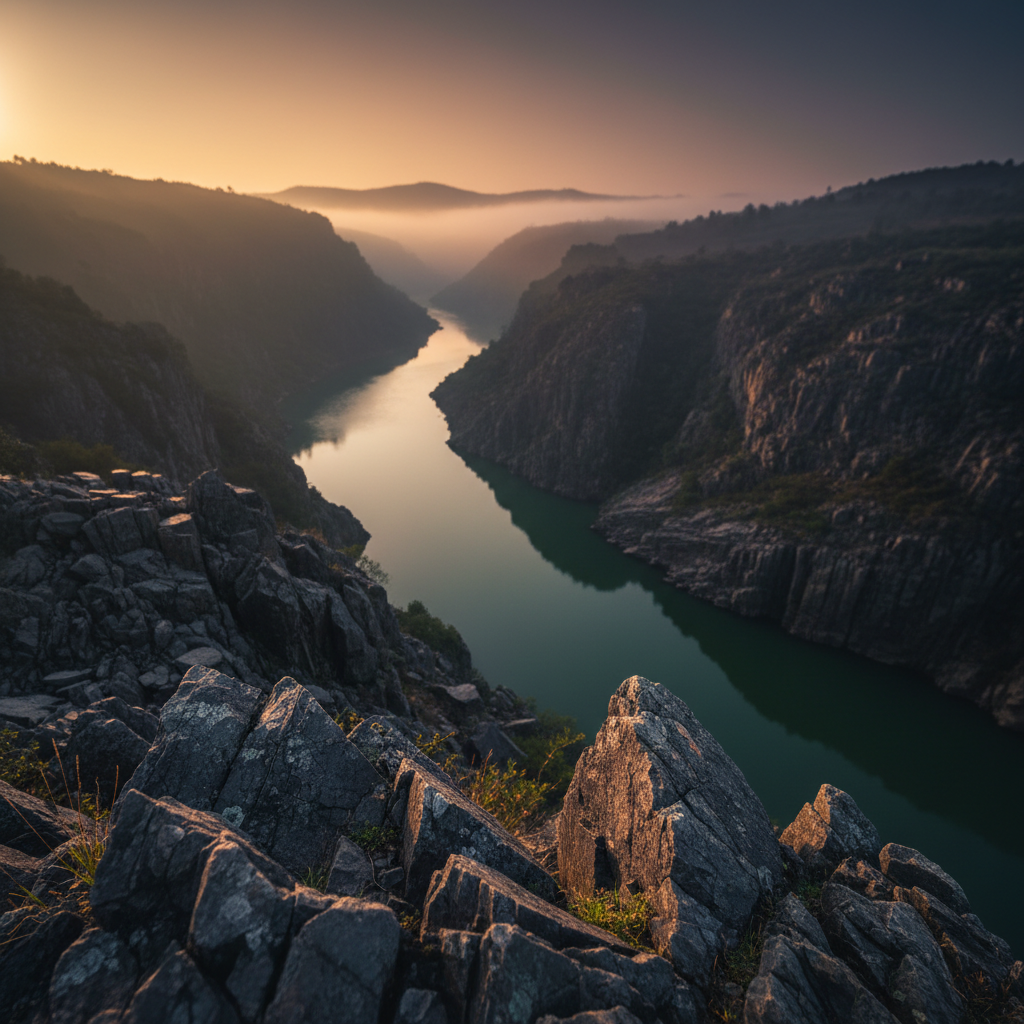
Explore the Paiva Valley, a geological masterpiece of slate canyons and award-winning timber walkways. Discover the 516 Arouca bridge and the profound stillness of Portugal’s most pristine river ecosystem.
Deep within the rugged interior of Northern Portugal lies a landscape defined by dramatic elevation, ancient geology, and a profound, echoing stillness. The Paiva Valley, often overlooked by those who remain on the coastal trail, represents a masterclass in nature’s ability to create geometric beauty. Here, the Paiva River carves its way through steep slate canyons, creating a sanctuary of biodiversity and a visual spectacle that rewards the most discerning of travelers.
For those who seek to move beyond the typical tourist path, the Paiva Valley offers a sophisticated blend of adventure and aesthetic appreciation. It is a place where the air is noticeably crisper, the water is remarkably clear, and the silence is so deep it feels tangible. This is a journey for the connoisseur of quiet places, an exploration of one of Europe’s most pristine river ecosystems through the lens of architectural brilliance and natural wonder.
## The Architecture of the Landscape: Slate and Form
The Paiva Valley is a geological marvel. The predominant material is slate, or schist, which gives the cliffs a dark, brooding elegance. These rock formations do not merely rise from the earth; they fold and ripple in complex patterns that tell a story of tectonic shifts occurring over millions of years. This slate foundation is what gives the region its distinct personality, providing a sharp, angular contrast to the soft green of the Mediterranean forests and the swirling white foam of the river’s rapids.
What makes this valley unique in the modern era is the way human design has been integrated into the environment. The Paiva Walkways, an award winning project of environmental engineering, trace the river’s path for several miles. Built entirely of timber, the walkways zig-zag across the steep slopes and descend into the heart of the canyons, allowing visitors to experience the verticality of the landscape without disturbing the delicate ecosystem. From a distance, these wooden structures appear like a golden ribbon draped over the dark stone, a testament to how modern design can respect and enhance natural beauty.
## The Paiva Walkways: A Rhythmic Descent
Walking the Paiva path is not merely an exercise; it is a sensory experience. The journey usually begins near Areinho, where the valley is wide and the light is expansive. As one progresses, the walls of the canyon begin to close in, and the sound of the river shifts from a gentle murmur to a powerful roar.
The engineering of the walkways is such that they provide a rhythmic pace to the journey. Sections of flat timber path are punctuated by grand staircases that offer breathtaking vantage points. At the Aguieiras Waterfall, the water plunges from a great height over jagged slate cliffs, creating a mist that catches the light in the early morning hours. It is here that one truly understands the name "River of Silence." While the water is loud, the absence of urban noise and the sheer scale of the surroundings create a mental space that is remarkably peaceful.
## The 516 Arouca: Geometric Splendor in Mid-Air
For the traveler who appreciates high-altitude perspectives, the 516 Arouca bridge is an essential stop within the valley. As one of the longest suspension footbridges in the world, it connects two points across the Paiva Gorge, suspended 175 meters above the river.
The bridge is a marvel of steel and cable, a minimalist structure that permits an unobstructed view of the gorge below. Walking across it provides a literal bird’s-eye view of the river’s winding path and the complex geometry of the slate formations. The sheer scale of the bridge against the massive canyon walls creates a sense of awe that is both humbling and exhilarating. It is a pinnacle of modern engineering set within a prehistoric landscape.
## The Soul of the Arouca Geopark
The Paiva Valley sits within the broader Arouca UNESCO Global Geopark, a territory recognized for its significant geological heritage. Beyond the river, the region is home to rare phenomena like the "Birthing Stones" (Pedras Parideiras) in the Freita Mountain. These unique rocks "give birth" to smaller granite nodules, a geological rarity found nowhere else in the world.
The Geopark is also a repository of cultural history. Scattered throughout the hills are ancient schist villages, where the houses are built from the same dark stone that defines the canyons. These hamlets feel like a continuation of the earth itself, offering a glimpse into a way of life that has remained largely unchanged for centuries. For the sophisticated traveler, these moments of cultural immersion add layers of meaning to the physical journey through the valley.
## Culinary Heritage of the Highland Interior
The geography of the Paiva Valley dictates its gastronomy. This is a region of hardy mountain traditions, where the food is honest, sophisticated in its simplicity, and deeply tied to the land.
The highlight of the local table is undoubtedly the Arouquesa beef. This DOP-protected breed of cattle grazes on the high mountain pastures, resulting in meat that is exceptionally tender and flavorful. Traditionally roasted in wood-fired ovens, it is often accompanied by seasonal vegetables and local wines. The region is also famous for its conventual sweets, a legacy of the Arouca Monastery, where ancient recipes using egg yolks and sugar have been perfected over generations. Sampling these delicacies provides a refined conclusion to a day spent exploring the rugged canyons.
## Practical Information for the Discerning Visitor
A visit to the Paiva Valley requires careful planning to ensure an experience that is both comfortable and rewarding.
### Seasonal Timing The valley is at its most vibrant in the spring (late March to June) when the wildflowers are in bloom and the river is full from winter rains. Autumn (September to November) offers a different charm, as the foliage turns to shades of amber and gold, contrasting beautifully with the dark slate. Summer can be quite warm, making early morning or late afternoon visits preferable.
### Attire and Preparation While the walkways provide a stable surface, high-quality footwear with good grip is essential for comfort. The climate in the mountains can be unpredictable, so layers are recommended. It is also advisable to bring water, as the route is focused on immersion in nature with few commercial interruptions.
### Access and Arrival The Paiva Valley is located approximately an hour and a half from Porto. The roads leading into the heart of the Geopark are scenic but winding, requiring a skilled hand at the wheel to ensure a smooth journey. Arriving by private transport allows for the flexibility to stop at various overlooks and explore the smaller villages that are inaccessible to larger groups.
## The Importance of a Private Perspective
Experiencing the Paiva Valley correctly is a matter of pacing and privacy. This is not a destination for the masses; its beauty is best absorbed at one’s own speed, allowing for moments of contemplation at the river’s edge or at the summit of a slate ridge.
Engaging a professional driver-guide transforms the experience from a simple excursion into a curated journey. Navigating the mountain passes requires local expertise, allowing guests to relax in the comfort of a premium vehicle while the dramatic scenery unfolds outside the window. A private approach ensures that the logistical details, from timing the walk to avoid the busiest hours to finding the most authentic mountain eateries, are handled with precision.
## Conclusion
The Paiva Valley is a destination for those who appreciate the intersection of raw nature and thoughtful human intervention. It is a place where the geometry of the earth meets the geometry of modern design, all set within an atmosphere of profound stillness. Whether standing on the heights of the 516 Arouca bridge or walking the timber paths beside the rushing water, the valley offers a rare opportunity to reconnect with the elemental beauty of the world.
To venture into the "River of Silence" is to discover a hidden side of Portugal that is at once ancient and avant-garde. It is an invitation to slow down, to look closer at the grain of the slate and the flow of the water, and to experience the highlands with the elegance and comfort they deserve.
Speak with our team and discover how to turn this experience into reality. Request your personalized proposal today and let us guide you through the geometric splendor of the Paiva Valley with the expertise that only fourteen years of premium service can provide.