The Red Earth of the South: A Private Connoisseur’s Guide to the Roman Ruins and Ancient Mining Heritage of the Algarve Hinterland
By Portugal Magik · Published 2026-07-18
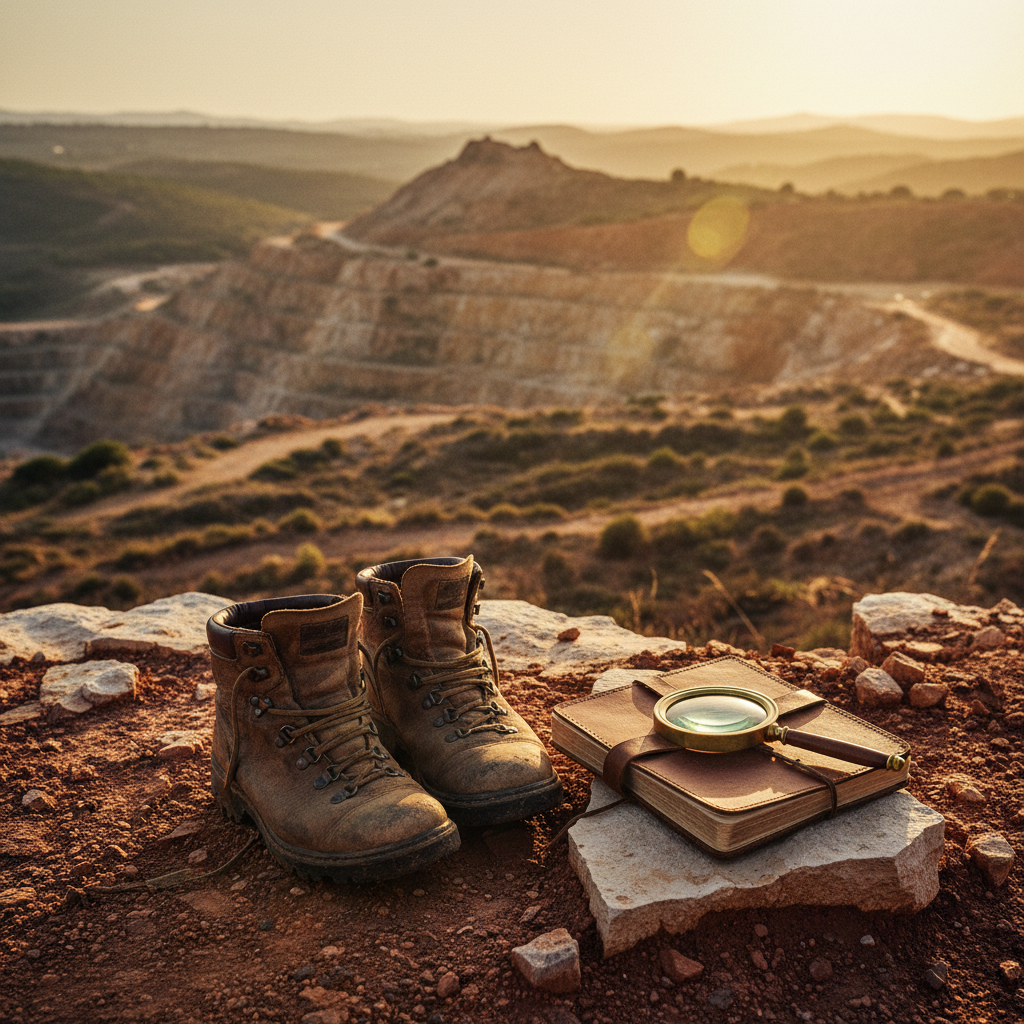
Discover the ancient soul of the Algarve hinterland, from the stunning mosaics of Roman Milreu to the dramatic red landscapes of Portugal’s mining heritage.
While the Algarve is globally celebrated for its sapphire waters and golden limestone cliffs, a more profound and ancient story resides just beyond the coastline. As one moves away from the Atlantic breeze, the landscape transforms into a dramatic palette of ochre and rust. This is the Algarve hinterland, a region where the red earth reveals a legacy of Roman ambition and industrial ingenuity.
For the discerning traveler, the interior of the Algarve offers a sophisticated alternative to the beach resorts. It is a place where history is not merely found in books but etched into the soil and stone. From the preserved grandeur of Roman villas to the hauntingly beautiful scars of ancient mines, this journey into the "Red Earth of the South" provides a rare perspective on the civilizations that shaped the Iberian Peninsula.
## The Roman Legacy: Milreu and the Splendor of Antiquity
The Roman presence in the Algarve, then known as the province of Lusitania, was defined by wealth and agricultural bounty. Nowhere is this more evident than at the Ruins of Milreu, located near the charming town of Estoi.
### The Villa of Milreu
Milreu is considered one of the most important archaeological sites in Portugal. Originally a rustic villa in the 1st century AD, it evolved into a palatial residence by the 3rd century. What remains today is a captivating map of ancient high-end living. Visitors can trace the layout of the opulent peristyle gardens and the sophisticated thermal baths, which were once the center of social and political life for the local elite.
The most striking feature of Milreu is its exceptional collection of mosaics. These intricate works of art, featuring marine life and geometric patterns, have survived for nearly two millennia. The brilliance of the cobalt blues and earthy oranges remains vivid, a testament to the craftsmanship of the period. Adjacent to the villa sits the ruins of a Roman temple, later converted into an early Christian basilica, showcasing the layers of faith and history that define the region.
### The Roman Bridge of Tavira
Further east, the city of Tavira offers another glimpse into the Roman infrastructure. While the current bridge spanning the Gilão River underwent significant reconstruction in the 17th century, its origins are undeniably Roman. It served as a vital link on the Roman road connecting Faro (Ossonoba) to Castro Marim (Baesuris). Walking across these stones provides a tangible connection to the ancient travelers who once navigated the Algarve coastline under the Roman standard.
## The Aljustrel and Lousal Mining Corridor
The red hues of the soil are not merely aesthetic; they are indicative of the mineral wealth that has drawn empires to this land for centuries. To truly understand the ancient mining heritage, one must look toward the northern edge of the Algarve and into the Alentejo border, where the Iberian Pyrite Belt begins.
### The Ancient Extraction of Wealth
The Romans were master engineers, and they exploited the copper, silver, and gold deposits of the south with remarkable efficiency. The "Red Earth" refers to the gossan, or the iron-rich cap of the mineral deposits, which served as a beacon for ancient miners. Sites like Aljustrel have been worked since the Bronze Age, but it was the Romans who scaled the operations, using hydraulic systems and deep shafts to extract the wealth of the earth.
### The Lousal Mining Village
For those interested in the industrial evolution of the region, the Lousal Mining Village provides a curated look at this heritage. Though the mines themselves are no longer operational, the site has been preserved as a museum of industrial archaeology. It offers a poignant look at the life of the miners and the complex machinery required to tame the geology of the south. The contrast between the rugged, iron-clad landscape and the precision of the ancient and modern mining techniques is a highlight for any student of history.
## The Artisanal Traditions of the Hinterland
The heritage of the Algarve is not solely found in stone ruins but also in the living traditions that continue to flourish in the red-soiled hills. The Barrocal, the transitional zone between the coast and the mountains, is home to villages where life moves at a different pace.
### Loulé: The Heart of Craftsmanship
The town of Loulé serves as a cultural hub for the interior. Its Moorish-inspired market is a feast for the senses, but the true treasures are found in the workshops of the local artisans. Here, the traditions of copper work, basket weaving, and pottery are meticulously preserved. The red clay of the region is transformed into functional art, echoing the ceramic traditions introduced by the Romans and refined by the Moors.
### The Cork Forests of São Brás de Alportel
The hinterland is also home to the vast montados, or cork oak forests. Portugal is the world leader in cork production, and the Algarve’s interior plays a significant role in this industry. A visit to the hills around São Brás de Alportel reveals a landscape of gnarled, beautiful trees, their trunks stripped of bark in a sustainable cycle that has lasted for generations. This industry represents a harmonious balance between human enterprise and the natural world, a hallmark of the Portuguese countryside.
## Curating Your Journey Through the Ancient South
Exploring the Algarve hinterland requires a departure from the standard tourist routes. The roads are winding, and the most significant sites are often tucked away in quiet valleys or atop sun-drenched hills.
### The Advantages of Private Transportation
Navigating the rural interior is a sophisticated endeavor that is best experienced with the comfort and flexibility of a private vehicle. The transition from the coastal highways to the narrow, scenic lanes of the Barrocal is seamless when traveling in a premium Mercedes-Benz. A professional driver-guide provides more than just transit; they offer the historical context and local insights that turn a scenic drive into a deep dive into Portuguese heritage.
### Suggested Itinerary Highlights
A well-rounded exploration of the red earth might begin with a morning visit to the Milreu ruins while the light is soft on the mosaics. From there, a drive through the orange groves of Silves offers a chance to see the red sandstone castle that dominates the skyline. The afternoon could be spent exploring the mining heritage of the northern Algarve border or visiting the artisan studios of Loulé. This pace allows for spontaneous stops at family-owned tavernas where the flavors of the mountain, wild boar, citrus, and honey, take center stage.
## Planning Your Private Discovery
When preparing for a journey into the Algarve’s interior, consider the following:
- **Timing:** The spring and autumn months offer the most pleasant temperatures for exploring outdoor archaeological sites. The light during these seasons also highlights the dramatic colors of the red earth. - **Attire:** Comfortable footwear is essential for navigating the uneven stone paths of Roman ruins and the dusty trails of mining sites. - **Focus:** Choose whether you wish to emphasize Roman history, industrial heritage, or local crafts, as each path offers a distinct perspective on the region.
## Conclusion
The Algarve hinterland is a region of profound depth and quiet elegance. It invites the traveler to look beyond the sapphire sea and discover a landscape forged by fire, minerals, and the hands of ancient civilizations. In the red earth of the south, the echoes of the Roman Empire and the legacy of the earth’s riches create a narrative that is both educational and deeply moving.
To experience this storied landscape with the sophistication it deserves, a private tour is the ideal choice. Portugal Magik, with over 14 years of experience dedicated to discerning international travelers, provides the perfect vessel for this exploration. Our exclusive fleet of Mercedes-Benz vehicles and our professional English-speaking drivers ensure that your journey through the ancient Algarve is as comfortable as it is enlightening.
Speak with our team and discover how to turn this experience into reality.