Portuguese Gastronomy: 12 Dishes You Must Try
By Portugal Magik · Published 2026-05-02
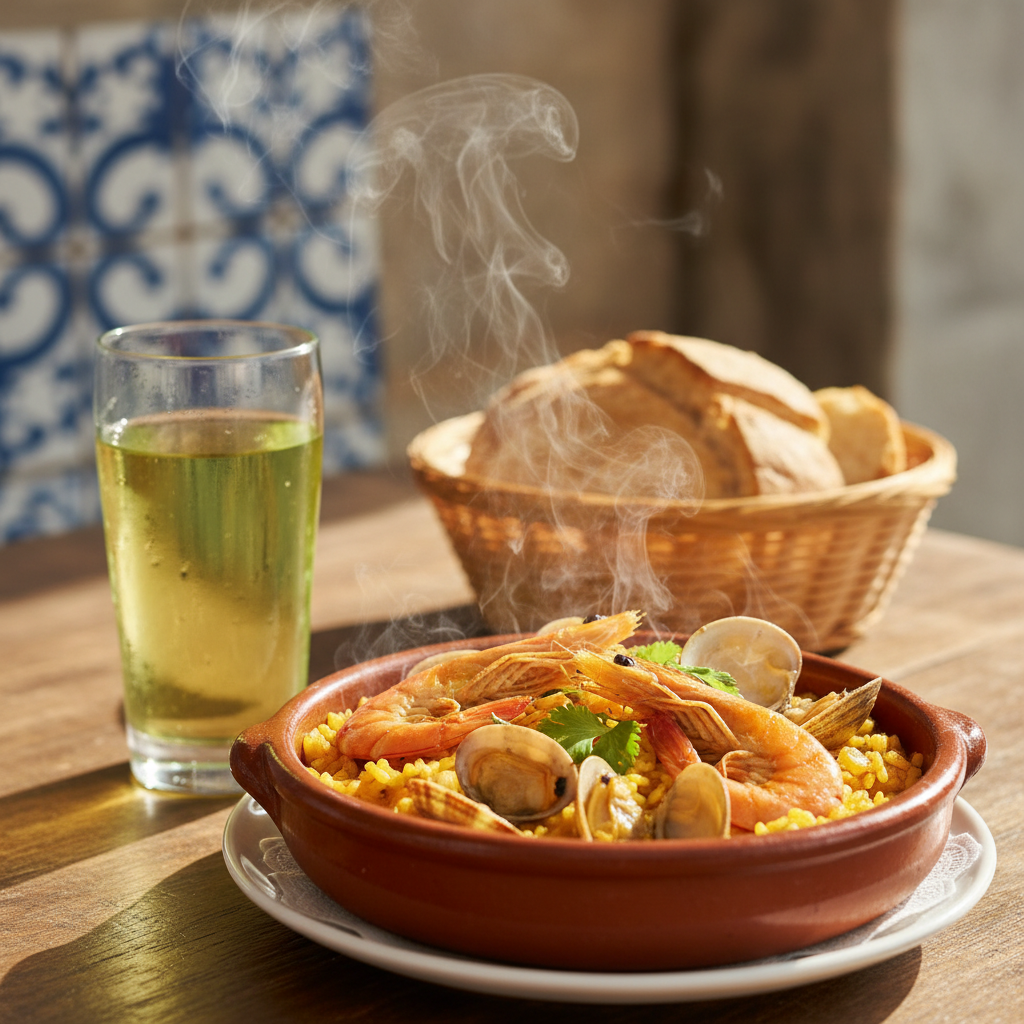
Discover the 12 essential dishes that define Portuguese gastronomy, from the coastal seafood of the Algarve to the rustic mountain flavors of the North.
Portuguese cuisine is a masterful narrative of history, geography, and soul. It is a kitchen defined by the Atlantic's salt spray, the sun-drenched plains of the Alentejo, and the ancient mountain traditions of the North. For the discerning traveler, dining in Portugal is not merely an act of sustenance but an exploration of heritage. The nation has remained remarkably faithful to its culinary roots, prioritizing the quality of the raw ingredient above unnecessary artifice.
To understand Portugal, one must taste it. From the sophisticated seafood houses of Cascais to the rustic, fireplace-warmed taverns of the Douro Valley, the diversity is immense. Here is an editorial guide to twelve essential dishes that define the Portuguese palate.
## The Bounty of the Atlantic
### 1. Bacalhau a Bras Often referred to as the faithful friend, codfish (bacalhau) is the undisputed king of the Portuguese table. While there are said to be more than 365 ways to prepare it, Bacalhau a Bras is perhaps the most elegant. Originating in the Bairro Alto district of Lisbon, it consists of shredded salt cod, thin matchstick potatoes, and onions, all bound together with creamy scrambled eggs. Garnished with black olives and fresh parsley, it is a quintessential comfort dish found in high-end traditional restaurants across the capital.
### 2. Arroz de Marisco Unlike the dry, toasted bottom of a Spanish paella, the Portuguese Arroz de Marisco is a rich, soupy rice dish. It is a celebration of the ocean, typically brimming with prawns, clams, mussels, and crab, all simmering in a fragrant broth of tomato, garlic, and fresh coriander. The quality of the shellfish is paramount, making this a staple of coastal regions like Peniche and the Algarve.
### 3. Polvo a Lagareiro This dish is a masterclass in simplicity and the importance of premium olive oil. The octopus is først boiled until tender and then roasted until the Atlantic tentacles are crisp at the edges. It is served submerged in a sea of golden, high-quality extra virgin olive oil, accompanied by "batatas a murro" (punched potatoes), which are roasted whole in their skins and lightly crushed to soak up the flavorful oil and garlic.
## The Traditions of the Hinterland
### 4. Cozido a Portuguesa For an immersion into the soul of Portuguese agriculture, one must experience the Cozido. This is a powerful, multilayered stew that varies by region. It typically includes an array of meats (beef, pork, and various sausages like chourico and morcela) alongside a garden of vegetables such as cabbage, carrots, and turnips. In the volcanic region of Furnas in the Azores, this dish is famously cooked underground using geothermal heat, though its mainland versions remain equally prestigious.
### 5. Carne de Porco Alentejana This intriguing surf-and-turf combination hails from the Alentejo region, though its origins are tied to the southern coast. It features tender cubes of pork marinated in white wine, paprika, and garlic, fried and then combined with fresh clams. The juxtaposition of the earthy, spiced pork with the briny sweetness of the clams creates a profile that is uniquely and undeniably Portuguese.
### 6. Leitao Assado da Bairrada In the central region of Bairrada, the art of roasting suckling pig has been perfected over centuries. The skin must be Exceptionally crisp, almost like glass, while the meat beneath remains incredibly succulent. It is traditionally seasoned with a paste of garlic and black pepper and roasted in wood-fired ovens. This is a destination dish, often accompanied by the sparkling wines of the region which cut through the richness of the meat.
## Regional Specialties and Modern Classics
### 7. Francesinha A visit to Porto is incomplete without encountering the Francesinha. This is an indulgent, multilayered sandwich inspired by the French croque-monsieur but reimagined with northern Portuguese bravado. It contains wet-cured ham, linguica, fresh sausage, and steak, covered with melted cheese and a hot, thick tomato and beer sauce. It is a bold, hearty dish that reflects the industrious spirit of Porto.
### 8. Alheira de Mirandela The Alheira is a sausage with a remarkable history, created by the Jewish population during the Inquisition to avoid detection by appearing to eat pork. Instead, these sausages were made with bread and poultry or game. Today, the Alheira de Mirandela is a protected delicacy, usually grilled or fried and served with a fried egg and greens, offering a delicate smoky flavor and a creamy texture.
### 9. Cataplana de Peixe Named after the copper vessel in which it is cooked, the Cataplana is the culinary icon of the Algarve. The hinged, clam-shaped pot acts as a pressure cooker, sealing in the moisture and aromas of the fish, peppers, onions, and white wine. Opening the Cataplana at the table releases a cloud of aromatic steam that is just as much a part of the experience as the meal itself.
## Sweet Finales
### 10. Pastel de Nata While many are familiar with these custard tarts, tasting an authentic one in Lisbon is a different experience entirely. The puff pastry must be incredibly flaky and crisp, while the custard should have a balanced sweetness, finished with a touch of cinnamon and powdered sugar. While the original recipe is a guarded secret in Belem, many high-end bakeries across the country produce exceptional versions.
### 11. Arroz Doce This traditional rice pudding is a staple of Portuguese family celebrations and sophisticated dessert menus. Unlike the baked versions found elsewhere, Portuguese Arroz Doce is cooked on the stovetop with lemon zest and cinnamon sticks, resulting in a creamy, velvety texture. It is almost always decorated with intricate lattice patterns of ground cinnamon.
### 12. Queijo da Serra da Estrela While not a cooked dish, no gastronomic survey of Portugal is complete without the king of Portuguese cheeses. Produced in the highest mountains of the country, this sheep's milk cheese is curdled using thistle flower. When ripe, the interior becomes so soft that the top is sliced off and the cheese is spooned out. It is a rich, pungent, and buttery experience that pairs beautifully with a glass of vintage Port.
## Navigating the Portuguese Dining Scene
For the discerning international traveler, dining in Portugal is an unhurried affair. Lunch usually occurs between 12:30 PM and 3:00 PM, while dinner rarely begins before 7:30 PM, with many of the most sought-after establishments peaking around 9:00 PM.
When entering a restaurant, you will often find an assortment of small plates already on the table, such as olives, bread, local cheeses, or octopus salad. These are the "couvert," and while they are not complimentary, they often provide a wonderful introduction to the local larder.
The wine culture is equally deep. Portugal boasts a vast array of indigenous grape varieties not found elsewhere. From the crisp and effervescent Vinhos Verdes of the north to the full-bodied reds of the Douro and the sophisticated whites of the Alentejo, there is always a perfect pairing for every dish mentioned.
## Discover Portugal with Local Expertise
To truly appreciate the nuances of Portuguese gastronomy, one must travel beyond the obvious. The most memorable meals are often found in hidden villages, coastal enclaves, and historic estates that require local knowledge to find.
Portugal Magik, with fourteen years of expertise in serving international travelers, offers the most refined way to navigate this culinary landscape. Our fleet of premium Mercedes-Benz vehicles, including E-Class sedans and spacious V-Class vans, ensures that your journey between the coast and the mountains is as comfortable as it is scenic.
Our professional English-speaking drivers act as your local hosts, providing the logistical ease that allows you to focus entirely on the flavors and culture of the country. Whether you wish to explore the seafood heritage of the Lisbon coast or the robust meat traditions of the northern interior, a private car service provides the flexibility to follow your palate wherever it may lead.
The beauty of a private tour lies in the freedom it affords. There is no need to worry about navigation or parking in ancient city centers. Instead, you can enjoy a leisurely lunch accompanied by a exquisite local wine, knowing your driver is waiting to take you to your next destination in safety and style.
Speak with our team and discover how to turn this culinary journey into a reality. Request your personalized proposal today.