The Needle and the Nobility: A Private Connoisseur’s Guide to the Ancestral Linen and Viana Embroidery of the Lima Valley
By Portugal Magik · Published 2026-09-20
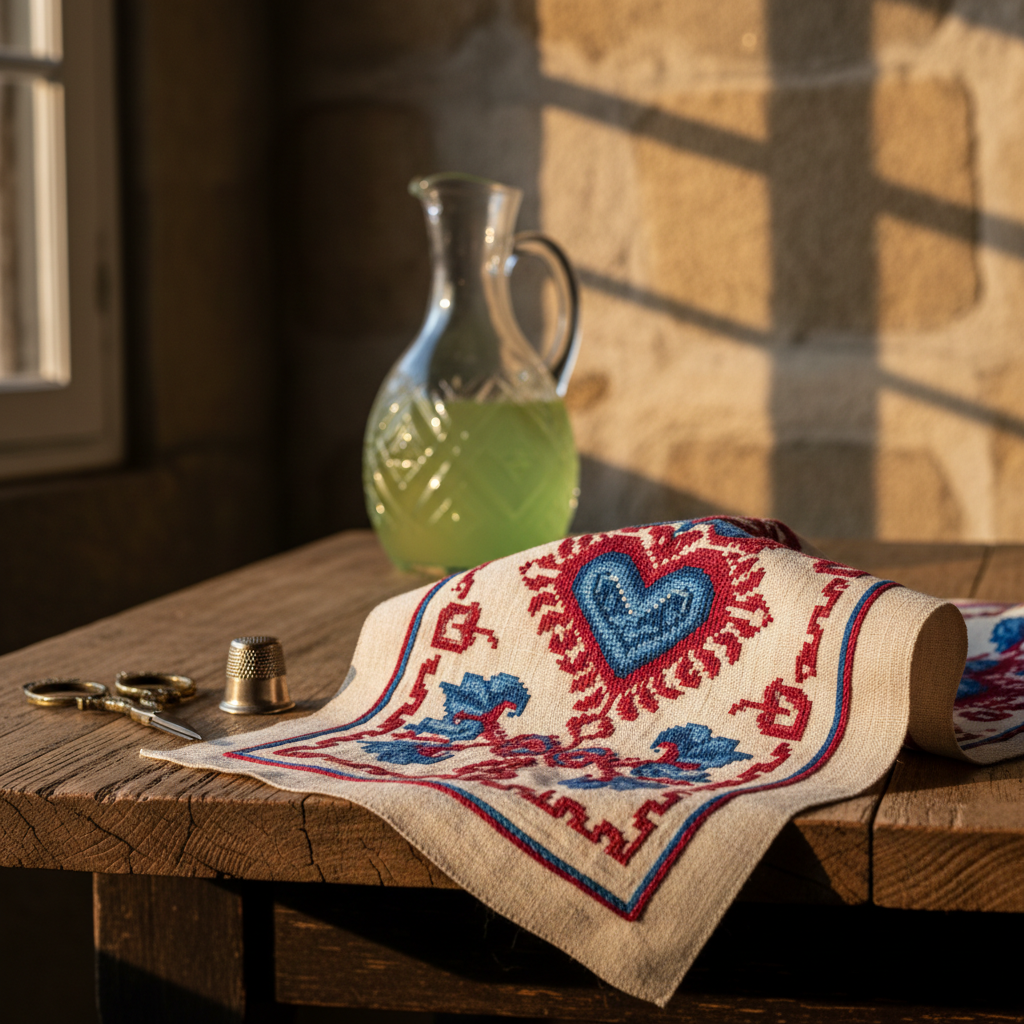
Explore the exquisite world of Viana embroidery and ancestral linens in Portugal's Lima Valley. Discover the history, symbolism, and premium craftsmanship of the Minho region.
The Lima Valley, a verdant corridor in Northern Portugal where the river flows gently toward the Atlantic, holds secrets far older than the modern republic. While the region is celebrated for its granite manor houses and crisp Vinho Verde, its most delicate legacy is found in the rhythmic movement of a needle through cloth. For the discerning traveler, the ancestral arts of Viana embroidery and the production of exquisite linens offer a profound window into the soul of the Minho. This is not merely craft, it is a preserved language of status, devotion, and feminine artistry that has survived for centuries within the walls of noble estates and rural cottages alike.
## The Fabric of History: The Evolution of Minho Linens
The story of textile excellence in the Lima Valley begins with the earth. For generations, the damp, fertile soil near the riverbanks provided the ideal conditions for growing flax. The process of transforming this sturdy plant into the soft, luminous fabric known as *linho* was a labor of immense patience. It involved harvesting, retting in the river, drying, and spinning, a cycle that dictated the rhythm of rural life.
Unlike mass-produced textiles, the traditional linen of Northern Portugal possesses a unique weight and texture. It is cool to the touch yet remarkably durable, gaining a beautiful luster with every wash. In the grand solar houses of Ponte de Lima and Viana do Castelo, these linens were the foundation of a family's prestige. A bride’s trousseau, or *enxoval*, was a years-long undertaking, consisting of dozens of hand-woven sheets, tablecloths, and towels, often marked with the family’s initials in delicate needlework.
## The Art of Viana Embroidery: A Vocabulary of Red and Blue
While the linen provides the canvas, the Viana embroidery provides the soul. This specific style of needlework is globally recognized for its vibrant patterns and rigorous technical standards. Traditionally, the embroidery featured two primary palettes: a bold, passionate red (used for festive attire and young women’s garments) and a deep, serene blue (associated with mourning or older age).
### The Symbology of the Stitch
To the uninitiated, the patterns may seem like simple floral motifs. However, every stitch in a certified piece of Viana embroidery carries meaning. The "Heart of Viana" (*Coração de Viana*) is perhaps the most iconic, representing the cult of the Sacred Heart of Jesus, though it has evolved into a symbol of universal love and regional identity. You will also find stylized camellias, daisies, and vine leaves, each representing the natural abundance of the Lima Valley.
### Technical Mastery
The complexity of these pieces lies in the variety of stitches employed. From the raised satin stitch that gives the flowers their three-dimensional quality to the intricate openwork known as *crivo*, the level of detail is breathtaking. A single tablecloth can take several months of full-time work to complete, as the artisans must ensure that the "reverse" side of the embroidery is as neat and beautiful as the front.
## The Manor Houses and the Preservation of Tradition
The preservation of these arts is inextricably linked to the Portuguese nobility and the landed gentry of the North. The Lima Valley is famous for having the highest concentration of manor houses in Portugal. Many of these estates, such as those found along the famous "Route of the Manor Houses" in Ponte de Lima, have kept their ancestral linens in pristine condition.
Visiting this region offers an opportunity to observe how these textiles were integrated into daily life. In the formal dining rooms of granite estates, the heavy linen cloths serve as a backdrop for Vista Alegre porcelain and family silver. It is here that one understands the true value of the "needle and the nobility." The craft was supported by the patronage of these families, who commissioned the finest work from local seamstresses, ensuring the survival of the techniques through the lean years of the 20th century.
## A Journey Through the Lima Valley
A refined exploration of this heritage typically begins in the coastal city of Viana do Castelo before heading inland toward the ancient town of Ponte de Lima.
### Viana do Castelo: The Gateway to the Craft
In Viana, the Museum of Costume (Museu do Traje) offers an essential introduction. Here, the traditional "Lavradeira" costumes are displayed in all their glory. These outfits, once worn by village women for pilgrimages and festivals, are masterpieces of textile art, featuring heavy wool skirts, linen shirts with embroidered sleeves, and the famous gold filigree jewelry.
### Ponte de Lima: The Heart of the Valley
As you travel east along the river, the landscape becomes more intimate. Ponte de Lima, claimed to be the oldest villa in Portugal, is a sanctuary for traditional crafts. The local markets and small boutiques often feature certified linen products. Discerning visitors look for the "Product of Origin" certification, which guarantees that the linen was produced using traditional methods and that the embroidery follows the historical patterns of the region.
## The Modern Connoisseur: Collecting and Appreciation
For the modern collector, acquiring a piece of Viana embroidery or hand-loomed Lima linen is an investment in cultural heritage. Because these items are hand-made, no two pieces are identical. When selecting a piece, consider the following attributes:
* **The Weight of the Linen:** Authentic hand-loomed linen has a characteristic "slub" or slight irregularity in the weave that machine-made fabrics lack. * **The Density of the Stitch:** High-end embroidery features very tight, consistent stitches. There should be no loose threads or gaps in the satin stitch. * **The Certification Tag:** Look for the official seal of the *Certificação de Artesanato Regional*, which ensures the piece meets the historical and quality standards of the Minho region.
## Navigating the Region with Comfort and Ease
Exploring the hidden workshops and grand estates of the Lima Valley requires a thoughtful approach to travel. The roads winding through the valley are scenic but narrow, and the most authentic experiences are often found tucked away in small villages like Santa Marta de Portuzelo or Cardielos.
Travelers seeking a premium experience often prefer the convenience of a professional driver who understands the local geography and the cultural significance of the destinations. Having a dedicated vehicle allows for a flexible schedule, perhaps spending an extra hour at a museum or stopping spontaneously at a roadside workshop where the sound of a loom can still be heard.
## The Lasting Appeal of the Minho
The allure of the Lima Valley lies in its ability to remain steadfast in its traditions while the rest of the world moves at an exhausting pace. The sight of a master embroiderer at work, her glasses perched on her nose as she executes a perfect *ponto de grilhão* (chain stitch), is a reminder of the value of slow, deliberate creation.
The ancestral linen and Viana embroidery are more than just souvenirs. They are tangible links to a past where quality was measured in decades, not seasons. To touch these fabrics and witness the skill required to decorate them is to appreciate a form of nobility that transcends social rank, it is the nobility of the craft itself.
## Practical Information for the Discerning Traveler
* **Best Time to Visit:** The spring and early autumn months offer the most pleasant weather for exploring the valley and the manor gardens. * **Cultural Events:** The *Romaria de Nossa Senhora da Agonia* in Viana do Castelo (August) is the premier event to see traditional costumes and embroidery in a festive, living context. * **Regional Specialties:** While focusing on textiles, do not miss the chance to sample the local *Loureiro* wine, a white grape variety that reaches its peak expression in the Lima Valley.
The journey through the Lima Valley is one of texture, color, and quiet elegance. It is a path that leads away from the familiar tourist trails and into the heart of Portuguese identity, where the needle and the thread continue to weave the story of a nation.
To explore the rich textile heritage and noble estates of Northern Portugal with the comfort of a private Mercedes-Benz fleet and the expertise of a professional team, contact Portugal Magik. Speak with our team and discover how to turn this experience into reality.