The Monastic Triangle: A Private Connoisseur’s Guide to the Gothic Grandeur of Alcobaça, Batalha, and Tomar
By Portugal Magik · Published 2026-05-16
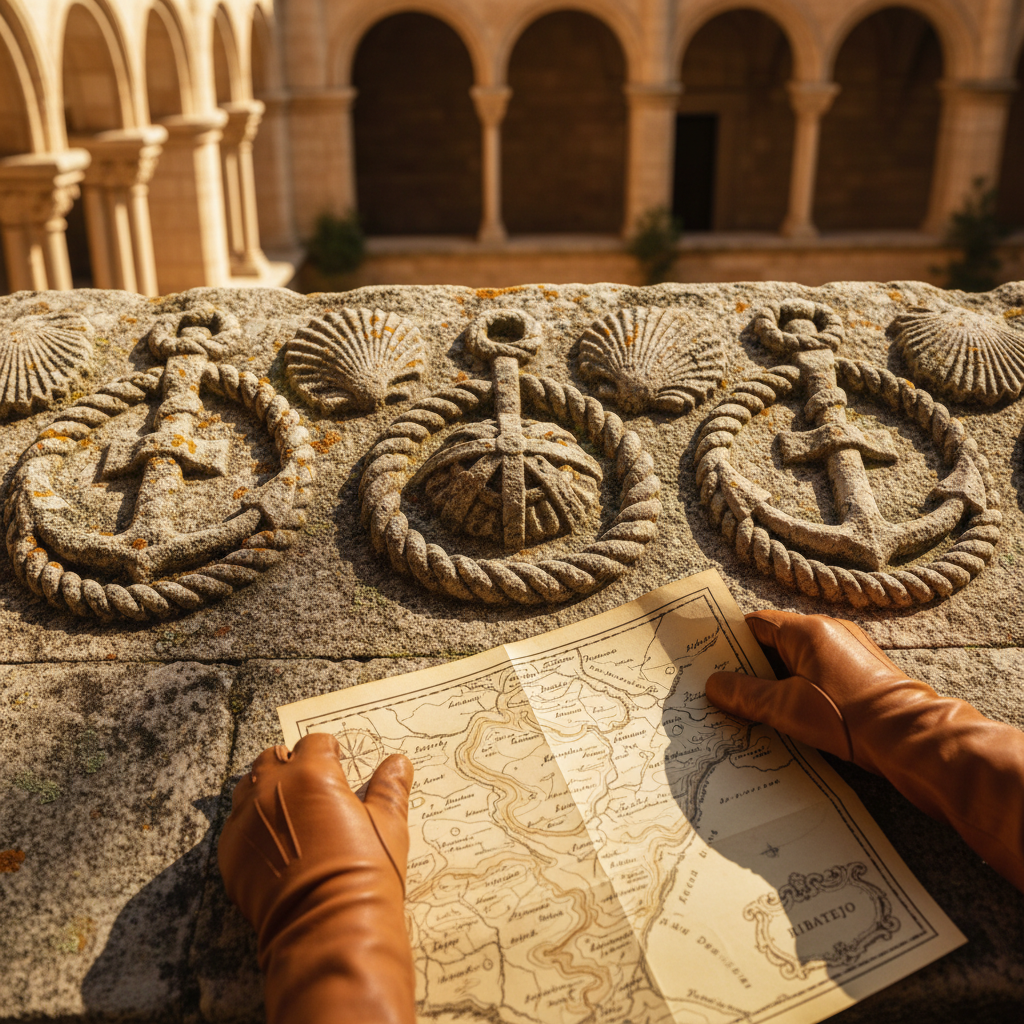
Discover the architectural wonders of the Monastic Triangle: Alcobaça, Batalha, and Tomar. A premium guide to Portugal's UNESCO Gothic and Manueline masterpieces.
Central Portugal holds a secret known to historians and architectural aficionados alike: a geographical triad of monuments so significant they are designated as UNESCO World Heritage sites. This region, often referred to as the Monastic Triangle, is home to the Monastery of Alcobaça, the Monastery of Batalha, and the Convent of Christ in Tomar. Together, these structures represent the pinnacle of Portuguese Gothic, Manueline, and Renaissance aesthetics.
For the discerning traveler, exploring these sites is more than a sightseeing exercise. It is a journey through the evolution of a nation, from the founding of the Cistercian order to the Age of Discovery. Traveling through this landscape requires a pace that respects the gravity of the history on display, ideally from the comfort of a high-end vehicle that allows the transition between centuries to be as seamless as possible.
## Alcobaça: The Purity of Cistercian Grandeur
The journey often begins at the Mosteiro de Alcobaça, a masterpiece of 12th century Cistercian architecture. Founded by King Afonso Henriques, the first King of Portugal, the monastery was a gift to Saint Bernard of Clairvaux. Its scale is breathtaking, featuring the first and largest Gothic building in the country.
### The Architecture of Silence The Church at Alcobaça is celebrated for its verticality and austere beauty. The absence of colorful ornamentation, true to the Cistercian philosophy of simplicity, focuses the eye on the rhythm of the arches and the play of light against the pale limestone. It is a space designed for contemplation, where the echoes of ancient chants seem to linger in the rafters.
### A Royal Romance in Stone Within the transept lie the intricately carved tombs of King Pedro I and Inês de Castro. Their tragic love story is the most famous in Portuguese history. The detail on these sarcophagi is extraordinary, showcasing a level of craftsmanship that rivals any funerary art in Europe. To stand before these monuments is to witness a tribute to a love that transcended death itself.
## Batalha: A Symphony of Lace and Light
A short distance north lies the Mosteiro da Batalha, officially known as the Monastery of Saint Mary of the Victory. It was commissioned by King João I to mark the crucial Portuguese victory over the Castilians at the Battle of Aljubarrota in 1385. If Alcobaça represents austere purity, Batalha represents the exuberant evolution of the Gothic style into the uniquely Portuguese Manueline aesthetic.
### The Manueline Marvel The Unfinished Chapels (Capelas Imperfeitas) at Batalha are perhaps the most evocative structures in the country. These roofless chapels, open to the Portuguese sky, feature lace-like stone carvings of incredible complexity. The portal of the chapels is a triumph of the Manueline style, incorporating motifs of the sea, ropes, and exotic flora, reflecting the maritime ambitions of the era.
### The Founder’s Chapel The Chapel of the Founder serves as the first royal pantheon in Portugal. Under an elegant octagonal lantern, the joint tomb of King João I and his English queen, Philippa of Lancaster, sits in quiet dignity. The alliance between Portugal and England, the oldest in the world, is physically manifested here in the blending of architectural traditions.
## Tomar: The Legacy of the Knights Templar
The final vertex of the triangle brings travelers to the storied city of Tomar, home to the Convent of Christ (Convento de Cristo). This site was the headquarters of the Knights Templar and, subsequently, the Order of Christ. It is a labyrinthine complex that spans five centuries of construction, merging military fortification with spiritual sanctuary.
### The Charola: A Circular Sanctuary The heart of the convent is the Charola, the 12th century round church modeled after the Holy Sepulchre in Jerusalem. Its interior is a vibrant explosion of gold, polychrome statues, and frescoes. The circular layout allowed knights to attend mass on horseback, a vivid reminder of the order’s dual nature as both monks and warriors.
### The Famous Manueline Window On the western facade of the Chapter House sits the legendary Manueline Window. This masterpiece of stone carving is an icon of Portuguese identity. It is adorned with maritime symbolism, including corals, ropes, and the Order of Christ's cross, all anchored by the figure of an old man, often interpreted as the sea god Neptune or a master stonemason. Seeing this window in person provides a profound understanding of how the Portuguese perceived their role in the world during the 15th and 16th centuries.
## The Art of Seamless Travel
Navigating the Monastic Triangle is an exercise in appreciating the details. The distance between these sites is relatively short, yet the transition between them is best enjoyed without the distractions of public transport or the stresses of self-navigation.
For international travelers seeking a premium experience, the ability to transition from the silent cloisters of Alcobaça to the opulent carvings of Tomar in a climate-controlled, high-end vehicle is essential. It provides a sanctuary where one can reflect on the historical narratives shared by a knowledgeable guide, ensuring that the nuances of each site are fully understood.
### Planning Your Excursion While it is possible to visit all three sites in a single day, a more contemplative approach is often preferred. Starting early in the morning allows for a quiet experience at Alcobaça before moving on to the intricate details of Batalha. A refined lunch in the historic center of Tomar serves as the perfect midpoint before spending the afternoon exploring the vast grounds of the Convent of Christ.
### Practical Considerations * **Attire:** These are active religious and historical sites; modest and comfortable attire is recommended. * **Accessibility:** Many areas involve uneven stone floors and steps. Professional guidance ensures the most accessible routes are chosen. * **Timing:** Mid-week visits are often quieter, allowing for a more intimate connection with the monuments.
## Why This Region Defines Portugal
The Monastic Triangle is not merely a collection of old buildings; it is the physical record of the Portuguese spirit. In Alcobaça, we see the foundation of the state; in Batalha, the preservation of independence; and in Tomar, the ambition that led a small nation to reach the ends of the earth.
To visit these sites is to understand why Portugal remains a destination of such deep cultural resonance. For those who appreciate the finer points of history and architecture, this region offers a journey that is as intellectually stimulating as it is aesthetically pleasing.
## Discover the Heart of Portugal with Portugal Magik
Experience the grandeur of the Monastic Triangle with the expertise of a team dedicated to discerning international travelers seeking premium experiences. With 14 years of experience, Portugal Magik provides private transport in a curated Mercedes-Benz fleet, including E-Class and V-Class vehicles, ensuring your journey is as comfortable as it is enlightening.
Our professional English-speaking drivers serve as your hosts, offering flexibility and local insight that elevates a simple tour into a profound travel experience. Whether you are a history enthusiast or an architectural connoisseur, we provide the door-to-door service and refined environment necessary to truly appreciate the Gothic and Manueline treasures of Central Portugal.
Speak with our team and discover how to turn this experience into reality. Request your personalized proposal today.