Marvão and Castelo de Vide: A Two-Day Break in Portugal’s Hilltop Towns
By Portugal Magik · Published 2026-10-29
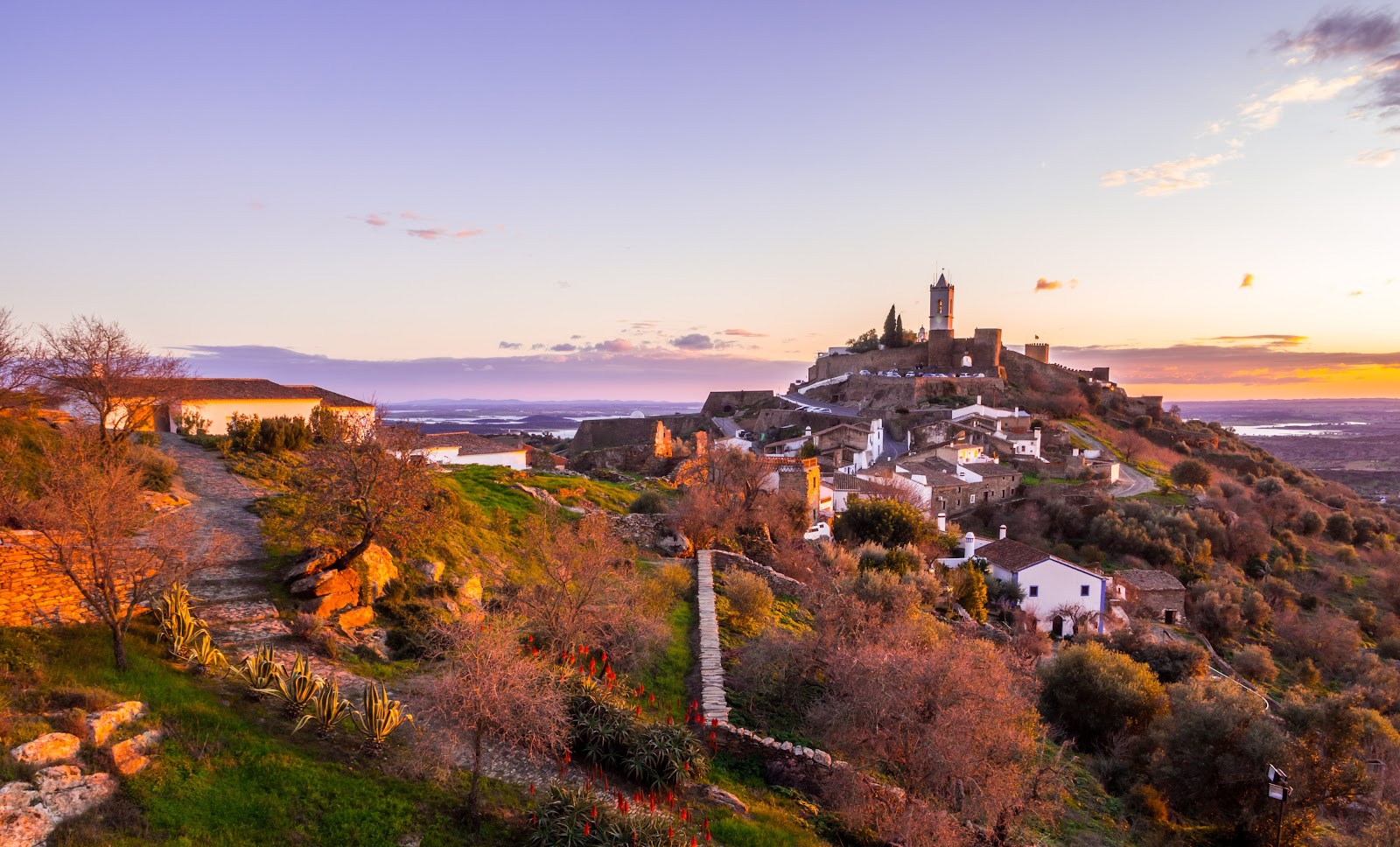
Discover the medieval charm of Marvão and Castelo de Vide, two stunning hilltop towns in the Alentejo region perfect for a two-day historical escape.
Imagine standing atop a granite peak, the wind whistling through ancient stone battlements while the entire Alentejo plain stretches out below like a golden patchwork quilt. The air here is thin and crisp, smelling of wild rosemary and woodsmoke. This is the High Alentejo, a region where time seems to have paused, allowing the medieval spirit of Portugal to remain perfectly intact.
Marvão and Castelo de Vide are two neighboring towns that capture the essence of this rugged, beautiful frontier. While they are only a short drive apart, each offers a distinct personality. Marvão is a silent, eagle nest fortress perched 860 meters above sea level, while Castelo de Vide is a lush, spring-fed town famous for its Jewish heritage and white-washed alleys. Together, they form the perfect two-day escape for travelers who want to step away from the coastal crowds and experience the quiet nobility of the Portuguese interior.
## Day One: The Eagle Nest of Marvão
Arrival in Marvão feels like reaching the end of the world, in the best possible way. The road snakes upward through thick groves of cork oaks and chestnut trees until the massive stone walls of the village appear, seemingly carved directly out of the mountain itself. There is a profound silence here, broken only by the occasional chime of a church bell or the sound of your own footsteps on the polished cobblestones.
### The Castle and the Endless View
The crown jewel of the village is the Castelo de Marvão. Walking along the broad perimeter walls, you can see all the way into Spain on one side and deep into the heart of Portugal on the other. The castle garden is a masterpiece of geometric hedges and vibrant flowers that contrast sharply with the grey stone. It is a place for slow contemplation, where the light at sunset turns the distant hills into layers of deep purple and orange.
### Wandering the Medieval Alleys
Below the castle, the village is a maze of narrow streets where every house is meticulously white-washed. You will notice the Manueline doorways, ornate stone carvings from the 16th century that signal the town’s former wealth. Small, family-run craft shops tucked into arched alcoves sell high-end cork products and traditional embroidery. The atmosphere is intimate and village-like, inviting you to peek into tiny courtyards filled with potted geraniums.
### Regional Flavors of the Highlands
Dining in Marvão is an exercise in hearty, rustic traditions. The region is famous for its chestnuts, which find their way into everything from savory soups to sweet pastries. You might find slow-roasted lamb seasoned with local herbs or "migas," a traditional bread-based dish often served with pork. These meals are best enjoyed in a small tavern where the fireplace provides a cozy backdrop to the robust flavors of the Alentejo highland wines.
## Day Two: The Garden of the Alentejo
After a morning coffee overlooking the valley, a short descent leads you to Castelo de Vide. If Marvão is a stoic fortress, Castelo de Vide is its romantic, softer sibling. Known as the "Sintra of the Alentejo," this town is famous for its abundance of natural springs and lush greenery. The sound of running water follows you as you explore the town, providing a refreshing soundtrack to your walk.
### The Historic Jewish Quarter
Castelo de Vide is home to one of the best-preserved Jewish Quarters in Portugal. The Judiaria is a steep, atmospheric neighborhood of narrow lanes cascading down the hillside. Many of the stone doorframes still bear the small indentations where Mezuzahs were once placed. Visiting the small museum housed in the medieval Synagogue offers a poignant look into the lives of the Sephardic community that once flourished here. It is a quiet, evocative space that feels deeply connected to the past.
### The Fountain of Vila and the Castle
At the heart of the lower town sits the Fonte da Vila, a grand 16th-century marble fountain. The water is cold and pure, and locals still gather here just as they have for centuries. From the fountain, you can walk up toward the town’s own castle. While less vertical than Marvão, the fortifications here offer a beautiful vantage point over the red-tiled roofs of the town and the surrounding forest. The inner courtyard of the castle often feels like a secret garden, hidden away from the modern world.
### Nature and the Megalithic Past
The area surrounding these two towns is scattered with prehistoric history. The Alentejo is famous for its menhirs and dolmens, massive standing stones that predate the Roman occupation. A short drive into the countryside reveals the Meada Menhir, the largest single standing stone on the Iberian Peninsula. Standing beside this four-meter-tall monolith in the middle of a quiet field is a humbling experience, connecting you to the ancient people who first called these hills home.
## Planning Your High Alentejo Break
Visiting this region requires a different pace of travel. The roads are winding and scenic, and the rewards come to those who are willing to slow down and notice the details.
### When to Visit
Spring is arguably the most beautiful time to visit, as the hillsides are covered in wildflowers and the temperatures are mild for walking. Autumn is equally stunning when the chestnut trees turn gold and the harvest season brings fresh flavors to the local tables. Summers can be quite warm, though the altitude of Marvão usually provides a welcome breeze compared to the lower plains. Winters are crisp and clear, perfect for those who enjoy the smell of woodsmoke and the sight of mist settling in the valleys.
### Getting There and Around
While these towns feel remote, they are easily accessible from Lisbon. The drive takes about two and a half to three hours, transitioning from the busy Atlantic coast to the rolling oak forests of the interior. Having a vehicle is essential for exploring the hidden corners, prehistoric sites, and scenic viewpoints that connect Marvão and Castelo de Vide. The roads are well-maintained but can be narrow and steep as you approach the fortifications.
### Where to Stay
There are several high-end options for accommodation that respect the historical integrity of the region. You might choose a renovated convent with thick stone walls and quiet cloisters, or a boutique guesthouse within the walls of Marvão itself. Staying inside the old fortifications allows you to experience the magic of the towns after the day-trippers have left, when the streetlights cast long shadows on the cobblestones and the stars shine brightly above the dark peaks.
## Discover the Magic of the Borderlands
Marvão and Castelo de Vide represent the soul of the Portuguese frontier. They offer a rare combination of military might, religious history, and natural beauty. Whether you are leaning against a thousand-year-old wall in Marvão or drinking from a marble fountain in Castelo de Vide, you are participating in a way of life that has remained unchanged for generations.
Exploring these hilltop treasures is most comfortable when you don't have to worry about the logistics of the mountain roads or finding the best route between historic sites. Our team at Portugal Magik has 14 years of experience guiding discerning international travelers through the most beautiful corners of the country. We provide premium transport in a modern Mercedes-Benz fleet, led by professional English-speaking drivers who ensure your journey is as smooth as it is memorable.
If you are ready to trade the busy city for the serene heights of the High Alentejo, we are here to help. Speak with our team and discover how to turn this experience into reality. Request your personalized proposal today.