The Luminous Shore: A Private Connoisseur’s Guide to the Coastal Nobility and Artisanal Heritage of Eastern Algarve and Tavira
By Portugal Magik · Published 2026-07-24
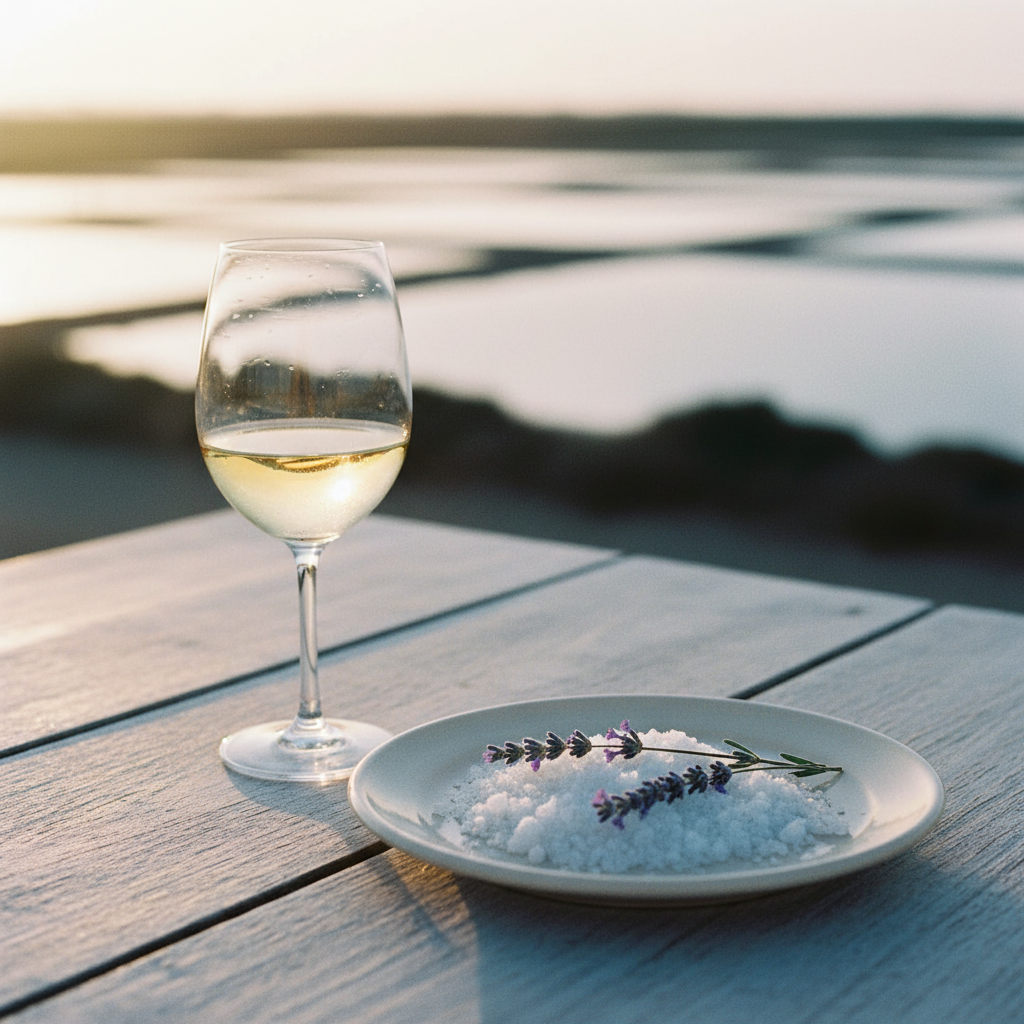
Discover the refined beauty of the Eastern Algarve and Tavira, a region celebrated for its architectural nobility, artisanal traditions, and the serene Ria Formosa.
The eastern reaches of the Algarve offer a distinct contrast to the bustling resorts of the central coast. Here, the light possesses a singular clarity, reflecting off salt pans and the gentle waters of the Ria Formosa. This is a region defined by an understated nobility, where history is etched into the white-washed walls of Tavira and the pace of life remains tethered to the tides. For the discerning traveler, the Eastern Algarve represents a sophisticated retreat into authentic Portuguese culture, artisanal excellence, and serene natural beauty.
## The Architectural Elegance of Tavira
Often referred to as the city of churches, Tavira is perhaps the most architecturally significant town in the Algarve. Its silhouette is characterized by the unique tesoura (scissor) roofs, a multi-gabled design that allowed for ventilation and signaled the prosperity of its merchant class during the Age of Discovery.
Walking through the historic center feels like navigating a living museum. The Roman Bridge, although rebuilt in the 17th century, remains a focal point, spanning the Gilão River and connecting the two halves of this graceful city. To explore Tavira is to appreciate the layer upon layer of history, from Phoenician excavations to Moorish fortifications. The town retains a quiet dignity, eschewing the flashier elements of modern tourism in favor of a refined, traditional atmosphere.
### The Sacred Art of the East
With over thirty churches within its limits, Tavira offers a wealth of religious art and architecture. The Igreja da Misericórdia, with its stunning Renaissance portal and interior lined with blue and white azulejos (tiles) depicting the 14 acts of mercy, is a highlight for those with an eye for historical detail. These spaces are not just monuments; they are repositories of the region’s cultural identity and artisanal spirit.
## Ria Formosa: A Sanctuary of Stillness
The landscape of the Eastern Algarve is dominated by the Ria Formosa Natural Park, a labyrinth of lagoons, marshes, and barrier islands that stretches for 60 kilometers. This ecosystem is a testament to the region’s commitment to preserving its natural heritage.
For those who appreciate the quietude of nature, the salt pans (salinas) outside Tavira are a sight of minimalist beauty. Here, the ancient craft of harvesting Flor de Sal, the cream of the salt, continues to this day. This "white gold" is prized by chefs worldwide for its delicate crystal structure and mineral complexity. Observing the traditional hand-harvesting methods provides a deep connection to the land and the artisanal traditions that have sustained this coastline for centuries.
### The Barrier Islands: Ilha de Tavira and Beyond
The coast is protected by a series of sandy islands, accessible via a short ferry ride or a charming miniature train at Barril Beach. These islands offer vast stretches of golden sand and crystalline waters, often far removed from the crowds found further west. The Anchor Cemetery (Cemitério das Âncoras) at Barril stands as a poignant, haunting monument to the once-thriving tuna fishing industry, with hundreds of rusted anchors resting in the dunes like a sculptural installation.
## Artisanal Heritage and the Spirit of Craft
Beyond the coastal views, the Eastern Algarve is home to a rich tradition of craftsmanship. The heritage of the region is found in the weave of a basket, the shape of a ceramic vessel, and the intricate patterns of a hand-woven rug.
In the small villages surrounding Tavira, such as Santa Catarina da Fonte do Bispo, the production of terracotta tiles and bricks remains a vital industry. These materials define the Mediterranean aesthetic, providing the warm, earthy tones that characterize the local architecture. Discerning visitors often find great reward in seeking out these local workshops, where techniques passed down through generations are used to create contemporary pieces that honor the past.
### The Gastronomy of the Ria
The culinary identity of the Eastern Algarve is deeply rooted in the treasures of the estuary and the ocean. Unlike the more international dining scenes found elsewhere, the focus here is on the purity of ingredients. Octopus from Santa Luzia, known as the "octopus capital" of the region, is prepared with a devotion to simplicity that highlights its natural flavor. Clams, oysters, and razor clams from the Ria Formosa are staples of a diet that is as healthy as it is sophisticated.
## Practical Considerations for the Discerning Traveler
Visiting the Eastern Algarve requires a shift in mindset. It is a destination that rewards patience and a slower pace.
* **When to Visit:** The months of May, June, September, and October offer a perfect balance of mild weather and soft light, ideal for photography and exploration without the summer heat. * **Arrival:** Most international travelers arrive via Faro International Airport. From there, a private transfer is the most seamless way to reach the quiet enclaves of the east. * **The Experience of Motion:** While the region is compact, the true beauty of the Algarve is found in the transitions, the drive between a hilltop village and a coastal salt pan. Utilizing a professional driver service ensures that the logistics of navigation do not distract from the visual poetry of the landscape.
## Exploring the Hinterland: Castro Marim and Vila Real de Santo António
To the east of Tavira, near the Spanish border, lies the town of Castro Marim. Dominated by two impressive fortifications, the medieval castle and the star-shaped Fort of São Sebastião, it offers breathtaking views over the river Guadiana. This area is steeped in the history of the Order of Christ and serves as a reminder of the strategic importance this coast once held.
Further south, at the mouth of the river, sits Vila Real de Santo António. Built in the late 18th century by the Marquis of Pombal, the town features a distinctive Enlightenment-era grid pattern, mirroring the architecture of Lisbon’s Baixa district. Its grand plaza, the Praça Marquês de Pombal, is a masterpiece of symmetrical design, lined with orange trees and elegant facades.
## A Legacy of Excellence in Motion
Navigating the nuances of the Eastern Algarve is best achieved with the freedom of a private vehicle and the insights of a professional who understands the local culture. For fourteen years, Portugal Magik has been dedicated to discerning international travelers seeking premium experiences across this beautiful nation.
Our commitment to excellence is reflected in our exclusive fleet of Mercedes-Benz vehicles, including the elegant E-Class, the versatile V-Class, and the spacious Sprinter. We believe that the journey is as important as the destination. Having a professional English-speaking driver allows you to immerse yourself fully in the landscape, moving at your own pace from the cobblestone streets of Tavira to the salt-white vistas of the Ria Formosa.
The Eastern Algarve is not a place for those in a hurry. It is a destination for the connoisseur of quiet moments, historical depth, and artisanal integrity. Whether you are retracing the steps of ancient mariners or simply watching the sun set over the lagoons, the experience is heightened when every detail of your transport is handled with care and sophistication.
To begin planning your refined exploration of the Luminous Shore, contact us to discuss your requirements. Speak with our team and discover how to turn this experience into reality.