The Loom and the Kiln: A Private Connoisseur’s Guide to the Noble Artisanal Heritage of the Alentejo Interior
By Portugal Magik · Published 2026-09-17
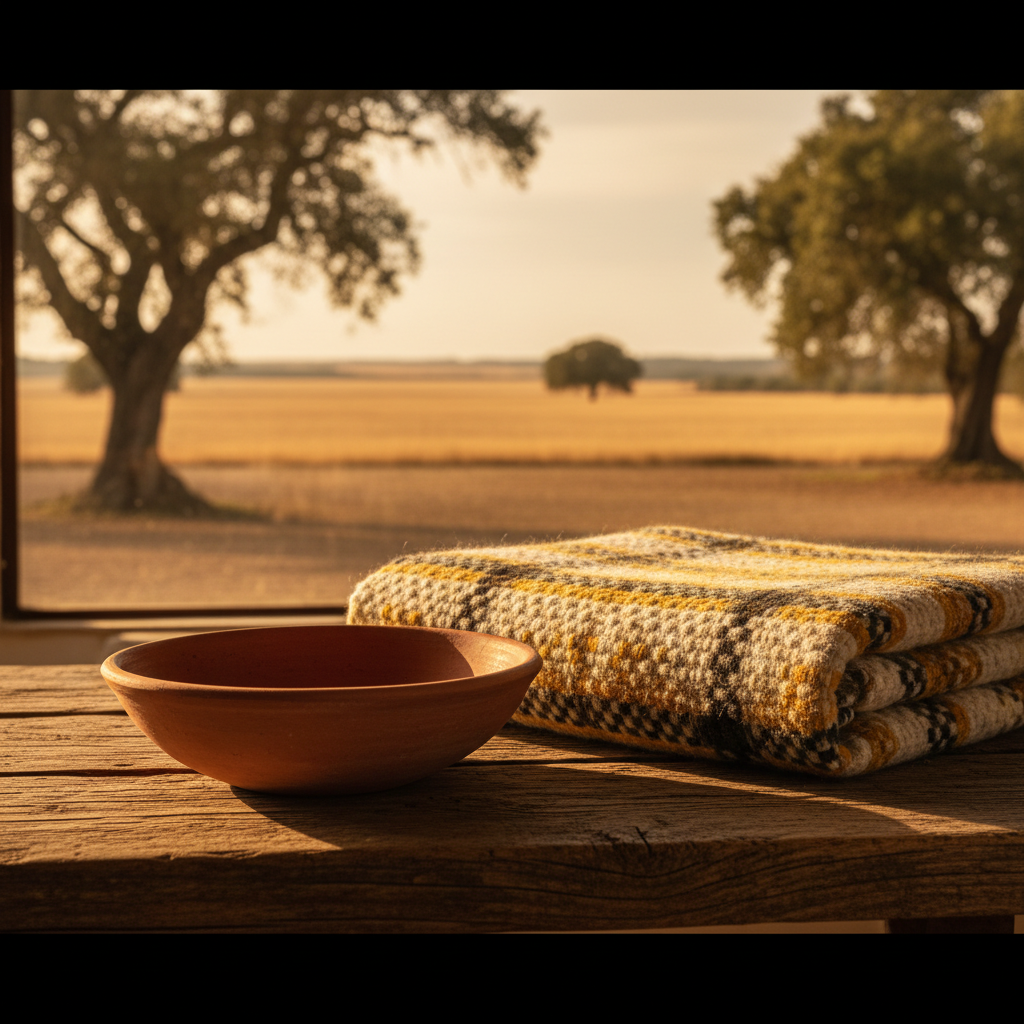
Discover the timeless craftsmanship of the Alentejo interior, from the hand-woven textiles of Reguengos to the historic pottery of S. Pedro do Corval, in this sophisticated guide to Portugal's noble artisanal traditions.
Beyond the undulating plains and the silver-green canopies of ancient olive groves lies the soul of the Portuguese interior. The Alentejo, a region often celebrated for its slow pace and vast horizons, holds within its whitewashed villages a heritage of craftsmanship that remains remarkably untouched by the frantic pace of modern industry. For the discerning traveler, this is not merely a landscape to be viewed from a window, but a living gallery of textures, colors, and ancient techniques.
To journey through the Alentejo interior is to witness the enduring legacy of the loom and the kiln. These are the twin pillars of a noble artisanal tradition that has defined the identity of the region for centuries. From the intricate weave of the Mantas de Reguengos to the rustic elegance of Alentejo pottery, every object tells a story of the land, the sheep, and the clay.
## The Art of the Warp and Weft: The Textiles of Reguengos
In the heart of the Alentejo, the town of Reguengos de Monsaraz serves as the custodian of one of Portugal’s most prestigious textile traditions. The wool industry here is not a relic of the past, but a vibrant, breathing art form. The local sheep, grazing on the sun-drenched pastures, provide the raw material that is transformed into the iconic Mantas de Reguengos.
### The Rhythms of the Loom
Walking into a traditional weaving workshop, one is immediately struck by the rhythmic percussion of the wooden looms. These machines, often passed down through generations, require a level of physical coordination and artistic intuition that cannot be replicated by modern technology. The weavers, masters of their craft, translate geometric patterns and earthy palettes into heavy wool blankets that were once the essential companions of Alentejo shepherds. Today, these textiles are sought after by international designers for their rustic sophistication and unparalleled durability.
### A Palette of the Earth
The colors of these weaves are a direct reflection of the surrounding landscape. The deep ochres, warm terracottas, and cooling blues are derived from the very soul of the Alentejo. For a visitor, observing the precision required to maintain the tension of the warp while ensuring the intricate patterns emerge flawlessly is a lesson in patience and dedication. It is a slow art, demanding hours of focused labor for just a few centimeters of fabric.
## The Fire and the Clay: The Pottery of S. Pedro do Corval
A short distance from the medieval heights of Monsaraz lies the village of S. Pedro do Corval. This unassuming hamlet holds the distinction of being the largest pottery center in the Iberian Peninsula. Here, the kiln is the center of gravity, and the scent of damp earth and woodsmoke hangs perpetually in the air.
### The Potter’s Wheel
The pottery of this region is characterized by its utilitarian beauty. Traditionally used for storing olive oil, water, or grain, the vessels are now prized for their aesthetic value. Watching a master potter at work is a hypnotic experience. With a simple kick of the wheel and a delicate touch of the hands, a formless lump of clay rises, curves, and transforms into a graceful amphora or a wide-rimmed bowl.
### Hand-Painted Narratives
Once the forms are dried and fired, they become canvases for the painters. The motifs are deeply rooted in the rural life of the Alentejo: sprigs of lavender, stalks of wheat, the silhouette of a shepherd, or the simple architecture of a country chapel. Each piece is hand-painted, ensuring that no two items are exactly alike. This manual process preserves the "imperfections" that signify true artisanal value, making each plate or jug a unique testament to the human hand.
## The Enduring Legacy of Arraiolos
Further west, the town of Arraiolos offers another dimension to the region’s textile heritage. Known globally for its exquisite hand-stitched rugs, Arraiolos represents the pinnacle of Alentejo needlework. The technique, which dates back to the 15th century, is believed to have been influenced by Persian rug-making methods, adapted and refined by Portuguese artisans over the centuries.
### A Stitch Through Time
The Arraiolos stitch is a specialized oblique cross-stitch performed on a linen or hemp canvas. The complexity of these rugs lies in their density and the intricacy of their patterns, which range from traditional Renaissance motifs to contemporary interpretations. A single large rug can take months of meticulous work to complete, making them prized heirlooms.
### The Social Fabric of Craft
Historically, these rugs were stitched by women in their homes or in small communal workshops, turning a domestic skill into a significant economic and cultural force. Today, visiting Arraiolos allows one to appreciate the quiet concentration of the embroiderers as they work in the shade of the town’s whitewashed alleys, their needles moving with a speed and precision born of decades of experience.
## Navigating the Alentejo Interior
Exploring these artisanal hubs requires a deliberate approach. The Alentejo is a vast region, and the most authentic workshops are often tucked away in small villages that are not easily accessible by public transport. The beauty of the journey lies in the transitions, the long stretches of golden plains between one artisanal discovery and the next.
### Seasonal Considerations
While the Alentejo is a year-round destination, the interior is perhaps most evocative during the spring and autumn. In the spring, the plains are carpeted in wildflowers, and the temperature is ideal for wandering through the villages. Autumn brings the harvest season, providing a different perspective on the region’s connection to the land.
### The Importance of a Guided Journey
To truly appreciate the nuances of Alentejo craftsmanship, one must go beyond the storefronts. Engaging with the artisans themselves, understanding the provenance of their materials, and seeing the process from raw material to finished product requires a level of local insight. Traveling with a private driver who understands the rhythms of the region ensures that the logistics are handled with the utmost care, allowing guests to focus entirely on the cultural immersion.
## The Portugal Magik Experience
At Portugal Magik, we have spent fourteen years perfecting the art of the private journey. We believe that the noble artisanal heritage of the Alentejo is best experienced without the distractions of navigating unfamiliar roads or adhering to a rigid group schedule.
Our fleet of premium Mercedes-Benz vehicles, including the elegant E-Class and the spacious V-Class, provides a sanctuary of comfort as you traverse the Alentejo interior. Our professional English-speaking drivers are more than just chauffeurs, they are dedicated to discerning international travelers seeking premium experiences. They provide the bridge between you and the local culture, ensuring a seamless flow from the potter’s wheel in S. Pedro do Corval to the looms of Reguengos.
Whether you are a collector of fine textiles or simply a lover of authentic human stories, the Alentejo interior offers a wealth of discovery. The silence of the plains, the warmth of the clay, and the texture of the wool create a sensory experience that stays with you long after the journey ends.
Speak with our team and discover how to turn this experience into reality.