Lisbon to Porto by Train: A First-Time Visitor’s Guide to Stations, Tickets and Luggage
By Portugal Magik · Published 2026-10-22
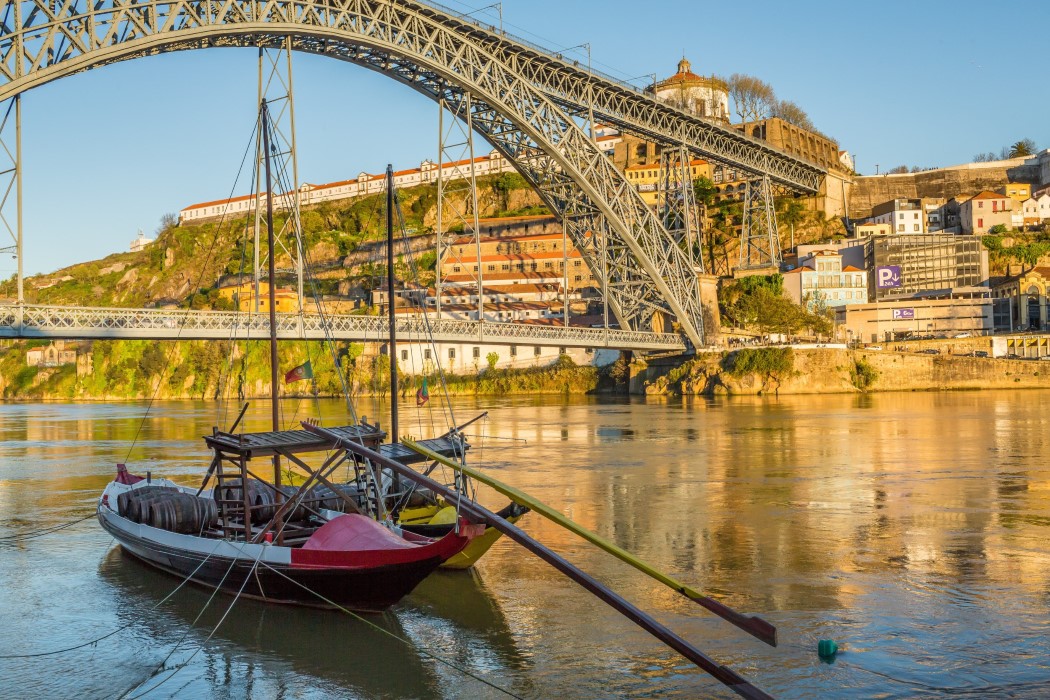
Navigate the train journey from Lisbon to Porto with ease. Learn about Alfa Pendular and Intercidades services, station locations, ticket booking, and luggage tips for first-time visitors.
Traveling between the two largest cities in Portugal is a rite of passage for many first-time visitors. The journey from Lisbon to Porto connects the sun-drenched, hilly capital with the atmospheric, riverside charm of the north. While the train is a popular choice for its speed and frequency, navigating a foreign rail system can feel a bit daunting if you do not know what to expect.
This guide covers everything you need to know about the train journey, from which stations to use to how to handle your luggage. By the end, you will have a clear picture of how the rail system works and how to decide if the train, or perhaps a more comfortable private option, is the right fit for your itinerary.
## Understanding the Train Services
In Portugal, the national rail company is called Comboios de Portugal, often abbreviated as CP. When traveling between Lisbon and Porto, you will primarily encounter two types of long-distance trains.
### Alfa Pendular (AP) This is the flagship high-speed train. It is a tilting train that travels at speeds up to 220 km/h. It is generally the fastest way to get between the cities, taking roughly two hours and 40 minutes. The Alfa Pendular offers two classes: Conforto (First Class) and Turística (Second Class). Conforto seats are wider, offer more legroom, and usually include a power outlet and a complimentary drink.
### Intercidades (IC) The Intercidades (Intercity) trains are slightly slower and make more stops along the route. The journey usually takes between three hours and three hours and 15 minutes. While not as modern as the Alfa Pendular, these trains are perfectly comfortable and often a bit more budget-friendly. They also offer first and second-class seating.
## Departure Stations in Lisbon
Lisbon has several train stations, but for the main line to Porto, you will likely start at one of two locations.
### Lisboa Oriente Located in the modern Parque das Nações district, Oriente is a stunning piece of architecture designed by Santiago Calatrava. It is the main hub for trains heading north. Most international travelers find this station convenient if they are coming directly from the airport, which is only three subway stops away or a very short drive.
### Lisboa Santa Apolónia This station is located right on the riverfront, at the edge of the historic Alfama district. It is the starting point for many trains, but not all Alfa Pendular services stop here. If you are staying in the city center (Baixa, Chiado, or Alfama), Santa Apolónia is often the most convenient departure point as it saves you a trip out to Oriente.
## Arrival Stations in Porto
When you reach Porto, it is crucial to understand that the high-speed trains do not go all the way into the historic city center.
### Porto Campanhã All trains from Lisbon arrive at Porto Campanhã. This station is located slightly east of the main tourist area. If your hotel is near the river or the historic center, you will need to transfer.
### Porto São Bento This is one of the most beautiful train stations in the world, famous for its magnificent blue and white tile (azulejo) panels. If your destination is in the heart of Porto, you can take a short, five-minute local train from Campanhã to São Bento. This transfer is typically included in your long-distance ticket. Alternatively, many travelers prefer to take a car from Campanhã directly to their hotel to avoid navigating the steep streets of Porto with suitcases.
## Tickets and Reservations
Buying tickets for the Portuguese rail system is relatively straightforward, but there are a few tips that can save you time and money.
### How to Buy Tickets can be purchased at the station ticket windows, at self-service kiosks, or online through the CP website. The website is available in English and is quite user-friendly. It is highly recommended to book in advance, especially during the peak summer months.
### Reserved Seating On both AP and IC trains, seat reservations are mandatory and are included in the price of your ticket. Your ticket will show a carriage number (Carruagem) and a seat number (Lugar). Note that the carriages are numbered on the outside, and there is usually a screen on the platform indicating where each carriage will stop.
### Discounts If you book your tickets more than five or eight days in advance, you can often find "Promo" fares that are significantly cheaper than last-minute tickets. There are also discounts available for children, seniors (over 65), and youths (under 25), though you must have a valid ID to prove your age if the conductor asks.
## Managing Luggage
Luggage is one of the biggest concerns for international travelers. Unlike air travel, there is no formal check-in process for bags on Portuguese trains. You are responsible for carrying your own luggage onto the train and stowing it.
### Storage Options Every carriage has luggage racks at the ends of the car for large suitcases. There are also overhead racks for smaller bags and backpacks. If you have very heavy or oversized luggage, try to board the train as early as possible to secure a spot in the floor-level racks, as these can fill up quickly on busy departures.
### Security While Portugal is generally very safe, it is always wise to keep an eye on your belongings. If you store your bags at the end of the carriage where you cannot see them from your seat, some travelers choose to use a small cable lock to secure their bag to the rack, though this is not a common requirement.
## Life on Board
The journey from Lisbon to Porto is quite scenic, especially as you head north towards the Douro region.
### Amenities Both the AP and IC trains have a cafeteria car (Bar) where you can buy coffee, sandwiches, snacks, and drinks. Wi-Fi is available on most Alfa Pendular trains, though the connection can be spotty as the train moves through more rural areas.
### Restrooms Restrooms are located at the end of each carriage. They are generally kept clean, but it is always a good idea to bring a small pack of tissues just in case supplies run low during a long trip.
## Why a Private Driver Might Be Better
While the train is efficient, it does have its limitations. The train takes you from point A to point B without any opportunities to see the wonders that lie in between. The route between Lisbon and Porto is home to some of the most significant historical sites in the country.
### The Hidden Gems Between Cities When you take the train, you zip past the medieval walled town of Óbidos, the towering monastery of Batalha, and the historic University of Coimbra. You miss the chance to see the giant waves of Nazaré or the religious sanctuary of Fátima.
### The Comfort Factor Navigating train stations with heavy luggage, managing transfers between Campanhã and São Bento, and keeping track of departure times can add a layer of stress to your vacation. A private driver provides door-to-door service in a climate-controlled vehicle, removing the need to worry about schedules or lifting heavy bags into overhead compartments.
### Flexibility and Scale With a private tour, the journey becomes part of the experience rather than just travel time. You can choose to stop for a leisurely lunch in a coastal village or spend an hour exploring a Templar castle. For first-time visitors who want to maximize their time and see more than just the two major cities, a private transfer is often the most rewarding choice.
## Practical Tips for the Journey
1. **Validate the Station Name:** Double check whether your ticket departs from Santa Apolónia or Oriente. They are about 10 to 15 minutes apart by taxi. 2. **Arrive Early:** Aim to be at the platform at least 15 to 20 minutes before departure. Trains in Portugal are generally very punctual. 3. **Keep Your Ticket Handy:** The conductor will walk through the train shortly after departure to scan your ticket. You can show a printed version or a digital PDF on your phone. 4. **Mind the Gap:** When boarding, be aware that there can be a significant gap or step between the platform and the train door. 5. **Know Your Destination:** Listen for the announcements. While "Porto Campanhã" is the main stop, the train may continue further north, so make sure you get off at the right station.
## Conclusion
The train from Lisbon to Porto is a reliable and fast way to travel between these two iconic cities. It offers a glimpse of the Portuguese countryside and the convenience of a modern rail network. However, if you are looking for a more seamless, premium experience that allows you to discover the rich history and culture hidden between the tracks, there are other ways to travel.
Portugal Magik has 14 years of experience in providing discerning international travelers with high-end private tours. With a fleet of Mercedes-Benz E-Class, V-Class, and Sprinter vehicles and professional English-speaking drivers, the journey between Lisbon and Porto can become the highlight of your trip. Instead of just seeing the scenery from a window, you can immerse yourself in the heart of Portugal.
Request your personalized proposal today and discover how to turn this transfer into an unforgettable journey.