The Lines of Light: A Private Connoisseur’s Guide to the Modernist Landmarks and Pritzker Architecture of the Northern Coast
By Portugal Magik · Published 2026-07-04
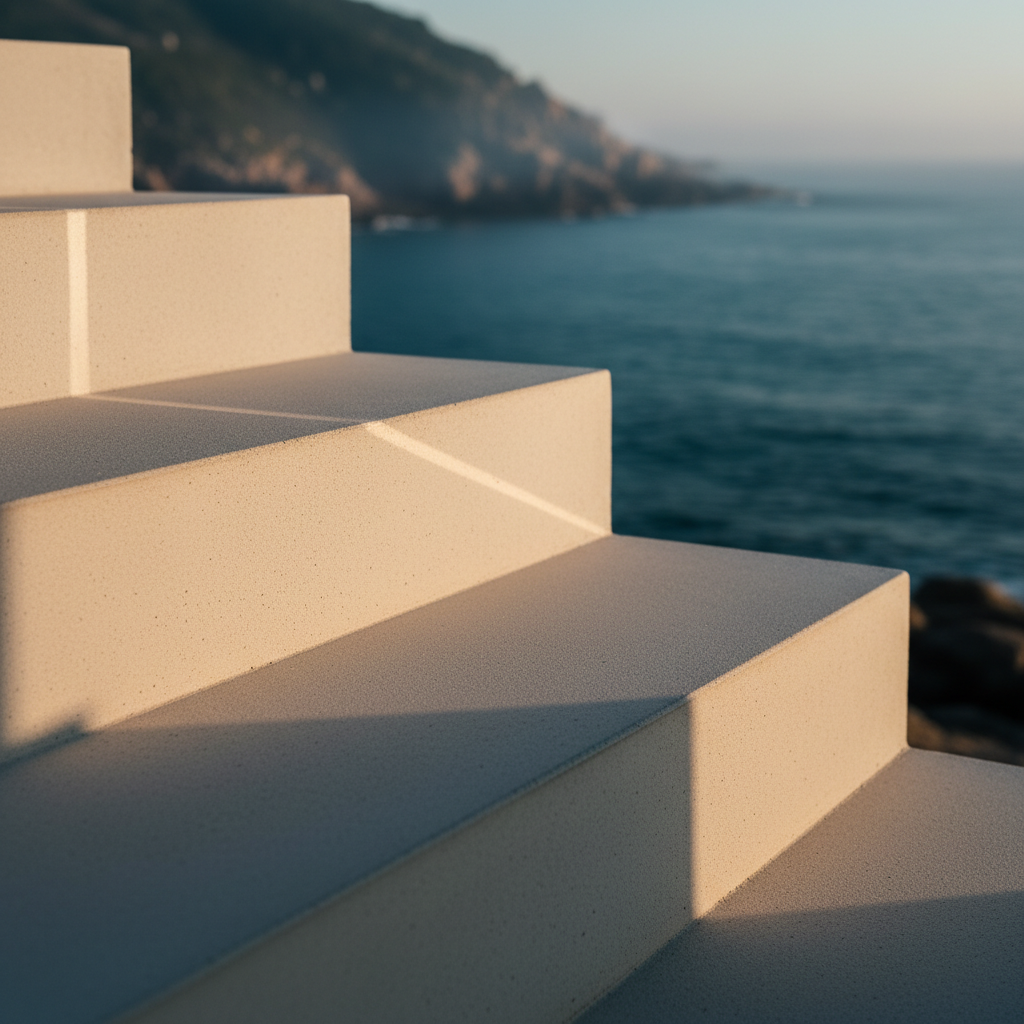
Discover the minimalist masterpieces of the Porto School. This guide explores the iconic works of Pritzker winners Álvaro Siza and Souto de Moura along Portugal's northern coast.
The northern coast of Portugal is often celebrated for its rugged Atlantic beauty and its historic granite cities. Yet, for the discerning traveler, there is a second story etched into the landscape: a narrative of concrete, glass, and light. This region is the birthplace of the Porto School, a movement that redefined modern architecture and produced two Pritzker Prize winners, Álvaro Siza Vieira and Eduardo Souto de Moura.
To journey along this coastline is to witness how geometry can pay homage to the elements. Here, the architecture does not compete with the ocean or the cliffs; it frames them. Through a private exploration of these modernist landmarks, one discovers a Portugal that is simultaneously avant-garde and deeply rooted in its geographical identity.
## The Porto School: A Legacy of Minimalist Elegance
The Faculty of Architecture at the University of Porto (FAUP) is more than an educational institution; it is a manifesto in physical form. Designed by Álvaro Siza Vieira, the campus sits on a terraced site overlooking the Douro River. Its series of white, minimalist volumes are strategically placed to capture the changing Portuguese light.
Walking through the campus, one notices the deliberate use of voids and openings. Siza’s genius lies in his ability to use architecture as a lens. Every window is a curated view, every courtyard a sanctuary of silence. For those interested in the evolution of 20th-century design, this site offers a masterclass in how a building can feel both weightless and grounded.
## Matosinhos: The Sculpted Shoreline
Just north of Porto lies Matosinhos, a city defined by its connection to the sea. It is here that Siza Vieira left some of his most influential early marks.
### The Leça Swimming Pools (Piscina das Marés) Completed in 1966, the Leça Swimming Pools are considered a landmark of global modernism. Siza did not merely build a pool; he integrated the structure into the existing rock formations. The walls of the pools are a blend of smooth concrete and craggy natural stone. When the tide comes in, the Atlantic waters spill into the man-made basins, blurring the line between the artificial and the natural. It is a profound example of how architecture can exist in dialogue with the raw power of the ocean.
### The Boa Nova Tea House Perched on the rocks just a short distance away, the Boa Nova Tea House is another Siza masterpiece. Originally designed in the late 1950s and later restored, this structure appears to emerge directly from the cliffs. The interior features warm wood paneling and large expansive windows that bring the horizon directly to the table. It is an ideal stop for those who appreciate the intersection of refined design and coastal serenity.
## The Contemporary Boldness of Porto
While the early works of the Porto School focused on integration with nature, the city’s more recent landmarks reflect a bold, international confidence.
### Casa da Música Rem Koolhaas, the Dutch architect and Pritzker laureate, designed the Casa da Música as a polyhedral monolith. Standing in the Boavista neighborhood, its faceted white concrete exterior demands attention. While the exterior is striking, the interior is a marvel of acoustic engineering and material innovation. Large corrugated glass walls allow natural light to flood the performance spaces, creating a visual connection to the city outside. Many visitors find the contrast between the historic surrounding square and this futuristic structure to be one of the most compelling sights in Porto.
### Serralves Museum of Contemporary Art Tucked away in a lush park, the Serralves Museum is another Siza Vieira creation. The building is a study in white, characterized by long, clean lines and hidden courtyards. The museum is designed to be a neutral backdrop for the art it houses, yet the architecture itself is a work of art. The way the building unfolds into the surrounding gardens invites a slow, contemplative pace.
## Exploring the Northern Horizon: Vila do Conde and Beyond
The architectural trail continues north, following the Atlantic breeze. In Vila do Conde, the shore remains relatively untouched, providing a stark background for modern interventions. Eduardo Souto de Moura, a student of Siza and a Pritzker winner in his own right, has contributed significantly to this landscape.
Souto de Moura’s style is often characterized by a "heavy" minimalism, utilizing stone and concrete to create structures that feel eternal. His work on the Porto Metro system, particularly the surface stations in the northern suburbs, demonstrates how high-end design can be brought to public infrastructure. The clean, functional aesthetics of these stations have become an integral part of the region’s visual identity.
## Reflections in Concrete: The Braga Stadium
Further inland, though inextricably linked to the design philosophy of the coast, lies the Municipal Stadium of Braga. Designed by Souto de Moura for the Euro 2004 championships, it is carved directly into the face of a granite quarry. One end of the stadium is the sheer rock wall itself. This project earned international acclaim for its bold engineering and its poetic reuse of an industrial site. It serves as a reminder that the "Lines of Light" extend beyond the beachfront, deep into the heart of northern Portugal.
## Planning Your Architectural Pilgrimage
Visiting these landmarks requires a thoughtful approach. Many of these sites are spread across different municipalities, making a private vehicle the most efficient way to navigate the route.
* **Timing:** The light in Northern Portugal is best in the late afternoon, often referred to as the "golden hour," which highlights the textures of the concrete and the reflections on the glass. * **Access:** While the exteriors of these buildings can be viewed at any time, those wishing to see the interiors of the Serralves Museum or Casa da Música should check local opening hours. * **Route:** A cohesive itinerary typically begins at Serralves in Porto, moves to the Matosinhos coastline for the Siza works, and continues north toward Vila do Conde or east toward Braga.
## A Legacy of Vision
The architecture of Northern Portugal is not just about buildings; it is about a different way of seeing the world. It is an invitation to slow down and observe how a shadow falls across a white wall or how the Atlantic blue is framed by a simple concrete lintel. For the connoisseur, this journey offers a deeper understanding of Portugal’s modern soul, a side of the country that is sophisticated, intellectual, and breathtakingly beautiful.
To truly appreciate these sites, one must travel with the same intentionality that the architects used to design them. Removing the stress of navigation and logistics allows for a complete immersion in the aesthetic experience.
Portugal Magik has spent 14 years dedicated to discerning international travelers seeking premium experiences. Our fleet of E-Class and V-Class Mercedes-Benz vehicles, driven by professional English-speaking drivers, provides the ideal environment for a curated architectural tour of the North. We offer the flexibility to linger at a favorite site or adjust the pace of the day to suit your interests.
Discover the precision and poetry of the Porto School from the comfort of a private chauffeured service. Speak with our team and discover how to turn this experience into reality. Request your personalized proposal today.