The Last Throne of the Monarchy: A Private Connoisseur’s Guide to the Neoclassical Splendor and Imperial Echoes of Ajuda and Belém
By Portugal Magik · Published 2026-08-17
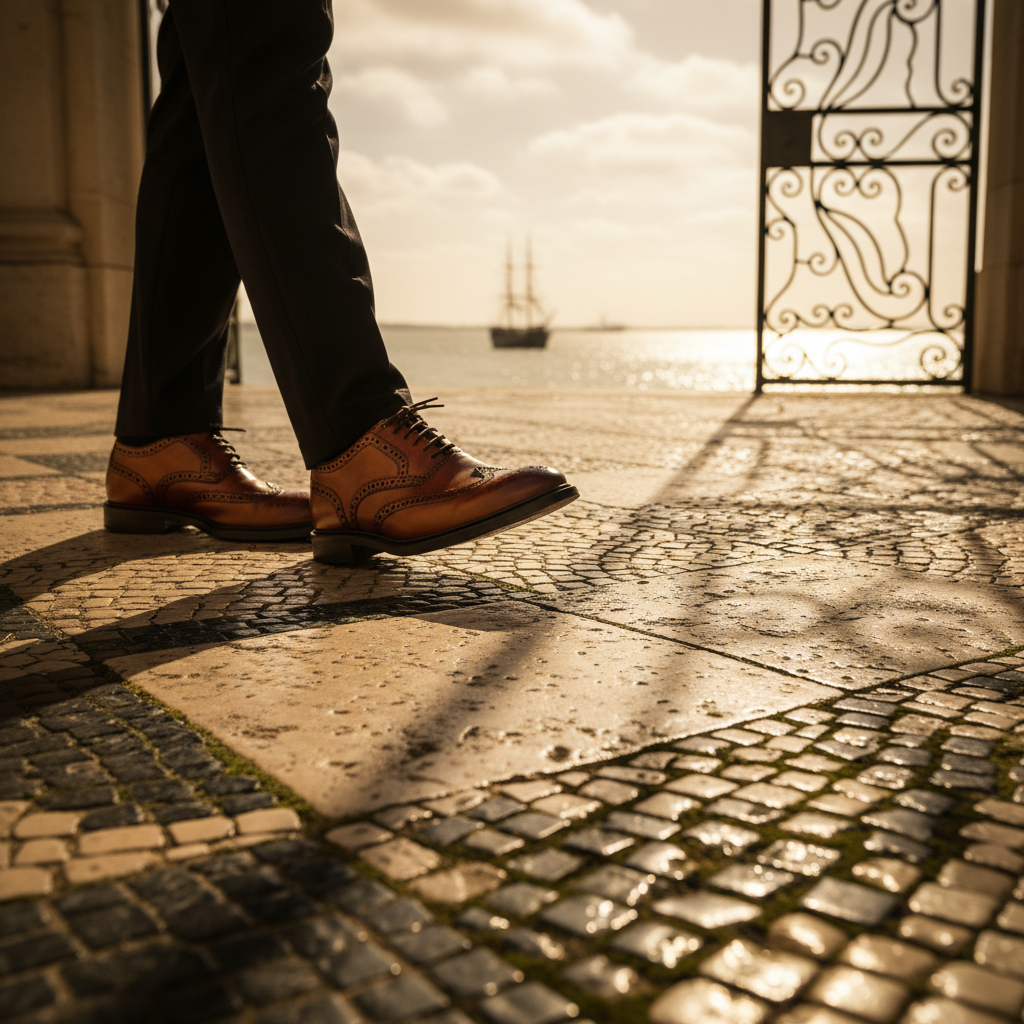
Explore the sophisticated architecture and imperial history of Lisbon through a connoisseur’s guide to the Royal Palace of Ajuda and the monuments of Belém.
The western reaches of Lisbon, where the Tagus River broadens to meet the Atlantic, serve as a stone chronicle of the nation’s transition from a global maritime empire to a refined European monarchy. While many travelers converge upon the iconic towers of Belém, the true connoisseur of Portuguese history knows that the narrative is incomplete without ascending the hill to the Royal Palace of Ajuda. This district represents a sophisticated dialogue between the Age of Discovery and the final, elegant flourishes of the Portuguese crown.
To explore these neighborhoods is to walk through a gallery of architectural evolution. From the Manueline flourishes of the 16th century to the neoclassical rigor of the 19th century, the area offers a quiet, contemplative atmosphere away from the bustling center of the city. For those seeking a deeper understanding of the Portuguese identity, this journey through Ajuda and Belém provides a window into the private lives of kings and the public triumphs of explorers.
## The Royal Palace of Ajuda: A Neoclassical Masterpiece
Perched high above the river, the National Palace of Ajuda remains one of the most significant monuments in Lisbon, yet it retains an air of exclusivity. Following the devastating earthquake of 1755, the royal family sought the safety of the hills, leading to the construction of a temporary wooden structure known as the Real Barraca. When this structure was later destroyed by fire, the current palace was commissioned as a permanent, grandiose residence intended to rival the finest courts of Europe.
The palace is a study in neoclassical ambition. Its massive facade, though left incomplete for decades due to political upheaval and the royal family’s flight to Brazil during the Napoleonic invasions, finally saw completion in recent years with a contemporary wing housing the Royal Treasury Museum. Inside, the rooms remain exactly as they were when the last monarchs of Portugal departed in 1910.
### The Private World of Queen Maria Pia
The interior of Ajuda is a sensory immersion into 19th-century refinement. Unlike the museum-like atmosphere of many European palaces, Ajuda feels inhabited. The Winter Garden, a masterpiece of iron and glass architecture, reflects the industrial elegance of the Victorian era. The Queen’s private apartments, adorned with Meissen porcelain and French tapestries, offer a glimpse into the intimate daily life of the Italian-born Queen Maria Pia, who brought a new level of sophistication to the Portuguese court.
Visitors often find themselves captivated by the Dining Room, where the table is still set for a state banquet, and the Throne Room, which continues to host official diplomatic ceremonies. The play of light on the gilt carvings and the silence of the long corridors create a profound sense of stepping back into a forgotten era of imperial grace.
## The Maritime Grandeur of Belém
Descending from the heights of Ajuda, the landscape shifts toward the maritime legacy of the Portuguese Golden Age. Belém is the site from which the caravels departed for the East, and the monuments here are designed to celebrate the wealth and knowledge gained from those voyages.
### The Jerónimos Monastery: A Hymn in Stone
The Mosteiro dos Jerónimos is perhaps the most sublime example of Manueline architecture in existence. This uniquely Portuguese style incorporates maritime motifs (ropes, coral, and nautical instruments) into traditional Gothic and Renaissance structures. The limestone cloisters, often bathed in a golden hue by the late afternoon sun, are a highlight for any visitor. The intricate carvings tell the story of a nation that looked toward the horizon, blending religious devotion with worldly curiosity.
### The Tower of Belém and the Monument to the Discoveries
Standing as a sentinel at the river’s edge, the Tower of Belém served as both a defensive fortress and a ceremonial gateway to the city. Its delicate balconies and Moorish-influenced watchtowers make it one of the most photographed structures in Portugal. Nearby, the Padrão dos Descobrimentos (Monument to the Discoveries) offers a more modern interpretation of this history. Shaped like a ship’s prow, it features the likenesses of the great navigators, cartographers, and monarchs who funded the expeditions that mapped the globe.
## Refined Gastronomy and Cultural Pauses
No exploration of this district is complete without acknowledging the culinary traditions that have become synonymous with the area. While the famous Pastéis de Belém bakery is a historical landmark in its own right, the surrounding neighborhood offers several sophisticated dining options where one can enjoy fresh Atlantic seafood and fine Alentejo wines with views overlooking the Tagus.
For those interested in the contemporary side of Portuguese culture, the CCB (Centro Cultural de Belém) houses the Berardo Collection, featuring masterworks of modern art. The contrast between the ancient stones of the monastery and the clean lines of the CCB highlights Lisbon’s ability to respect its past while embracing the future.
## The Royal Treasury Museum
A recent and essential addition to the Ajuda Palace is the Royal Treasury Museum. Housed in the modern west wing, this high-security facility displays the Portuguese Crown Jewels, one of the most important collections of its kind in the world. The exhibition includes breathtaking pieces of Brazilian gold, diamonds from the colonies, and ceremonial regalia that showcase the immense wealth of the Portuguese Empire at its height. The presentation is modern and understated, allowing the brilliance of the gems and the craftsmanship of the silversmiths to take center stage.
## Practical Considerations for the Discerning Traveler
Visiting Ajuda and Belém requires a thoughtful approach to timing and logistics. While Belém can become crowded during peak hours, the Palace of Ajuda remains a tranquil sanctuary.
* **Timing:** To appreciate the architecture without the crowds, consider visiting the Jerónimos Monastery early in the morning, followed by a midday exploration of the Palace of Ajuda. * **Perspective:** The best way to view the monuments of Belém is from the water’s edge at sunset, when the limestone takes on a warm, honey-colored glow. * **Accessibility:** The walk from Belém to Ajuda is uphill and can be demanding. Most visitors prefer to utilize private transport to move smoothly between these two distinct areas.
## A Legacy of Elegance and Discovery
The journey from the hilltop palace of Ajuda to the riverbank monuments of Belém is a journey through the soul of Portugal. It is a story of triumphs on the high seas and the quiet, domestic elegance of a monarchy nearing its end. Each stone, whether carved into a nautical knot or polished into a neoclassical column, reflects the ambition of a small nation that left an indelible mark on the world.
For the traveler who values depth, history, and architectural splendor, this corner of Lisbon offers an experience that is both intellectually stimulating and aesthetically pleasing. It is a reminder that beyond the vibrant street art and modern nightlife of the city center lies a world of imperial echoes and timeless grace.
To fully immerse yourself in the neoclassical splendor and imperial history of Lisbon, a private and curated approach is essential. Navigating these historical sites with the comfort of a dedicated professional ensures that your focus remains entirely on the beauty and heritage of the surroundings.
Portugal Magik invites you to experience the finest aspects of Portuguese history through our dedicated private tour services. With fourteen years of experience serving discerning international travelers, we provide a seamless journey in our premium Mercedes-Benz fleet, led by knowledgeable English-speaking drivers who understand the nuances of the local culture. Allow us to handle the logistics of your movement between the grand halls of Ajuda and the riverside monuments of Belém, providing a flexible and sophisticated environment for your exploration.
Speak with our team and discover how to turn this experience into reality.