The King’s Wild Retreat: A Private Connoisseur’s Guide to the Royal Hunting Traditions and Limestone High-Plains of the Serra de Aire
By Portugal Magik · Published 2026-05-26
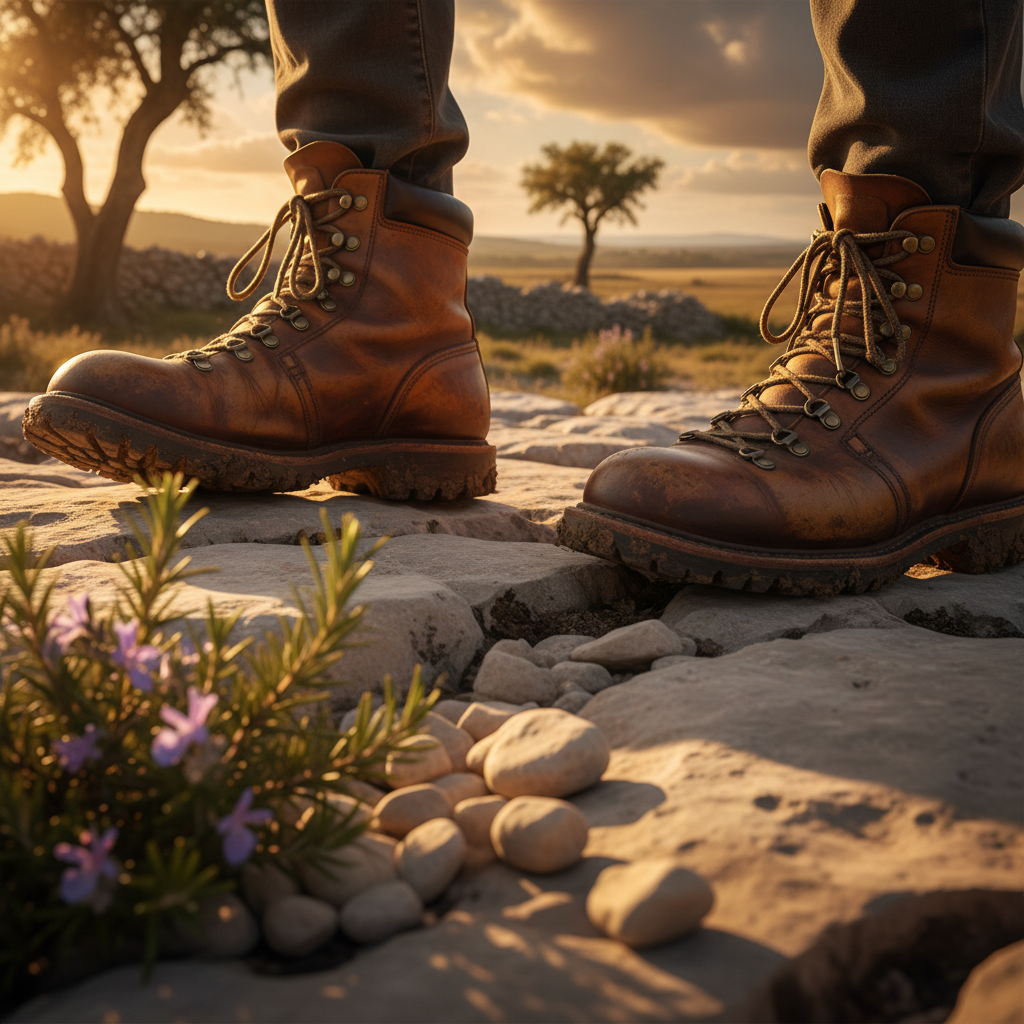
Explore the rugged elegance of the Serra de Aire, where Portuguese royalty once hunted across limestone high-plains and deep subterranean wonders.
The limestone massif of the Serra de Aire and Candeeiros stands as a silent witness to centuries of Portuguese history. Located just over an hour north of Lisbon, this rugged high-plain offers a landscape far removed from the golden sands of the coast or the nested cobblestones of the capital. It is a world of white stone, deep subterranean cathedrals, and an ancient heritage tied to the Portuguese crown. For the discerning traveler, exploring this region is an exercise in appreciating the raw, unpolished elegance of the Portuguese interior.
The history of the Serra de Aire is inextricably linked to the royal house. For generations, the Portuguese monarchs sought the solitude and wildlife of these hills for their hunting retreats. Today, while the royal hunts have ceased, the atmosphere of exclusivity and quiet majesty remains. This guide explores the cultural significance of the region, the breathtaking natural architecture of its limestone formations, and the best ways to experience this storied landscape.
## The Royal Hunting Grounds of the Serra de Aire
Throughout the medieval and early modern periods, the high-plains and dense Mediterranean scrubland of the Serra de Aire were considered premier hunting grounds. The Kings of Portugal, often seeking respite from the political rigors of Lisbon, found in these hills a perfect balance of challenge and seclusion. The pursuit of wild boar and deer was more than a sport; it was a display of nobility and a way to connect with the land that sustained their kingdom.
Traces of this royal past can be found in the nearby towns and villages that once hosted the king’s entourage. While the grand hunting lodges have largely faded into history, the sense of a "King’s Wild Retreat" persists in the local culture. Travelers visiting the region today can still sense the isolation that made this area so attractive to the court. The air is crisp, the silence is profound, and the views across the limestone plateaus remain as undisturbed as they were centuries ago.
## A Landscape Sculpted by Time and Water
The true protagonist of the Serra de Aire is the limestone itself. This is a karst landscape, where water has spent millennia carving through the soft stone to create a labyrinthine world both above and below ground.
### The Serras de Aire e Candeeiros Natural Park Established to protect this unique ecosystem, the natural park is characterized by its "poljes" (large flat-bottomed valleys) and limestone pavements known as "lapiás." These stone fields create a stark, almost lunar aesthetic that is mesmerizing under the bright Portuguese sun. Dry-stone walls, built by hand over generations to divide small plots of land, crisscross the hills like a delicate lace of white rock.
### The Subterranean Wonders Beneath the surface lies one of Portugal’s most significant geological treasures. The region is home to some of the most impressive cave systems in Europe. While many remain strictly for scientific exploration, others are open to the public, showcasing vast chambers filled with stalactites and stalagmites that have grown millimeter by millimeter over millions of years. These "cathedrals of stone" offer a quiet, awe-inspiring experience that complements the rugged beauty of the surface.
## Authentic Encounters: The Culture of Stone
Rural life in the Serra de Aire has always been dictated by the geology of the region. Without the lush greenery or abundant water of the north, the inhabitants became masters of stonecraft and resilient agriculture.
Discerning visitors will find beauty in the small details: the traditional windmills perched on the ridges to catch the Atlantic breezes, and the artisan workshops where stone is still carved with precision. The local gastronomy also reflects this ruggedness, with a focus on hearty mountain flavors. Lamb and goat, raised on the wild herbs of the hills like thyme and rosemary, are staples of the regional table. The olive oil produced here is equally noteworthy, possessing a distinct character derived from trees that grow in the thin, rocky soil.
## Footprints of Giants: The Dinosaur Tracks
Beyond royal history, the Serra de Aire holds a much older secret. At the Pedreira do Galinha, visitors can find one of the world’s most important records of Middle Jurassic sauropods. These are not just isolated fossils but extensive trackways left by massive creatures 175 million years ago. Walking along the edge of this ancient lagoon bed, looking at the deep impressions left in the stone, provides a humbling perspective on the passage of time. It is a rare opportunity to connect with a prehistoric world in a setting that remains remarkably preserved.
## Planning Your Private Journey
Experiencing the Serra de Aire in a sophisticated manner requires careful planning, as the region’s best secrets are often hidden away from the main thoroughfares.
### Best Time to Visit The hills are most vibrant in the spring, from late March to early June, when wild orchids and other Mediterranean flora bloom among the limestone. Autumn, particularly October and November, brings a softer light and cooler temperatures ideal for gentle exploration. Summers can be quite warm, making the cool depths of the limestone caves a welcome retreat.
### Logistics and Transport While the region is accessible from Lisbon, the terrain is best navigated with a professional driver who understands the nuances of the rural roads. Having a dedicated vehicle allows for a seamless transition between the high-plains and the tucked-away villages, ensuring that the day remains focused on discovery rather than navigation.
### What to Bring The limestone surfaces can be uneven. Even for those not planning on strenuous activity, sturdy footwear is essential for walking on the lapiás or exploring the caves. A light jacket is recommended even in summer, as the temperature inside the underground caverns remains a constant, cool level throughout the year.
## An Elevated Perspective on Portuguese Heritage
The Serra de Aire represents a facet of Portugal that is often overlooked in favor of more famous monuments. Yet, it is here that one finds the intersection of natural majesty and the quiet gravitas of royal tradition. To visit this region is to honor a slower pace of life and to appreciate the enduring strength of the landscape.
For those who value privacy, comfort, and deep cultural insight, a journey into the limestone high-plains is a rewarding addition to any Portuguese itinerary. It offers a moment of reflection, a breath of clean mountain air, and a glimpse into a wild retreat once reserved for kings.
By choosing a private, chauffeured experience, you can ensure that your exploration of the Serra de Aire remains personal and refined. Portugal Magik is dedicated to discerning international travelers seeking premium experiences, providing seamless transportation in a modern Mercedes-Benz fleet. Our professional English-speaking drivers understand the rhythm of the Portuguese countryside, allowing you to immerse yourself in the landscape while we manage the logistics of the journey.
The limestone paths and royal echoes of the Serra de Aire are waiting to be rediscovered. Speak with our team and discover how to turn this experience into reality.