The King’s Wild Canvas: A Private Connoisseur’s Guide to the Royal Hunting Grounds and Tapestry Estates of the Alentejo Heartland
By Portugal Magik · Published 2026-09-21
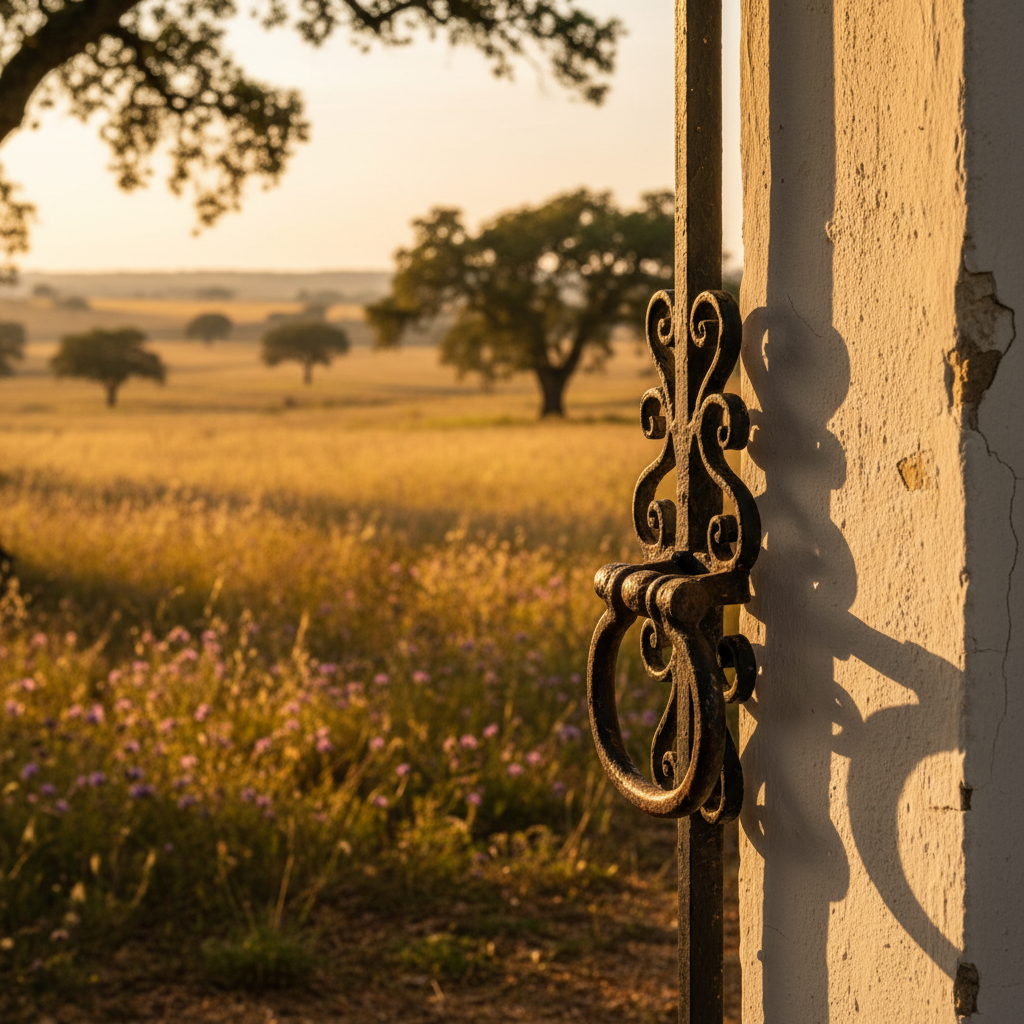
Explore the Alentejo heartland, where royal hunting grounds and historic tapestry estates reveal a world of sophisticated heritage and timeless elegance.
The Alentejo region, a vast expanse of golden plains, cork oak forests, and ancient olive groves, has long served as the soulful retreat of the Portuguese monarchy. While the glittering palaces of Sintra and Lisbon displayed the crown’s formal splendor, it was the wild, rugged heartland of the Alentejo that offered the kings of Portugal a space for reflection, recreation, and the high art of the hunt. This is a landscape where time slows, where the horizon feels infinite, and where the heritage of the nobility is etched into every white-washed estate and weathered fortification.
For the discerning traveler, exploring this region is not merely a sightseeing exercise. it is an immersion into a lifestyle defined by understated elegance and a profound connection to the land. From the medieval grandeur of Vila Vicosa to the hidden hunting lodges tucked away in the cork forests, the Alentejo Alentejo offers a sophisticated alternative to the bustling coastal routes.
## The Ducal Grandeur of Vila Vicosa
At the epicenter of the royal Alentejo experience lies the town of Vila Vicosa. Often referred to as the Princess of the Alentejo, it served as the ancestral seat of the House of Braganca, the last reigning dynasty of Portugal. The centerpiece of the town is the Paco Ducal, or Ducal Palace, a structure that rivals the grandest estates of Europe with its magnificent marble facade.
The palace was not a place of permanent residence but a seasonal sanctuary. The kings would travel here to escape the courtly intrigues of the capital, spending their days in the Tapada Real, a massive walled hunting park that spans over three thousand hectares. Today, the palace remains a testament to the family's refined taste, housing impressive collections of weaponry, ceramics, and textiles that speak to the global reach of the Portuguese Empire.
Walking through the wide, orange tree lined avenues of Vila Vicosa, one feels the weight of history. The local marble, extracted from nearby quarries, adorns everything from the doorframes of humble houses to the towering walls of the castle. It is a town that breathes nobility, offering a quiet, dignified atmosphere that is increasingly rare in the modern world.
## The Tapada Real: A Legacy of the Hunt
The concept of the hunt was central to the identity of the Portuguese aristocracy. It was considered a noble pursuit, a way to demonstrate courage and skill while maintaining a steward’s relationship with the natural world. The Tapada Real of Vila Vicosa was designed as a controlled wilderness, a place where the landscape was carefully managed to support deer, wild boar, and various species of birds.
Exploring the outskirts of these hunting grounds today reveals a landscape of haunting beauty. The montado, or cork oak forest, creates a unique ecosystem that is both productive and aesthetic. The sunlight filters through the gnarled branches, casting long shadows across the red earth. It is a setting that has inspired poets and painters for centuries, a "wild canvas" that remains largely unchanged since the days of the monarchy.
While the royal family no longer chases game through these woods, the essence of the hunt remains in the region’s culinary and social traditions. The Alentejo is famous for its game dishes, often paired with the robust, full-bodied red wines that have made the region a destination for oenophiles worldwide.
## Evora: The Royal City of Stone
No journey through the Alentejo heartland is complete without a visit to Evora, a UNESCO World Heritage site and a city that served as the preferred residence for several Portuguese kings during the Middle Ages and the Renaissance. Evora is a living museum, where Roman ruins stand alongside Gothic cathedrals and Manueline palaces.
The Cadaval Palace, situated near the iconic Roman Temple, is a prime example of how the high-end traveler can engage with the region’s history. Still owned by the Dukes of Cadaval, the palace represents a seamless blend of private heritage and public art. The interiors, adorned with traditional azulejos (hand-painted tiles) and period furniture, offer a window into a world of curated elegance.
### The Art of the Alentejo Tapestry
Beyond the architecture and the hunt, the region is celebrated for its intricate craftsmanship, particularly the tapestries of Arraiolos. Located a short drive from Evora, the village of Arraiolos has been producing world-renowned embroidered wool rugs since the 15th century.
Inspired by Persian designs but evolved into a uniquely Portuguese aesthetic, these tapestries were once the pride of royal palaces. Visiting the local workshops allows guests to witness the meticulous precision required to create these masterpieces. The vibrant colors and geometric patterns are a physical manifestation of the region’s artistic soul, a tradition passed down through generations of artisans who refused to let their heritage fade.
## The Quiet Sophistication of the Alentejo Estate
The Alentejo is defined by its herdades, or large agricultural estates. These are not merely farms. they are the cultural backbone of the region. Many of these estates have remained in the same families for centuries, evolving from functional agricultural hubs into centers of hospitality and fine wine production.
For those traveling with a private driver, the joy lies in the discovery of these remote properties. A drive through the rolling hills might lead to a hidden chapel decorated with baroque gold leaf, or a whitewashed manor house where the scent of wild herbs hangs heavy in the air. The sophistication of the Alentejo is found in these details, the high-end simplicity of a perfectly aged cheese, the tactile quality of a hand-woven linen cloth, or the deep silence of a starlit night in the countryside.
## Planning Your Journey Through the Heartland
Traversing the Alentejo requires a specific pace. It is a region that resists haste. To truly appreciate the nuances of the royal hunting grounds and the intricate history of the tapestry estates, one must embrace the art of slow travel.
### Best Time to Visit The Alentejo is perhaps at its most beautiful in the spring (March to May), when the wildflowers carpet the plains in a riot of color, and the temperatures are mild. Autumn (September to October) is also exceptional, as the grape harvest brings a sense of energy and celebration to the estates.
### Logistics and Comfort The distances between towns like Vila Vicosa, Evora, and Arraiolos are best covered in the comfort of a premium vehicle. The roads are often quiet, winding through scenic landscapes that are as much a part of the experience as the destinations themselves. Having a professional driver allows guests to focus entirely on the scenery and the stories, rather than the logistics of navigation.
### The Importance of a Professional Guide The history of the Alentejo is layered and complex. A professional English-speaking driver-guide provides the necessary context to understand the relationship between the monarchy, the land, and the local traditions. They can offer insights into the architectural styles, the nuances of the cork industry, and the historical significance of the House of Braganca, turning a simple drive into a profound cultural journey.
## Conclusion: A Landscape of Timeless Elegance
The royal hunting grounds and tapestry estates of the Alentejo offer a glimpse into a side of Portugal that is often overlooked by those who remain on the coast. It is a region of quiet dignity, where the legacy of kings is found in the stewardship of the land and the preservation of ancient crafts. For the discerning traveler, it is a place to disconnect from the noise of the modern world and reconnect with a sense of timelessness.
Whether you are standing before the marble halls of Vila Vicosa or watching the sun set over a field of cork oaks, the Alentejo leaves an indelible mark on the soul. It is a wild canvas, painted with the colors of history, tradition, and an unwavering commitment to the finer things in life.
To experience the Alentejo in its purest form, consider the benefits of a private, chauffeured journey. Portugal Magik, with over 14 years of experience, provides an exclusive fleet of Mercedes-Benz vehicles and professional drivers dedicated to discerning international travelers seeking premium experiences. Our expertise ensures that every moment of your journey through the Alentejo heartland is defined by comfort, flexibility, and a deep appreciation for the region’s unique heritage.
Speak with our team and discover how to turn this experience into reality.