The King’s Steed: A Private Connoisseur’s Guide to the Lusitano Horse Heritage and Aristocratic Stud Farms of the Ribatejo Valley
By Portugal Magik · Published 2026-08-05
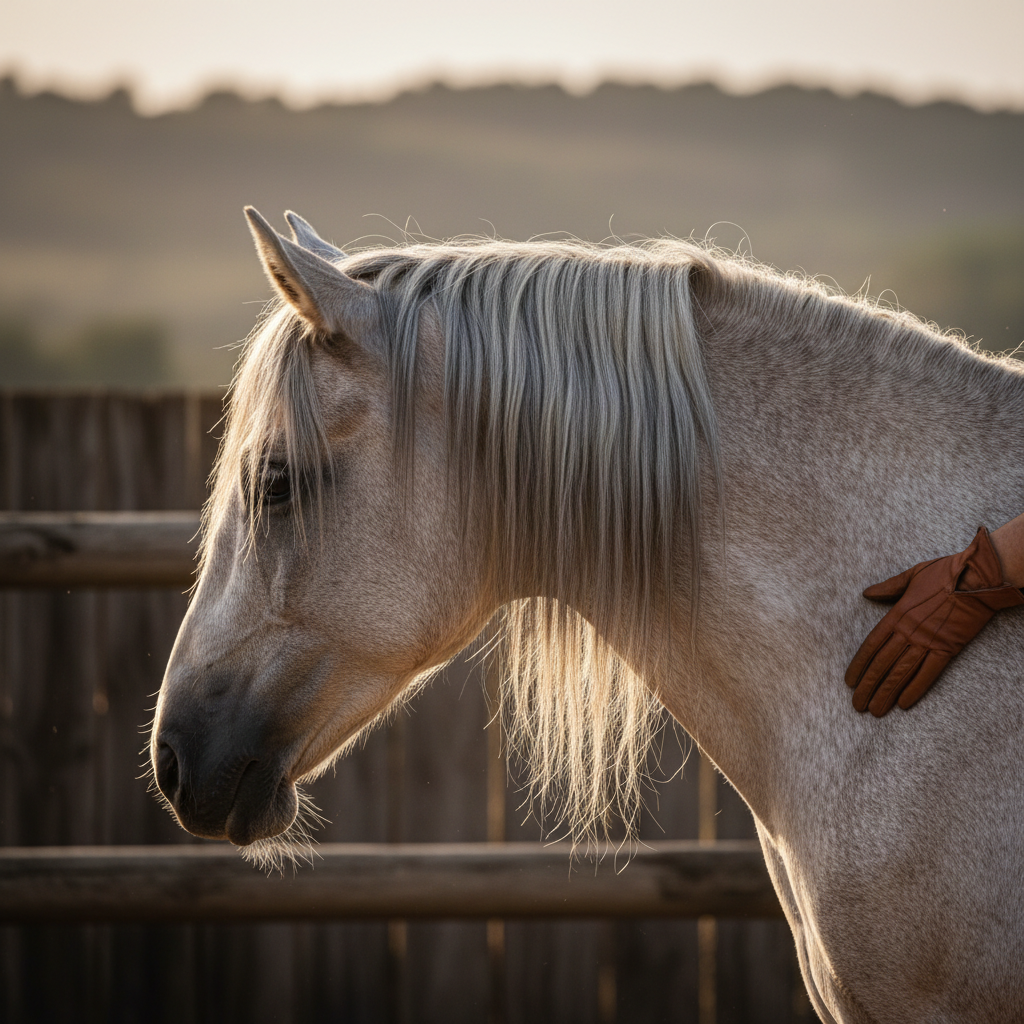
Discover the noble heritage of the Lusitano horse in Portugal's Ribatejo valley, a land of aristocratic stud farms, ancient traditions, and classical equestrian art.
The Ribatejo valley, a fertile expanse where the Tagus River winds through silver-green olive groves and cork oak forests, serves as the spiritual and physical home of the Lusitano horse. For centuries, this region has been the cradle of a breed defined by its courage, intelligence, and ethereal beauty. Known historically as the "King’s Steed," the Lusitano is not merely a horse but a living artifact of Portuguese history, embodying the grace of the baroque era and the grit of the rural landscape.
For the discerning traveler, a journey through the Ribatejo is an invitation to witness a heritage that remains remarkably intact. This is a land of vast estates, known as *lezírias*, where white-walled manor houses stand as silent witnesses to generations of equestrian excellence. Beyond the aesthetic appeal, the Ribatejo offers a deep immersion into a culture where the bond between horse and rider is regarded as a high art form.
## The Noble Lineage: Understanding the Lusitano
The Lusitano is one of the oldest saddle horses in the world, with roots stretching back to the Sorraia and Iberian horses used by the Roman cavalry and later by the nobility of the Renaissance. Unlike breeds developed solely for speed or labor, the Lusitano was bred for agility and temperament. Its ability to pivot on a dime, its arched neck, and its powerful hindquarters made it the preferred mount for European royalty and the masters of classical dressage.
In the Ribatejo, this lineage is protected with fierce pride. The breed’s characteristics (a sub-convex profile, a compact frame, and an exceptional willingness to please) are the result of meticulous selection. Today, the Lusitano is a global ambassador for Portugal, dominating international dressage arenas and remaining the central figure in the traditional Portuguese equestrian arts.
## The Aristocratic Estates of the Ribatejo
To truly understand the "King’s Steed," one must venture into the heart of the great stud farms, or *coudelarias*. These estates are often family-owned, with legacies spanning centuries. The architecture of these farms reflects the dual nature of the Ribatejo: functional agricultural centers combined with the refined elegance of aristocratic country living.
### Golegã: The Horse Capital
While not an estate itself, the town of Golegã is the undeniable epicenter of Portuguese horse culture. Every November, during the Feira Nacional do Cavalo, the town transforms. The central square, the *Arneiro*, becomes a stage where riders in traditional costume (the *traje de gala* or *traje curto*) showcase their finest animals. However, visiting Golegã outside of the festival period offers a more serene perspective, allowing for a quiet appreciation of the equestrian monuments and the prestigious breeding stables that line its streets.
### The Traditions of the Campino
No discussion of the Ribatejo is complete without mentioning the *Campino*. These are the traditional guardians of the cattle and horses that roam the open plains. Dressed in their iconic green and red caps, white shirts, and red waistcoats, the *Campinos* are the living embodiment of the region's rural soul. Their skill in managing wild bulls and spirited horses from the saddle is a testament to the enduring practical utility of the Lusitano breed.
## Classical Dressage and the Portuguese School of Equestrian Art
For those seeking the pinnacle of equestrian refinement, the heritage of the Lusitano is best viewed through the lens of classical dressage. This discipline, which emphasizes the harmony between horse and rider, finds its highest expression in the Portuguese School of Equestrian Art (Escola Portuguesa de Arte Equestre).
While the school is based near Lisbon at the Queluz National Palace, its heart beats in the Ribatejo. The horses used by the school are exclusively Alter-Real Lusitanos, a specific strain originally founded by King João V in 1748. Watching these bay stallions perform the *airs above the ground* (complex movements like the *capriole* and *levade*) is like watching a 18th-century painting come to life. The precision and discipline required for these movements are a direct reflection of the breed's historical role as a combat and parade horse.
## A Landscape of Cork and Vine
The environment of the Ribatejo is as captivating as its inhabitants. The region is characterized by the *montado*, a unique ecosystem of cork oak trees that provides a sustainable habitat for a variety of wildlife. The sandy soil and temperate climate are ideal for raising horses, providing the necessary minerals for strong bone development and the open space for young colts to gallop.
Interspersed among the stud farms are prestigious vineyards. The Ribatejo is a prolific wine-producing region, known for its robust reds and elegant whites. The presence of these vineyards adds another layer to the sensory experience of the valley, where the scent of wild rosemary and eucalyptus mingles with the earthy aroma of the stables and the ripening grapes.
## Practical Information for the Equestrian Connoisseur
Exploring the Ribatejo requires a measured pace and an appreciation for the nuances of rural Portuguese life.
* **Timing Your Visit:** Spring (April to June) and Autumn (September to November) are the most pleasant times to visit. The landscape is lush, and the temperatures are ideal for outdoor exploration. * **Regional Flavors:** The Ribatejo is famous for its hearty cuisine. Dishes such as *Sopa de Pedra* (Stone Soup) and various preparations of salt cod reflect the region’s agricultural roots. * **Etiquette:** When visiting private estates or stud farms, a respectful and understated approach is appreciated. These are working farms and private homes where tradition and privacy are highly valued.
## Crafting Your Ribatejo Journey
A visit to the Ribatejo is best experienced with the freedom and comfort that only a private vehicle can provide. The region’s most authentic treasures are often tucked away at the end of long, tree-lined driveways, far from the reach of public transportation.
Portugal Magik offers a sophisticated way to navigate this landscape. With a fleet of premium Mercedes-Benz vehicles, including the elegant E-Class and the spacious V-Class, travelers can transition seamlessly from the urban bustle of Lisbon to the tranquil plains of the Tagus valley. Our professional English-speaking drivers provide not just transportation, but a bridge to the region, ensuring that your time is spent focused on the beauty of the Lusitano and the majesty of the landscape.
With 14 years of expertise in curating private journeys across Portugal, we understand the importance of flexibility. A day in the Ribatejo is about the unexpected moments: the sight of a mare and her foal in the morning mist, or the sound of hooves echoing on the cobblestones of an ancient courtyard. Our service is designed to accommodate these moments, providing a door-to-door experience that is as refined as the horses you have come to see.
The Lusitano horse is a symbol of Portuguese identity, a blend of power and grace that has survived the passage of centuries. In the Ribatejo, this legacy is not found in museums, but in the breath of the horses and the passion of the people who raise them. It is a world of quiet dignity and profound beauty, waiting to be discovered by those who seek the authentic heart of Portugal.
To begin planning your journey into the equestrian heart of the Ribatejo, speak with our team and discover how to turn this experience into reality. Request your personalized proposal today.