The Iron Lace of the Minho: A Private Connoisseur’s Guide to the Vauban Fortresses and Noble Border Estates of the Northern Frontier
By Portugal Magik · Published 2026-05-21
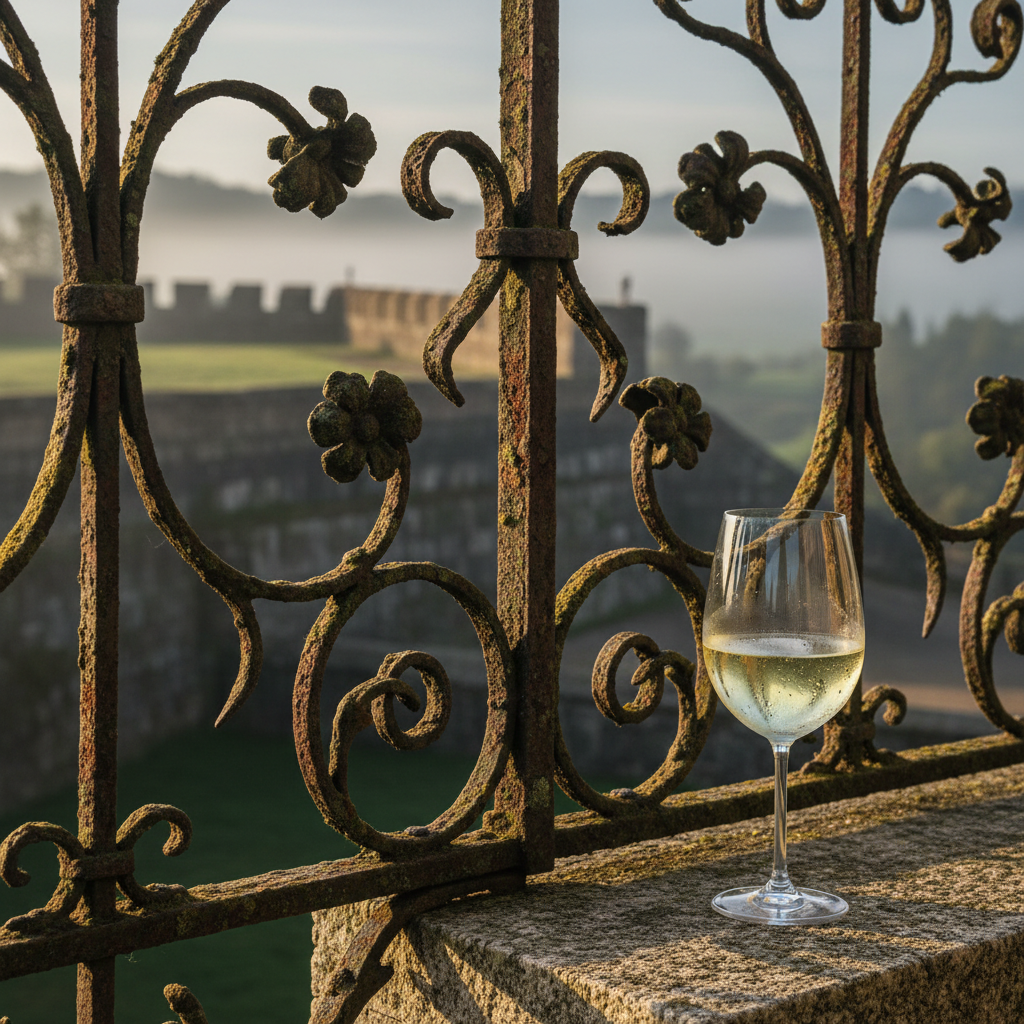
Discover the military brilliance and aristocratic elegance of Northern Portugal's frontier, featuring the star-shaped fortresses of Valença and the opulent manor houses of the Minho.
The northern border of Portugal, defined by the winding Minho River and the rugged peaks of the Peneda-Geres, holds a collection of architectural marvels often overlooked by the casual traveler. This is a land of "Iron Lace," where the brutal utility of 17th-century military engineering meets the delicate stone carvings of Mannerist and Baroque estates. For those who appreciate the intersection of history, geometry, and refined rural living, the northern frontier offers a sophisticated journey through time.
Traveling through the Minho region is an exercise in discovering layers of heritage. From the star-shaped bastions inspired by the French engineer Sébastien Le Prestre de Vauban to the majestic solar (manor houses) hidden behind ancient camellia groves, the landscape tells a story of defense, diplomacy, and enduring nobility.
## The Geometry of Defense: The Vauban Legacy in the Minho
Following the Restoration War in 1640, the Portuguese crown faced the urgent task of securing its northern borders against Spanish incursions. The solution was found in the "modern trace," a revolutionary style of fortification characterized by low, thick walls, angular bastions, and deep moats, designed to deflect cannon fire and eliminate blind spots.
### Valença: The Star of the Minho Perhaps the most iconic example of this military art is the fortress of Valença do Minho. Looking across the river toward the Spanish town of Tui, Valença is a masterclass in the Vauban style. The fortress consists of two distinct walled enclosures connected by a bridge, forming a complex layout of bulwarks, ravelins, and gates.
Wandering through the cobblestone streets within the fortress walls, one notices the juxtaposition of military might and domestic charm. While the ramparts speak of gunpowder and sieges, the interior is filled with quaint squares and whitewashed houses. Walking the perimeter of the walls provides a panoramic view of the Minho River, where the emerald green of the valley contrasts with the weathered granite of the fortifications.
### Monção: Where History Meets the Vine A short distance to the east lies Monção, another critical link in the defensive chain. This town is famous for its circular fortifications and its fierce legendary protector, Deu-la-Deu Martins, who supposedly tricked an invading army during a siege. Beyond the military history, Monção serves as the gateway to the prestigious Alvarinho wine sub-region.
The fortifications here are more integrated into the urban fabric, allowing for a seamless transition from exploring defensive walls to enjoying the sophisticated local culture. The surrounding landscape is dotted with small vineyards that produce some of the most elegant and mineral-rich white wines in the Iberian Peninsula.
## The Noble Estates: Granite, Gardens, and Grandeur
As the threat of war receded in the 18th century, the nobility of the Minho began to invest their wealth in sprawling estates, known as solares. These homes were designed to showcase status through intricate granite masonry and expansive formal gardens.
### Brejoeira: The Neo-Classical Icon Located just outside Monção, the Palácio da Brejoeira is arguably the most magnificent private estate in Northern Portugal. Built in the early 19th century, its granite facade and grand towers represent the pinnacle of noble architecture. Protected by high walls and surrounded by hectares of Alvarinho vineyards and ancient forests, the estate remains a private residence that allows scheduled access to its grand salons and meticulously landscaped gardens.
The gardens at Brejoeira are a highlight for any connoisseur. They feature a blend of geometric French-style parterres and romantic English-style groves, filled with exotic species brought from the corners of the former Portuguese Empire. The air here is often scented with citrus and ancient camellias, a flower that has become a symbol of the Minho’s aristocratic flora.
### The Solar de Bertiandos and the Lima Valley Continuing the journey toward the Lima Valley, the Solar de Bertiandos stands as a unique example of architectural evolution. This manor house consists of two distinct wings joined by a central tower, reflecting the different eras of its construction. It overlooks the protected landscape of the Bertiandos and São Pedro d’Arcos lagoons, providing a serene environment where the heritage of the land is preserved in both stone and nature.
## The Art of the Northern Table
A journey through the "Iron Lace" of the North is incomplete without acknowledging the culinary sophistication of the Minho. This region is the birthplace of many of Portugal’s most beloved gastronomic traditions. The proximity to the river ensures a supply of lamprey and shad, while the verdant hills provide succulent breeds of cattle and the finest organic produce.
Discerning travelers often seek out the small, family-owned coastal and riverside eateries that have perfected the art of slow-cooked stews and charcoal-grilled meats. Each meal is an opportunity to pair the local bounty with a crisp, acidic Vinho Verde, the perfect accompaniment to the region’s rich flavors.
## Practical Information for the Sophisticated Traveler
Exploring the northern frontier requires a deliberate pace. The roads winding between the fortresses and the estates are scenic but narrow, demanding a focus on the landscape rather than the clock.
- **Best Time to Visit:** Spring (March to May) is exceptional for seeing the camellias in bloom. Autumn (September to October) offers the excitement of the grape harvest and a palette of golden hues across the valleys. - **Attire:** Even in summer, the proximity to the Atlantic and the river valleys can bring a cool evening breeze. Layers and comfortable footwear for the cobblestone ramparts are essential. - **Logistics:** While the region is accessible, many of the most interesting noble estates and smaller fortress ruins are located away from major transit hubs. Selecting a private transport option ensures that the journey is as comfortable as the destination.
## Navigating the Frontier in Comfort
The true essence of the Minho lies in its privacy and its quiet dignity. To fully appreciate the intricate details of a Manueline window or the strategic placement of a centuries-old cannon, one must be free from the distractions of navigation and parking.
Imagine beginning your day with a departure from your hotel in Porto or Braga, settling into the plush leather interior of a Mercedes-Benz V-Class. As the landscape shifts from urban centers to the lush greens of the northern border, your professional driver handles the winding roads with expertise, allowing you to focus on the vistas.
The flexibility of a private tour means that if you find a particular village captivating or wish to linger over a view of the Minho River, the schedule is yours to command. There is no rush, only the seamless flow from one historical site to the next, supported by the knowledge of a local guide who understands the deep history of the region.
## Conclusion
The "Iron Lace" of the Minho is a testament to the resilience and the refinement of the Portuguese spirit. It is a region where the scars of history have been softened by the beauty of the landscape and the elegance of noble architecture. Whether you are a student of military history, an admirer of Baroque art, or simply a traveler seeking the quiet sophistication of the northern countryside, this frontier offers an experience that resonates long after the journey ends.
The northern border is waiting to be discovered, draped in granite and surrounded by the scent of the Atlantic woods. Speak with our team and discover how to turn this experience into reality.