The History of Port Wine: From Barrel to Glass
By Portugal Magik · Published 2026-05-02
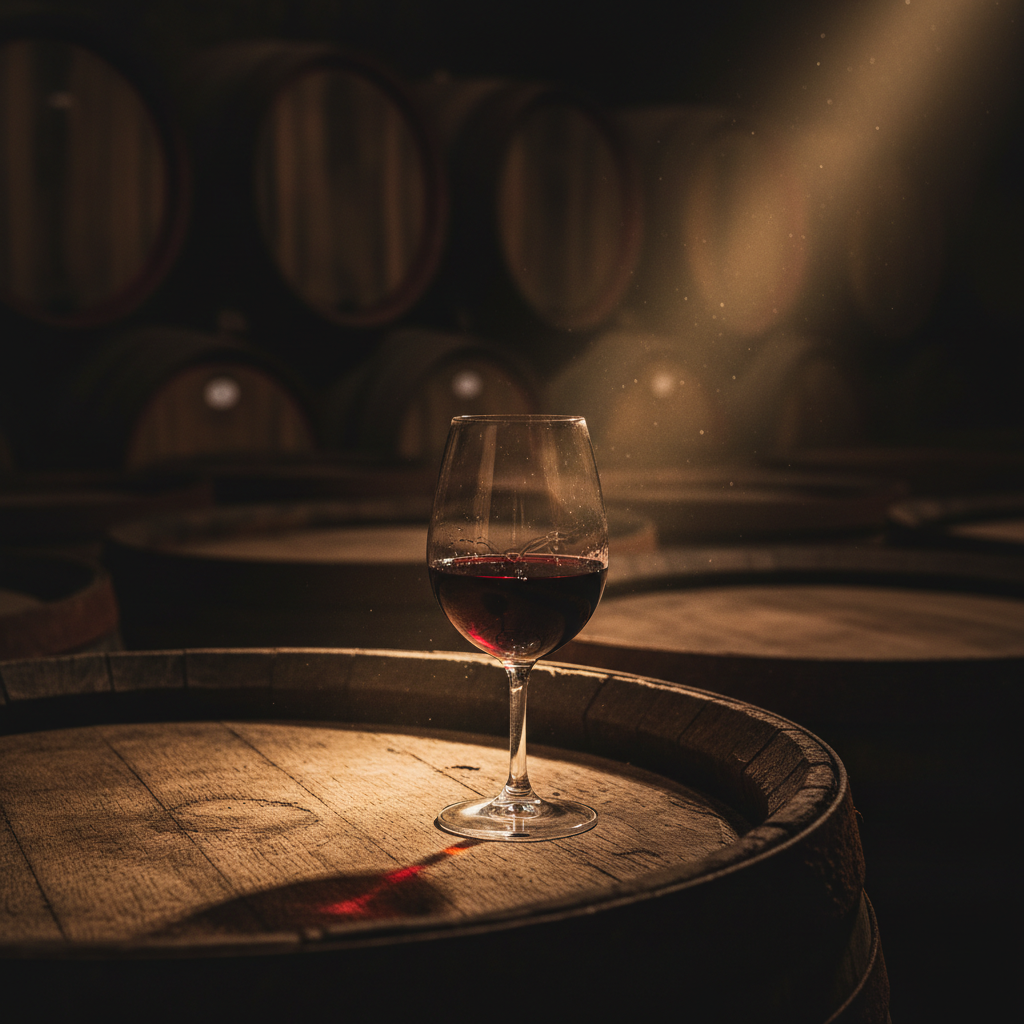
Discover the storied history of Port wine, from its 17th-century origins and the rugged Douro Valley to the sophisticated aging lodges of Gaia.
The story of Port wine is a saga of geographical necessity, political maneuvering, and a relentless pursuit of quality. It is a narrative that begins in the rugged, schist-carved hills of the Douro Valley and concludes in the refined tasting rooms of Gaia, or perhaps in a crystal glass on a mahogany table in London. For the discerning traveler, understanding Port is not merely about tasting a sweet fortified wine; it is about uncovering centuries of Anglo-Portuguese alliance and the sheer human will required to master one of the most challenging viticultural landscapes on Earth.
## The Birth of a Legend: Political Friction and Fortification
The origins of Port wine are deeply intertwined with the shifting political tides of the 17th century. During this period, frequent wars between England and France meant that the English supply of French wines was often cut off. Seeking an alternative, British merchants turned their attention to Portugal, a long-standing ally.
Initially, the wines from the coastal Minho region proved too thin and acidic for British palates. Merchants began to venture further inland, over the Marão mountains, into the hot and arid Douro Valley. There, they found wines of incredible body and intensity. However, the arduous journey by boat down the Douro River and then across the sea to England often caused the wine to spoil.
To preserve the wine for the long voyage, a small amount of grape spirit (aguardente) was added. This process of fortification originally took place after fermentation, but eventually, it was discovered that adding the spirit during fermentation stopped the process, leaving residual natural sugar and creating a wine that was both stronger and sweeter. Thus, the Port wine we recognize today was born.
## The Douro Valley: A Landscape Defined by Schist and Sweat
The Douro Valley is the oldest demarcated and regulated wine region in the world, a status granted in 1756 by the Marquis of Pombal. This classification was a pioneering move to ensure the authenticity and quality of the wine, protecting it from the adulteration that was rampant at the time.
The terrain of the Douro is nothing short of dramatic. The vines are planted on steep, terraced slopes that plunge into the river below. The soil is predominantly schist, a flaky, slate-like rock that requires the vines to send their roots deep into the earth, sometimes dozens of meters, to find water. This struggle produces low yields of highly concentrated grapes, the essential foundation of premium Port.
### The Major Grape Varieties
There are dozens of indigenous grape varieties permitted in the production of Port, but five are considered the elite: * **Touriga Nacional:** Widely regarded as the finest, providing deep color and intense floral aromas. * **Touriga Franca:** Known for its firm tannins and reliable structure. * **Tinta Roriz:** (Also known as Tempranillo) Adds elegance and spicy notes. * **Tinta Barroca:** Provides richness and high sugar content. * **Tinta Cão:** One of the oldest varieties, valued for its acidity and longevity.
## From Harvest to the Lagar: The Art of Production
The production of Port remains remarkably traditional in many of the region’s storied estates, or *quintas*. During the harvest, which typically takes place in September, grapes are often still picked by hand due to the steepness of the terraces.
One of the most iconic images of Port production is the *lagar*, a large, shallow granite tank where the grapes are crushed. In the most traditional quintas, this is still done by human feet. This method, though labor-intensive, is considered superior because the warmth of the skin and the gentle pressure of the foot extract the maximum color and tannin from the skins without crushing the bitter pips (seeds).
Once the fermentation reaches the desired point, the wine is "muted" with the addition of 77% ABV grape spirit. This kills the yeast, stops the fermentation, and leaves the wine with its characteristic sweetness and an alcohol content of around 19 to 22 percent.
## The Journey Downstream: Aging in Vila Nova de Gaia
Historically, after the winter following the harvest, the young wines were loaded onto *barcos rabelos*, flat-bottomed boats with large sails, and transported down the Douro River to Vila Nova de Gaia, situated across the river from Porto.
The coastal climate of Gaia, with its higher humidity and cooler, more stable temperatures, provides the perfect environment for the slow maturation of Port. Here, the wine is housed in the "lodges" of the great Port houses, some of which have been in operation for over three hundred years.
## Understanding the Styles: A Guide for the Connoisseur
Port is a complex category of wine, broadly divided into two styles based on how they are aged: Wood-aged and Bottle-aged.
### Ruby Ports: Vibrant and Fruit-Forward Ruby Ports are aged for a relatively short time in large oak vats or stainless steel tanks to prevent oxidation and preserve their bright, fruity character and deep red color. * **Reserve Ruby:** A more premium version of standard Ruby, selected for its superior quality. * **Late Bottled Vintage (LBV):** A wine from a single year, aged in wood for four to six years before bottling. It offers some of the complexity of a Vintage Port but is ready to drink upon release.
### Tawny Ports: The Elegance of Oxidation Tawny Ports are aged in smaller oak casks (pipes), which allows for controlled contact with oxygen. Over time, the wine loses its ruby color, turning amber or "tawny," and develops seductive notes of dried fruits, nuts, caramel, and spice. * **Aged Tawnies (10, 20, 30, 40+ years):** These are blends of several vintages. The age on the label represents the average age of the blend. A 20-year-old Tawny is often considered the "sweet spot," offering a perfect balance of fruit and tertiary characteristics. * **Colheita:** A rare Tawny from a single harvest year, aged in wood for at least seven years.
### Vintage Port: The Pinnacle Vintage Port represents the very best of a single exceptional year. These wines are bottled young (after about two years in wood) and are intended to age in the bottle for decades. A Vintage Port is only "declared" in years where the quality is absolutely outstanding, often only three times in a decade. These wines are powerful, tannic, and incredibly long-lived.
## Practical Information for the Informed Traveler
For those wishing to explore the world of Port wine first-hand, the experience is best split between two distinct locations: the Douro Valley and Vila Nova de Gaia.
**When to Visit:** The Douro Valley is beautiful year-round, but the harvest season (September) offers a unique energy, while the spring (April to June) provides lush greenery and mild temperatures. The winter can be quite cold, but it offers a serene, quiet beauty.
**What to Look For:** When tasting, pay attention to the "tears" or "legs" on the glass, which indicate the wine's viscosity and alcohol content. For older Tawnies, notice the clarity and the transition of color from the center to the rim.
**Serving Traditions:** Vintage Ports often develop a heavy sediment and should be decanted before serving. They should ideally be consumed within 24 to 48 hours of opening. Aged Tawnies, on the other hand, can stay fresh for several weeks after being opened if kept in a cool place.
## The Lasting Legacy of the Douro
The history of Port is a testament to the relationship between man and land. It is a wine born of necessity, refined by competition, and perfected by time. Whether you find yourself standing on a sun-drenched terrace overlooking the river or sitting in the cool shadows of a 19th-century lodge in Gaia, the glass in your hand tells a story of centuries of tradition.
Navigating this region requires more than just a map; it requires an appreciation for the nuances of the landscape and the pace of life in the valley. The journey from Porto to the heart of the Douro is one of the most scenic in the world, winding through deep gorges and past whitewashed quintas perched precariously on the hillsides.
To truly appreciate the depth of this heritage, one must experience the Douro through the eyes of those who know its secrets. The transition from the bustling streets of Porto to the whispered history of the ancient cellars is a journey that stays with a traveler long after the final drop is poured.
Request your personalized proposal today and discover how to turn this experience into reality.