The Heritage of the Hide: A Private Connoisseur’s Guide to Portugal’s Noble Leather Craft and Artisanal Excellence
By Portugal Magik · Published 2026-08-20
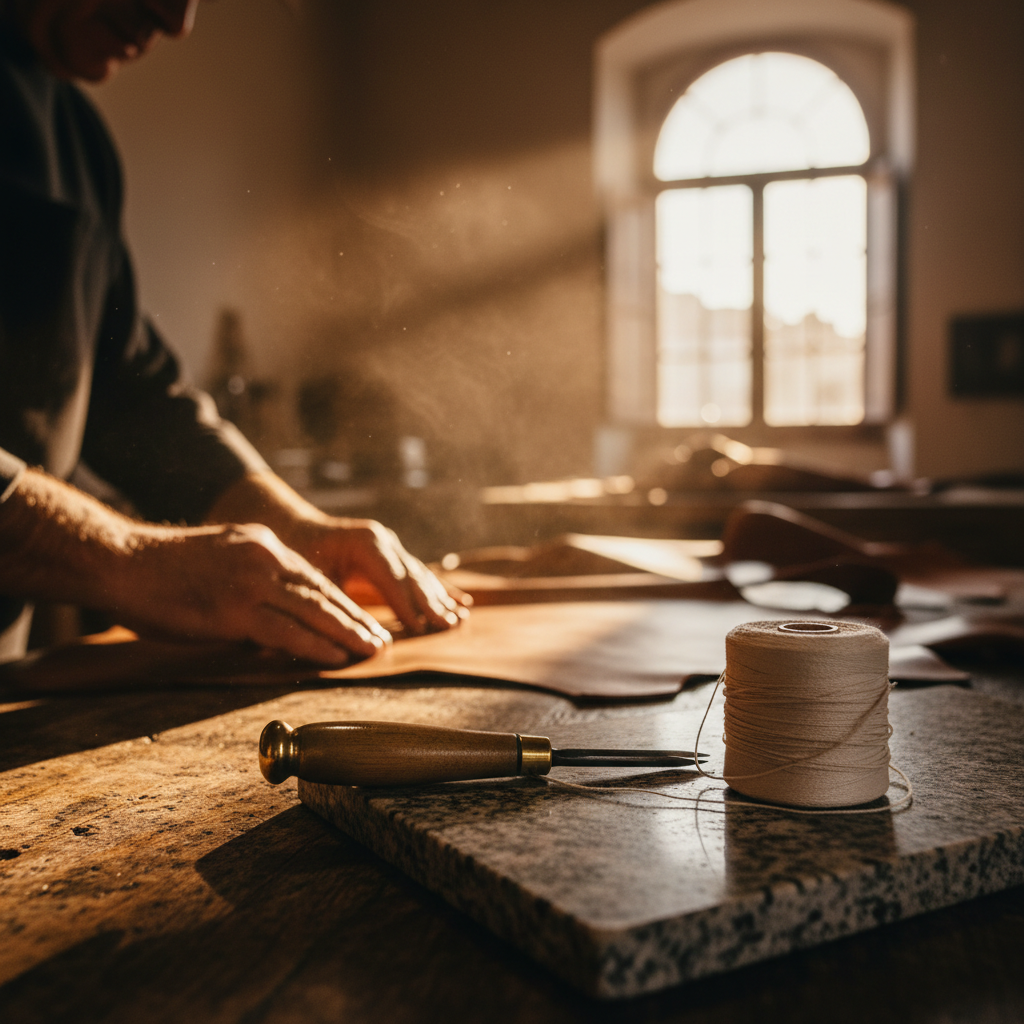
Discover the sophisticated world of Portuguese leather, from the high-fashion footwear of the north to the equestrian traditions of the Alentejo. A guide to the nation's artisanal excellence.
The scent of high-quality leather is one of the most evocative sensory experiences in the world. In Portugal, this aroma is deeply intertwined with centuries of history, tradition, and an unwavering commitment to artisanal excellence. While many travelers associate Portuguese craftsmanship with cork or ceramics, the nation possesses a sophisticated heritage of leatherwork that rivals the most famous ateliers of Europe.
For the discerning traveler, discovering Portugal’s leather industry is more than a shopping excursion. It is a journey into the heart of a culture that values longevity, tactile beauty, and the quiet dignity of the master craftsman. From the equestrian traditions of the Ribatejo to the high-fashion factories of the north, Portuguese leather represents a perfect marriage between ancient techniques and modern, premium design.
## The Roots of Portuguese Tannery and Craft
The history of leather in Portugal dates back to the Middle Ages, particularly in regions where cattle ranching and water sources were abundant. The city of Guimaraes, often called the birthplace of the nation, was also the birthplace of a formidable leather industry. By the 15th and 16th centuries, Portuguese explorers were returning with new dyes and tanning methods, further refining the local output.
What sets Portuguese leather apart today is the preservation of traditional vegetable tanning. This method uses natural tannins found in bark, leaves, and fruits, rather than harsh chemicals. The result is a material that is not only environmentally conscious but also possesses a unique patina that improves with age. It is a slower process, one that requires patience and a deep understanding of the raw material, qualities that define the Portuguese approach to craftsmanship.
## The Northern Hub: Precision and Modern Elegance
The northern region of Portugal, particularly around Porto, S. Joao da Madeira, and Santa Maria da Feira, serves as the modern heartbeat of the leather industry. S. Joao da Madeira is home to the Museum of Footwear, a testament to the town’s global reputation for high-end shoe manufacturing.
Many of the world’s most prestigious fashion houses quietly source their leather goods from this region. Here, the factories are not merely industrial spaces but centers of innovation. The focus is on precision, where computer-aided design meets the final, indispensable touch of a human hand. Travelers exploring this area will find boutiques and factory showrooms offering everything from bespoke footwear to exquisite handbags and travel luggage, all characterized by a level of finish that satisfies the most exacting standards.
### The Art of the Shoe
Portugal is currently one of the leading exporters of premium footwear globally. The distinction lies in the "Portuguese Soul," a branding initiative that emphasizes the blend of heritage and avant-garde design. Whether it is a classic Goodyear-welted oxford or a contemporary leather sneaker, the emphasis remains on comfort, durability, and a refined aesthetic.
## The Alentejo and Ribatejo: Equestrian Heritage and Rustic Sophistication
Traveling south toward the Alentejo and the Ribatejo, the character of leatherwork shifts. Here, the craft is intrinsically linked to the countryside, the horse, and the *campino* (the Portuguese cowboy). This is the realm of the Lusitano horse, and the leatherwork produced here reflects the needs of a sophisticated equestrian culture.
In towns like Alter do Chao or Santarem, one can find master saddlers who have passed their secrets down through generations. The leather here is thicker, robust, and often adorned with traditional metalwork or intricate stitching. Beyond the stable, this rugged leather is transformed into stunning home accessories, belts, and the iconic Alentejo "pelicos" (traditional vests), reimagined for a modern, high-end wardrobe.
### The Charm of Canteiro Leather
In the Alentejo, there is a specific appreciation for the "rough-hewn" elegance of leather. It is common to find beautifully crafted chairs, stools, and even wall coverings that utilize leather in its most natural state. These pieces serve as a reminder of the region’s connection to the land, offering a tactile warmth that complements the minimalist architecture often found in premium Portuguese estates.
## Lisbon: The Curated Showcase
While the production happens in the north and the rural interior, Lisbon serves as the grand gallery for these creations. The capital’s historic neighborhoods, such as Chiado and Principe Real, are home to curated boutiques that celebrate the "Made in Portugal" label.
In Lisbon, the experience of leather is refined. One can visit shops that have specialized in handmade gloves for over a century, where the fitting process is a ritual in itself. Other concept stores highlight independent designers who take traditional leather and apply it to minimalist, architectural forms. For the collector, Lisbon offers the opportunity to see the full breadth of the country’s leather talent in a single, sophisticated afternoon.
## Identifying Quality: A Connoisseur’s Checklist
When seeking out premium Portuguese leather, there are several markers of quality that the discerning eye should look for:
* **The Grain:** High-end leather should be "full-grain," meaning the top layer of the hide remains intact. This ensures strength and the ability to develop a beautiful patina. * **The Scent:** Vegetable-tanned leather has a distinct, earthy, and sweet aroma, unlike the acrid chemical smell of mass-produced alternatives. * **The Stitching:** Look for consistent, slightly angled stitches that indicate hand-finishing or high-precision machinery. * **The Edges:** In premium goods, the edges are usually burnished or painted by hand, rather than left raw or covered in thick, plastic-like piping.
## Planning Your Journey Through the Heritage of the Hide
Exploring the world of Portuguese leather requires time and the ability to travel beyond the standard tourist trails. The most authentic workshops are often tucked away in small northern towns or located on the vast estates of the Alentejo.
### Logistics and Timing
The northern footwear region is best explored during the week when the ateliers are active. In contrast, the equestrian leather shops of the south are part of the daily rhythm of country life and are best visited as part of a broader exploration of the Alentejo’s wine and landscape.
For those interested in the historical aspect, the Museum of Footwear in S. Joao da Madeira is an essential stop, providing context for how a small nation became a global leader in leather artisanal excellence.
## A Legacy Continued
The enduring appeal of Portuguese leather lies in its refusal to cut corners. In an era of disposable fashion, the artisans of Portugal continue to produce items intended to last a lifetime. To hold a Portuguese leather bag or to wear a pair of masterfully crafted boots is to feel the weight of history and the pride of a craftsman who knows their work will stand the test of time.
This commitment to quality mirrors the way one should experience Portugal itself. It is a country that reveals its best self to those who take the time to look closely, who value the authentic over the artificial, and who appreciate the finer details of a life well-lived.
## Experience the Best of Portugal with Portugal Magik
Navigating the hidden workshops and premier boutiques of Portugal is an experience best enjoyed with the comfort and flexibility of a private service. Portugal Magik, with fourteen years of experience, provides discerning international travelers with the opportunity to explore the country’s rich artisanal landscape at their own pace.
Traveling in a premium Mercedes-Benz vehicle, accompanied by a professional English-speaking driver-informant, allows you to focus entirely on the beauty of the craft and the stories of the people who create it. Whether your interest lies in the industrial excellence of the north or the rustic traditions of the south, a private tour ensures a seamless, door-to-door experience tailored to your specific interests.
Speak with our team and discover how to turn this experience into reality. Request your personalized proposal today and begin your journey into the heart of Portuguese artisanal excellence.