A Heart Made of Wire: The Filigree Tradition of Póvoa de Lanhoso
By Portugal Magik · Published 2026-10-04
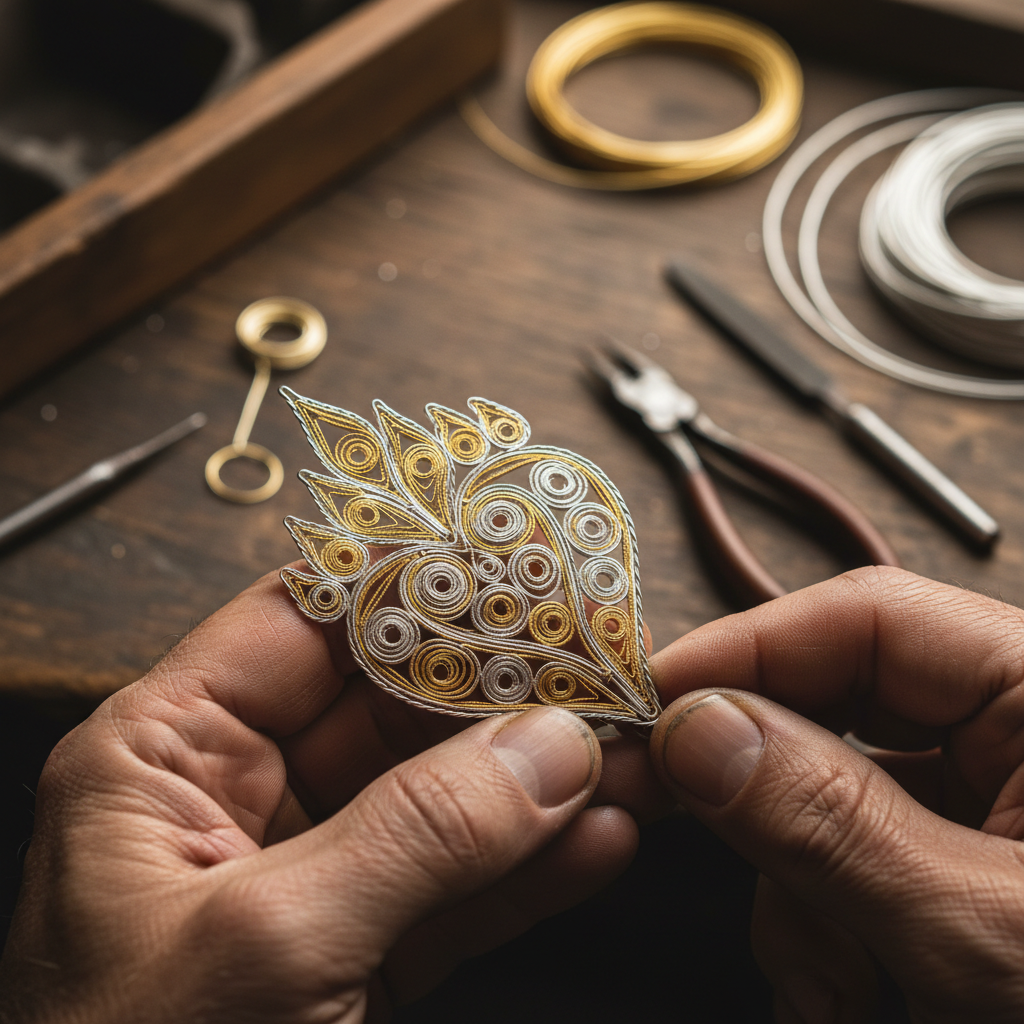
Discover the ancient art of Portuguese filigree in Póvoa de Lanhoso, where master artisans weave gold wire into breathtaking jewelry and cultural icons.
In the verdant landscapes of northern Portugal, where the hills of Minho roll toward the horizon, lies a small town with a legacy that shines as brightly as the precious metals it transforms. Póvoa de Lanhoso is the spiritual and historical home of Portuguese filigree, a delicate art form that turns gold and silver wire into intricate masterpieces. This is not merely jewelry; it is a testament to patience, heritage, and a profound connection to the past. For the discerning traveler, a journey to this region offers a rare glimpse into a world where time seems to stand still, and the hands of master artisans continue to weave stories in gold.
## The Essence of Filigree: A Legacy of Light
Filigree, or *filigrana* in Portuguese, is the art of twisting two very thin wires of gold or silver and then soldering them together to create a larger pattern. While various forms of filigree exist across the globe, the Portuguese style is distinguished by its extreme delicacy and its deep cultural symbolism. In Póvoa de Lanhoso, this tradition is more than an industry. It is a fundamental part of the local identity.
For centuries, these intricate pieces have been an essential element of the Minho region's traditional costumes. On festival days, particularly during the Romaria de Nossa Senhora da Agonia in nearby Viana do Castelo, women appear adorned in breathtaking displays of gold. Large heart-shaped pendants, intricate earrings known as *arrecadas*, and thick chains represent not just wealth, but family history, protection, and devotion.
## The Heart of the Craft: The Viana Heart
Perhaps the most iconic symbol of Portuguese filigree is the *Coração de Viana* (the Heart of Viana). Despite its name, its production is deeply rooted in the workshops of Póvoa de Lanhoso. Unlike the anatomical heart, this stylized version features a flame rising from the top, symbolizing the Sacred Heart of Jesus and the warmth of divine love.
The craftsmanship required to produce a single heart is immense. The artisan begins with a thicker frame, which is then filled with thousands of tiny, curled wires. These minuscule curls, often no thicker than a human hair, are placed one by one with surgical precision before being soldered. The result is a piece that looks like golden lace, light enough to be worn comfortably yet substantial in its artistic value.
## Exploring the Workshops of Póvoa de Lanhoso
The true magic of filigree is best understood by observing the process firsthand. The town is dotted with small, often family-run workshops where the rhythmic sound of small hammers and the soft hiss of blowtorches provide a constant soundtrack. Many of these artisans are third or fourth-generation goldsmiths, having learned the trade at their parents' benches.
### The Role of the Master Artisan
A master goldsmith in Póvoa de Lanhoso possesses a level of dexterity that is increasingly rare in the modern world. Watching a master at work is a meditative experience. They manipulate the wire with tweezers, forming perfect spirals and geometric patterns that seem to defy the physical limitations of the metal. There is no room for error; the soldering process requires a perfect balance of heat to join the wires without melting the delicate structure.
### Traditional Motifs and Modern Evolutions
While the Heart of Viana remains a favorite, the repertoire of Póvoa de Lanhoso includes many other traditional motifs. The *Caramujo* (snail) earrings, characterized by their spiral shapes, and the *Relicários* (reliquaries) are staples of the craft. However, the tradition is not stagnant. A new generation of designers is beginning to blend these ancient techniques with contemporary aesthetics, creating pieces that appeal to international fashion houses while respecting the heritage of the Minho.
## The Gold Route: A Cultural Journey
Póvoa de Lanhoso serves as the anchor for what is often called the Gold Route. Beyond the jewelry itself, the region is rich in history. The Castle of Lanhoso, perched atop a massive granite monolith, offers panoramic views of the territory where this art form flourished. The castle is one of the most imposing in Portugal and serves as a reminder of the strategic importance of this land during the foundation of the Portuguese kingdom.
A visit to the local Filigree Museum is also highly recommended. Here, visitors can see historical tools, rare antique pieces, and learn about the technical evolution of the craft. It provides the necessary context to appreciate the small workshops tucked away in the surrounding villages, such as Travassos, which is often cited as the true cradle of the local gold trade.
## The Significance of the Minho Region
To understand filigree is to understand the Minho. This is a land of vibrant green valleys, ancient stone granaries (*espigueiros*), and a people known for their hospitality and tenacity. The jewelry was historically a form of insurance for rural families; gold was portable wealth that could be passed down through generations. Today, it remains a symbol of pride.
When visiting the area, travelers will notice that the appreciation for filigree permeates all levels of society. It is not uncommon to see a local woman wearing a small filigree cross even while performing daily tasks. It is a living tradition, woven into the very fabric of daily life.
## Planning Your Visit to the Land of Gold
For those wishing to explore the filigree tradition, Póvoa de Lanhoso is best accessed from the city of Braga or Porto. The winding roads of the Minho offer scenic drives, but they require a focused approach to navigate the hidden corners where the best workshops are located.
### When to Go
While the workshops operate year-round, the summer months are particularly vibrant. August is a time of many local festivals where traditional costumes and gold are on full display. However, a visit in the spring or autumn allows for a more quiet, intimate exploration of the workshops and the natural beauty of the Peneda-Gerês National Park, which is situated just a short distance away.
### Cultural Etiquette
When visiting smaller workshops, it is important to remember that these are active places of work. The artisans are generally proud to show their craft, but they appreciate visitors who respect the focus required for their delicate tasks. Many workshops have a small gallery or shop attached where pieces can be purchased directly from the makers, ensuring the authenticity and provenance of the jewelry.
## A Premium Experience in Northern Portugal
Discovering the filigree of Póvoa de Lanhoso is a journey of refinement. It appeals to those who value the "slow" movement, slow fashion, slow travel, and the preservation of human skill over mass production. The experience of holding a piece of hand-crafted Portuguese gold, feeling its lightness and seeing the intricate shadows cast by the wire, is something that cannot be replicated.
For international travelers seeking to immerse themselves in the authentic soul of Portugal, the Minho region offers an unparalleled depth of culture. From the granite peaks of the mountains to the golden threads of the workshops, it is a place where every element tells a story of devotion and artistry.
## Discover the North in Comfort
Exploring the hidden gems of the Minho, from the historic streets of Braga to the artisan enclaves of Póvoa de Lanhoso, is best done with the flexibility and ease of a private vehicle. The region's beauty is found in its details, and having the freedom to stop at a scenic viewpoint or spend an extra hour in a master's workshop makes all the difference.
Portugal Magik provides a sophisticated way to navigate this northern landscape. With a fleet of premium Mercedes-Benz vehicles and professional English-speaking drivers who understand the nuances of the region, your journey through the land of gold will be as seamless as it is memorable. Our team is dedicated to providing the transport and logistical support needed for discerning travelers to explore Portugal at their own pace.
Speak with our team and discover how to turn this experience into reality.