The Granite Soul of the Dão: A Private Connoisseur’s Guide to the Noble Terroir and Aristocratic Estates of Viseu
By Portugal Magik · Published 2026-08-20
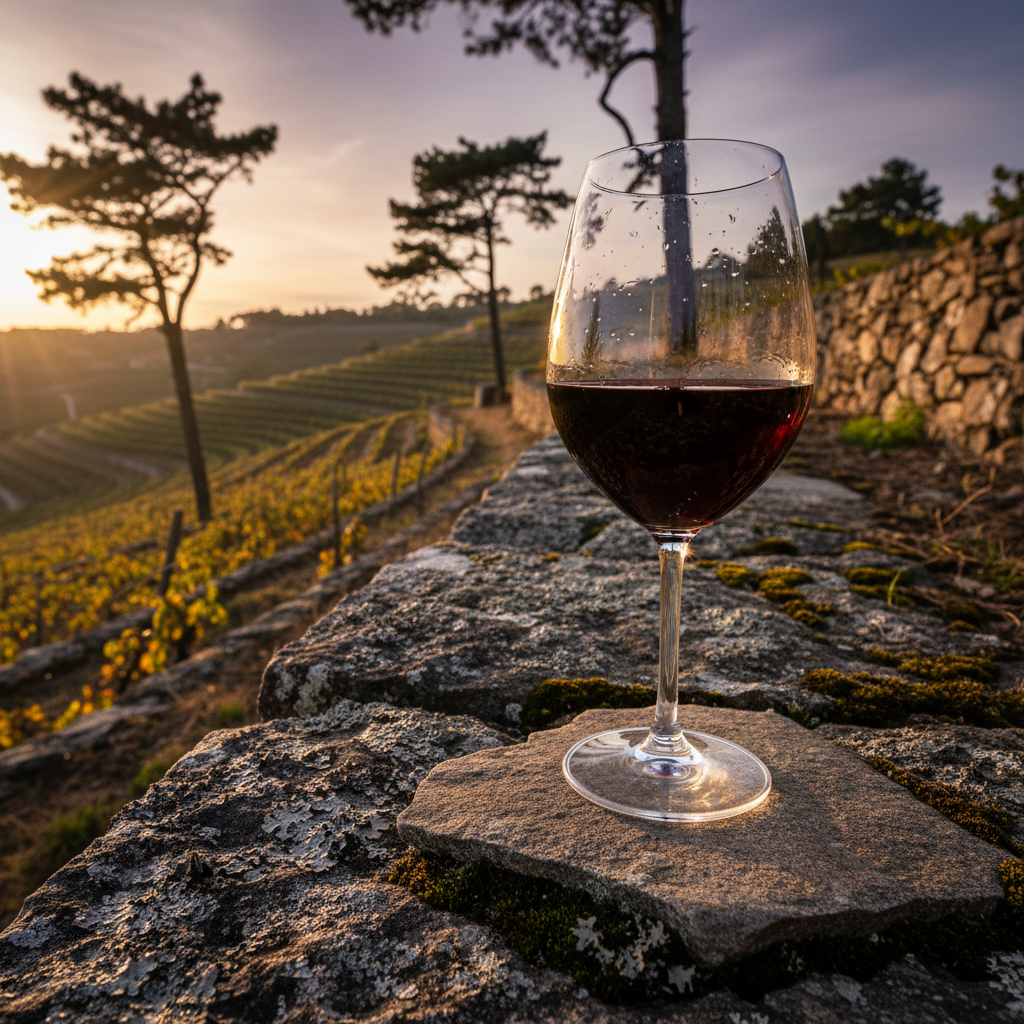
Explore the Dão, Portugal’s most elegant wine region. Discover the granite architecture of Viseu, the heritage of aristocratic estates, and the sophisticated wines of a noble terroir.
For the discerning traveler, the heart of Portugal beats with a rhythm far removed from the coastal bustle. Deep in the interior, sheltered by the formidable peaks of the Serra da Estrela, Serra do Caramulo, and Serra da Nave, lies the Dão region. This is a landscape defined by granite, an ancient stone that dictates the character of the soil, the strength of the architecture, and the very soul of the wines produced here. Often referred to as the Burgundy of Portugal, the Dão is home to some of the nation’s most elegant, age-worthy, and refined vintages, many of which are born within the walls of aristocratic estates that have remained in the same families for centuries.
Exploring this region requires a certain pace. It is not a place for the hurried tourist, but rather for the connoisseur who appreciates the quiet dignity of a manor house and the subtle complexities of a glass of Encruzado. To truly understand the Dão is to journey into Viseu, a city of noble heritage, and venture into the surrounding countryside where granite boulders sit amidst vineyards like silent guardians of a storied past.
## The Noble Heart of Viseu
Viseu, often voted as one of the cities with the highest quality of life in Portugal, serves as the sophisticated gateway to the Dão. Unlike the colorful, tiled facades of Lisbon or Porto, Viseu is a city of grey stone and white lime, radiating an aura of understated power and historical significance.
The Adro da Se is perhaps one of the most magnificent squares in the country. Standing here, one is flanked by the imposing Viseu Cathedral, a masterpiece that blends Romanesque and Manueline styles, and the Misericordia Church with its elegant Rococo facade. The granite pavement beneath your feet has felt the tread of counts and kings, and the nearby Museu Nacional Grao Vasco holds treasures that reflect the region’s long standing devotion to the arts.
Wandering through the narrow, winding streets of the old quarter, guests will encounter numerous "solares," or manor houses. These aristocratic residences, with their carved stone coats of arms and manicured interior courtyards, are a testament to the wealth and influence that the wine trade and noble lineages brought to this highland plateau.
## The Essence of the Terroir: Granite and Altitude
What sets the Dão apart from other Portuguese wine regions, such as the Douro or Alentejo, is its unique microclimate and geological composition. The region is effectively a plateau surrounded by mountains, which protect the vines from the harsh Atlantic winds and the searing heat of the interior.
The soil is predominantly granite. This ancient rock, slowly weathered over millennia, provides a mineral-rich foundation that encourages the vines to dig deep. The result is a wine with remarkable acidity and freshness. While other regions may produce "big" or "powerful" wines, the Dão is celebrated for its balance, its silky tannins, and its incredible potential for aging.
### The Noble Grapes of the Dão
To understand the granite soul of this region, one must become acquainted with its signature varietals:
* **Touriga Nacional:** While this grape is famous throughout Portugal, many experts believe its true home is the Dão. Here, it produces wines of immense elegance, with notes of violet, black fruit, and a distinct mineral backbone. * **Encruzado:** This is the crown jewel of Portuguese white grapes. Almost exclusively found in the Dão, Encruzado creates wines that are structured and complex. When young, they are fresh and floral; with age, they develop nutty, honeyed characteristics that rival the great white Burgundies. * **Alfrocheiro:** A grape that contributes deep color and intense aromas of ripe blackberries and wild strawberries, maintaining a crisp acidity that is the hallmark of the region.
## The Aristocratic Estates
The Dão is characterized by its "Quintas," many of which are centuries old. These are not merely production facilities but ancestral homes where the history of Portuguese viticulture is preserved. The estates in this region often feature beautiful gardens, historic chapels, and cool, dark cellars where wine rests in large oak vats (tonels) or French oak barriques.
The experience of visiting these estates is deeply personal. Many properties remain in the hands of the original families, who take immense pride in sharing the legacy of their land. The gardens, often designed in the formal French style or as romantic English landscapes, provide a serene backdrop to the rugged beauty of the vineyards. It is common to see ancient camellias, towering cedars, and boxwood hedges framing the granite manor houses, creating an atmosphere of timeless grace.
## Culinary Traditions of the Highlands
A journey through the Dão is as much a gastronomic experience as it is a viticultural one. The food here is robust yet refined, designed to complement the structure of the local wines.
The region is famous for its Queijo Serra da Estrela, a buttery, sheep’s milk cheese that is widely considered Portugal’s finest. It is often served at the start of a meal, scooped out with crusty bread. For main courses, the focus turns to high-quality meats. Roasted kid (cabrito) and veal from the local Lafões breed are staples, often prepared with simple seasonings that allow the quality of the product to shine.
In the autumn, the forests surrounding Viseu yield a bounty of wild mushrooms and chestnuts, which find their way into sophisticated stews and side dishes. For dessert, the conventual sweets of the region, rich in egg yolks and sugar, provide a decadent conclusion to a highland feast.
## Planning Your Journey to the Dão
The Dão is a region that rewards the patient traveler. While it is possible to visit on a day trip from Porto, a more immersive experience involves staying in or near Viseu for several days to truly soak in the atmosphere.
### Best Time to Visit
The Dão is beautiful year-round, but two seasons are particularly captivating. The autumn harvest (late September to October) brings a vibrant energy to the quintas, as the leaves turn to shades of gold and copper. Spring (April to June) is equally stunning, as the wildflowers bloom between the vines and the air is crisp and clear.
### Getting Around
The Dão is a rural, spread-out region. The most picturesque estates are often tucked away at the end of narrow country lanes. To navigate this landscape with ease and sophistication, a private vehicle and a knowledgeable driver are essential. This allows guests to appreciate the scenery, engage in tastings without concern for the road, and discover hidden gems that are not easily found on a map.
## The Art of Private Travel in the Interior
For those seeking a premium experience, the journey is as important as the destination. Traveling in a modern, climate-controlled Mercedes-Benz vehicle ensures that the transition between the historic center of Viseu and the remote vineyards is seamless and comfortable.
A professional driver-guide provides more than just transportation; they offer a window into the local culture. They can share the stories of the families who own the estates, explain the nuances of the granite architecture, and ensure that the pace of the day matches the relaxed, aristocratic spirit of the Dão itself. Whether it is a couple seeking a romantic escape or a small group of wine enthusiasts, this level of personalization is what transforms a simple trip into a lifelong memory.
## Conclusion
The Dão is a region of quiet whispers rather than loud shouts. It is a place where the weight of history is felt in every granite block and the elegance of the land is tasted in every drop of wine. From the noble squares of Viseu to the high-altitude vineyards sheltered by the mountains, it offers a sophisticated alternative for the traveler who seeks depth, authenticity, and refined beauty.
To experience the granite soul of the Dão is to touch the very essence of Portugal. It is a journey into the heart of a noble terroir, where the past and the present coexist in perfect, elegant harmony.
Speak with our team and discover how to turn this experience into reality. Request your personalized proposal today to begin your journey through the noble estates of the Dão.