The Granite Silence: A Private Connoisseur’s Guide to the Prehistoric Monuments of Evora and the Alentejo Megalithic Circuit
By Portugal Magik · Published 2026-05-03
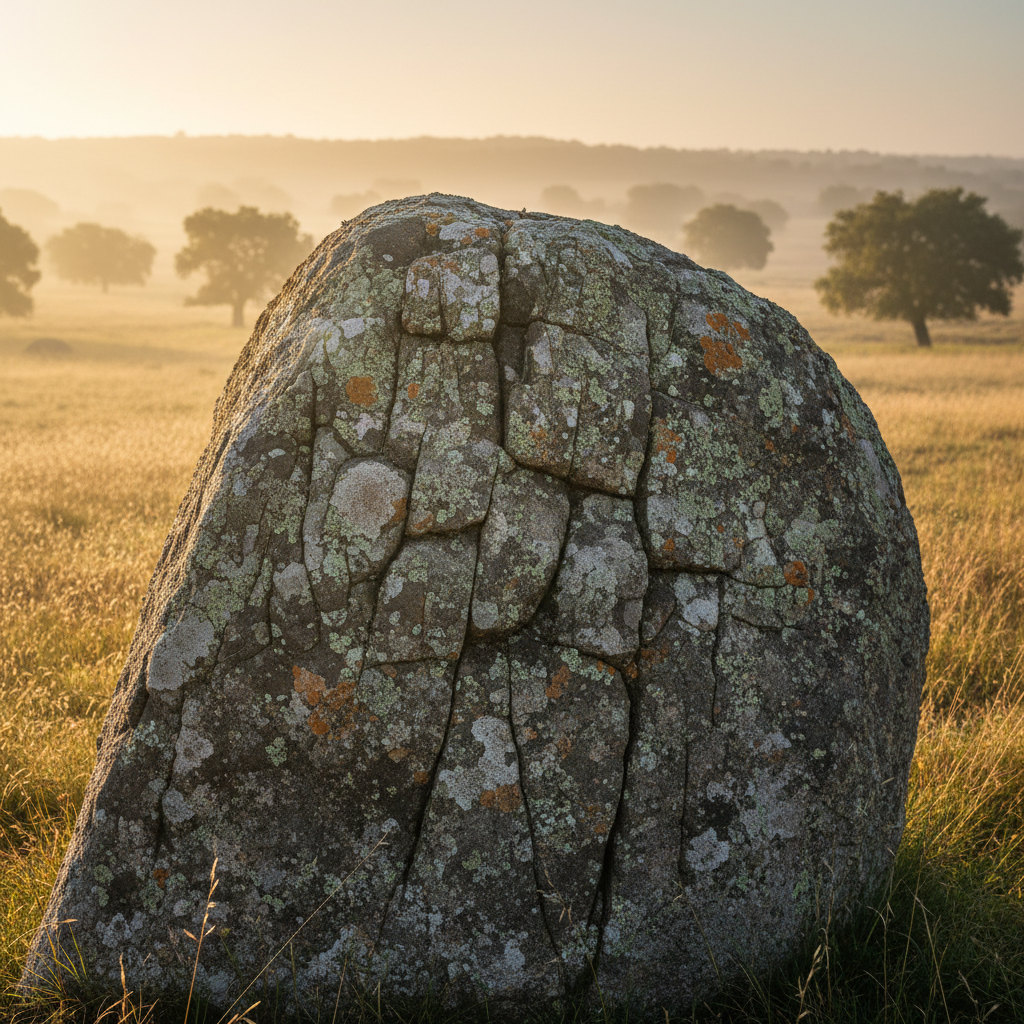
Discover the ancient stone circles and massive dolmens of the Alentejo with our guide to the region's prehistoric wonders. Explore the granite silence of Portugal's megalithic history.
Beneath the vast, cerulean skies of the Alentejo, where the golden plains are punctuated only by the occasional cork oak or olive grove, lies a landscape that whispers secrets from the dawn of humanity. While many visitors are drawn to Portugal for its golden coastlines or baroque cities, the region surrounding Évora holds a different kind of allure. This is a land of "Granite Silence," where massive stone monuments have stood undisturbed for thousands of years, predating even the iconic Stonehenge.
To explore the Alentejo Megalithic Circuit is to step into a prehistoric cathedral. It is an experience best suited for those who appreciate the weight of history and the quiet beauty of ancient craftsmanship. For the discerning traveler, these sites offer a profound connection to our collective past, far removed from the bustling crowds of more conventional landmarks.
## The Epicenter of Iberian Prehistory
Évora is often celebrated for its Roman Temple and its Gothic Cathedral, yet its most significant historical legacy may be far older. The district is home to one of the most important concentrations of Neolithic monuments in Europe. These structures, built by seafaring peoples and early agricultural communities between 6000 and 3000 BC, represent a sophisticated understanding of astronomy, geography, and social organization.
Advancing through this landscape requires a deliberate pace. The Alentejo does not reveal its treasures to the hurried observer. Instead, it invites a contemplative approach, where the journey between the stones is as significant as the monuments themselves.
## The Cromeleque dos Almendres: A Celestial Alignment
The crown jewel of the circuit is undoubtedly the Almendres Cromlech. Situated on a hillside that commands a panoramic view of the horizon, this megalithic complex consists of nearly one hundred monoliths arranged in two large concentric ovals.
Walking through these standing stones, one notices the deliberate placement. Some stones are etched with dimples or faint geometric engravings, known as "crook" or "staff" motifs, believed to be symbols of status or spiritual significance. The silence here is heavy, broken only by the rustle of the wind through the surrounding cork trees.
Historians and archaeologists suggest that Almendres was not merely a ceremonial site but a celestial observatory. At the equinoxes, the alignment of the stones with the rising sun suggests a deep-rooted understanding of the seasons, essential for the survival of early farming communities. It is a place that demands stillness, allowing the visitor to contemplate the passage of millennia.
## The Solitary Sentinels: Menhirs of the Alentejo
While the cromlech represents the communal heart of the region, the solitary menhirs found nearby serve as striking geographic markers.
### The Almendres Menhir Not far from the main complex stands the Menhir of Almendres. This single, tall granite needle points toward the sky with a deliberate elegance. Its location is strategically aligned with the cromlech, pointing toward the sunrise on the Winter Solstice.
### The Menhir of Meada For those willing to venture further north toward Castelo de Vide, the Menhir of Meada awaits. Standing at over seven meters, it is the tallest prehistoric monolith in the Iberian Peninsula. Its sheer scale is a testament to the engineering prowess of the Neolithic inhabitants, who moved and erected these massive blocks using only primitive tools and collective human strength.
## The Great Dolmen of Zambujeiro: A Gateway to the Afterlife
If the cromlechs were for the living to converse with the stars, the dolmens (or *antas*) were built for the eternal rest of the ancestors. The Anta Grande do Zambujeiro is one of the largest funerary chambers in the world.
Entering the vicinity of this monument, one is struck by the massive vertical slabs that support a colossal horizontal capstone. Originally covered by a mound of earth known as a tumulus, the chamber was a sacred space used for successive burials over centuries. The artifacts discovered here, such as polished stone axes and delicate ceramic vessels, suggest a society with complex beliefs regarding the afterlife and a high degree of artistic refinement.
## The Interpretative Landscape: Escoural Cave
To truly understand the people who built these monuments, a visit toward the Escoural Cave provides essential context. Discovered in the mid-twentieth century, this natural limestone cave served as both a sanctuary and a burial site. It contains rare examples of Paleolithic rock art, including engravings and paintings of horses and bovids.
The cave transition from a Paleolithic shelter to a Neolithic burial site illustrates the continuity of human presence in the Alentejo region. It serves as the foundation for the megalithic culture that would eventually produce the monumental stone circles found across the plains.
## Practical Considerations for the Discerning Traveler
Visiting the Alentejo Megalithic Circuit requires preparation, as many of these sites are located on private farmland or at the end of unpaved trails.
* **Timing:** The best time to visit is during the spring (late March to May) when the fields are carpeted in wildflowers, or in the autumn (September to October). The summer months can be excessively warm, often exceeding 35 degrees Celsius (95 degrees Fahrenheit). * **The Journey:** While some sites are accessible by smaller vehicles, certain inland tracks are better navigated by a professional driver who is familiar with the terrain and the specific locations of the more secluded monuments. * **Attire:** We suggest wearing comfortable footwear suitable for uneven, natural ground and a wide-brimmed hat to protect against the Alentejo sun. * **Évora as a Base:** The city of Évora offers exceptional high-end accommodation options, including converted convents and historic palaces that provide a sophisticated retreat after a day of exploration.
## A Sophisticated Approach to Early History
Exploring the prehistoric monuments of the Alentejo is an exercise in perspective. It challenges the modern mind to slow down and consider a time when the rhythm of life was dictated by the stars and the seasons. There is a profound elegance in the simplicity of these granite forms, a beauty that transcends the need for ornamentation.
For the connoisseur of history, the circuit is not just a collection of archaeological sites. It is a curated experience of nature, heritage, and silence. It is about the feeling of the cool granite beneath one’s palms and the sight of a four-thousand-year-old monument standing resolute against a modern sunset.
## Exploring the Circuit with Portugal Magik
Navigating the vast landscapes of the Alentejo requires both comfort and expertise. At Portugal Magik, we have spent fourteen years perfecting the art of the private journey. Our fleet of Mercedes-Benz vehicles, including the elegant E-Class and the spacious V-Class, is ideally suited for the rural roads of the Alentejo, ensuring your travels are as refined as the destinations themselves.
Our English-speaking drivers are dedicated to providing a seamless experience, allowing you to focus entirely on the historical wonders around you. We offer the flexibility to linger at the Almendres Cromlech long after the last tour bus has departed, or to find the hidden menirs that few travelers ever see. Door-to-door service and a commitment to your comfort are the hallmarks of our approach.
To experience the prehistoric soul of Portugal away from the typical tourist routes, we invite you to reach out. Speak with our team and discover how to turn this experience into reality.