The Granite Shield: A Private Connoisseur’s Guide to the Templar Castles and Noble Borderlands of Beira Baixa
By Portugal Magik · Published 2026-08-10
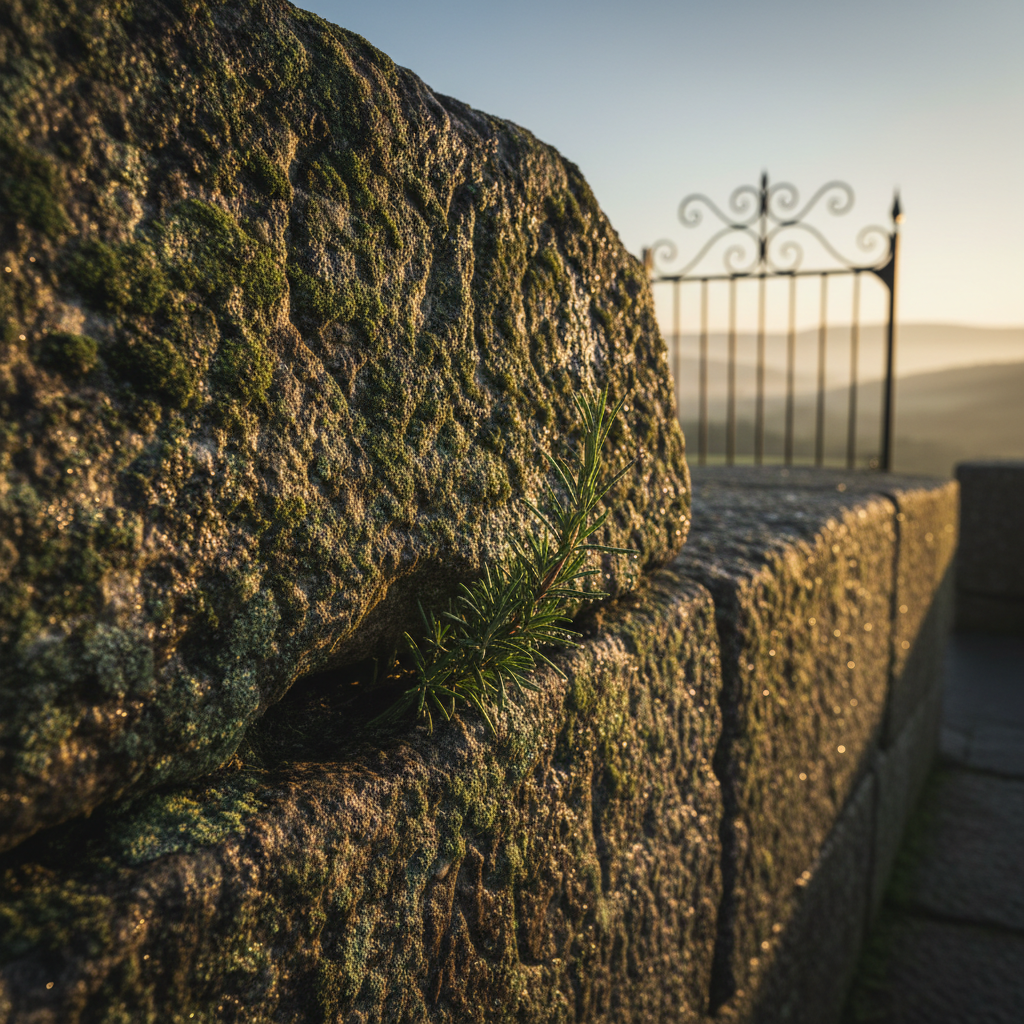
Explore the rugged beauty of Beira Baixa, a land of Templar fortresses, granite villages, and ancient Roman history on the Portuguese frontier.
The eastern frontier of Portugal, where the Tagus River carves deep through the landscape and the Iberian plateau begins its ascent, holds a silent, formidable history. Known as the Beira Baixa, this region served for centuries as the nation's granite shield. It is a land defined by high-altitude fortresses, knightly orders, and medieval villages that seem to grow directly out of the boulders they inhabit.
For the discerning traveler, Beira Baixa offers an escape from the crowded coastal circuits. This is a journey through a rugged, evocative landscape where the Knights Templar once stood guard over the nascent kingdom. To traverse these borderlands is to witness the enduring legacy of Portuguese resilience, expressed through sophisticated stone masonry and an unbreakable connection to the earth.
## The Templar Legacy in Castelo Branco
The provincial capital, Castelo Branco, serves as the gateway to these noble borderlands. The city’s name, meaning White Castle, speaks to its origins as a military stronghold. However, the true treasure of the city is found not in its walls, but in its curated gardens and intricate artistry.
The Bishop’s Palace Garden (Jardim do Paço Episcopal) is one of the most remarkable examples of Baroque landscaping in Europe. Here, sculpted hedges and elegant fountains are framed by statues of apostles, kings, and symbols of the zodiac. It is a place of quiet reflection, representing the triumph of human order over the wild landscape of the interior.
Equally significant are the Colchas de Castelo Branco. These hand-embroidered silk bedspreads represent a craft dating back to the 16th century. The intricate motifs, often featuring birds and flowers, are a testament to the region’s historical wealth and its connections to the Far East during the Age of Discovery. Exploring these artisanal traditions provides a soft contrast to the military austerity of the surrounding hills.
## Monsanto: The Most Portuguese Village
Rising dramatically from the plains, Monsanto is often cited as the most unique village in the country. Perched on a steep granite hill, the village is famous for its integration with the landscape. Homes are built between, around, and even underneath gargantuan granite boulders that weigh hundreds of tons.
### A Citadel of Stone The climb to the ruined Templar castle at the summit is a journey through time. The path winds past Manueline doorways and Romanesque chapels, eventually revealing a panoramic view that stretches across the border into Spain. The Knights Templar were granted these lands in the 12th century, and the ruins of their fortress still evoke the strategic importance of this high ground.
### The Legend of the Pot Each year, the village celebrates the Feast of the Holy Cross. According to legend, during a long siege, the villagers threw a calf over the walls to convince their attackers they had food to spare. The ruse worked, the siege was lifted, and today, the event is commemorated by throwing clay pots filled with flowers from the ramparts. This blend of history and folklore creates an atmosphere that feels entirely untouched by the modern world.
## Idanha-a-Velha: The Roman Egitania
Just a short distance from the heights of Monsanto lies the valley floor and the ancient village of Idanha-a-Velha. This site was once Egitania, a significant Roman city that later became a Visigothic bishopric. Today, it is a living museum, home to one of the most important collections of Roman epigraphy in the Iberian Peninsula.
Walking through the village, one notices how every era has left its mark. Roman stones were repurposed for Visigothic cathedrals, which were later adapted by the Templars. The silence of the village is profound, broken only by the sound of the wind through the olive groves. It is a site for the true connoisseur of history, offering a rare opportunity to see the layers of European civilization stacked one upon the other in a single, quiet square.
## The Fortress of Penha Garcia
Further north along the border lies Penha Garcia, a village that clings to a jagged ridge above the Ponsul River. The castle here, another Templar commission, offers perhaps the most dramatic views in the region.
Below the village, the Geopark Naturtejo reveals a much older history. The river has carved a deep gorge where visitors can observe 450-million-year-old trilobite fossils embedded in the rock faces. The combination of geological deep time and medieval military history makes Penha Garcia a destination of immense intellectual and aesthetic appeal. The sight of the white-washed houses set against the dark, folded rock of the canyon is a masterclass in natural drama.
## The Sophistication of the Beira Interior
Travel through the Beira Baixa is not merely a lesson in history; it is an immersion in a specific way of life. The gastronomy of the region reflects the ruggedness of the land, focusing on high-quality olive oils, mountain cheeses like the PDO Queijo de Castelo Branco, and robust red wines from the Beira Interior region.
The architecture here is dominated by granite and schist, materials that lend the villages a timeless, monumental quality. Whether it is the fortified walls of Sortelha or the river-stone houses of the nearby schist villages, the aesthetic is one of permanence and quiet strength.
## Navigating the Borderlands
The Beira Baixa is best experienced with a dedicated approach to travel. The roads wind through cork forests and granite outcrops, where the journey itself is as significant as the destination.
### The Advantage of Professional Guidance Due to the remote nature of these historic sites and the complexity of the mountain terrain, the logistics of a visit can be demanding. Engaging a professional driver allows travelers to focus entirely on the scenery and the historical narrative. The transition from the high-altitude fortresses to the hidden valleys is seamless when handled by an expert who understands the nuances of the regional roads.
### Seasonal Considerations The region experiences a true four-season climate. Spring brings a carpet of wildflowers and almond blossoms to the valleys, while autumn offers a golden hue to the vineyards and a crispness to the air that is ideal for exploring the castle ruins. Summer is warm and dry, emphasizing the arid beauty of the plains, while winter can bring a dusting of snow to the higher peaks, adding a layer of silent majesty to the granite peaks.
## A Journey of Discovery
The Beira Baixa remains one of Portugal's most authentic frontiers. It is a place where the weight of history is felt in every stone and the spirit of the Knights Templar still seems to linger in the mountain mist. For those who seek a deeper understanding of the Portuguese soul, beyond the familiar sights of the coast, these noble borderlands offer a reward of unparalleled depth and beauty.
The experience of standing atop the ramparts of Monsanto or walking the Roman streets of Idanha-a-Velha is a reminder that the most profound travel experiences are often found in the quiet corners of the world. Here, the granite shield of Portugal still stands, guarding the secrets of the past for those who take the time to look.
To explore this region with the grace and comfort it deserves, consider the benefits of a private, chauffeured experience. Portugal Magik brings 14 years of expertise to these hidden paths, utilizing a premium Mercedes-Benz fleet to ensure your journey through the Beira Baixa is as refined as the history it reveals. With a professional English-speaking driver at the helm, the complexities of the route disappear, leaving you free to immerse yourself in the legends of the Templars and the timeless beauty of the Portuguese interior.
Speak with our team and discover how to turn this experience into reality.