The Granite Sentinels of the Raia: A Private Connoisseur’s Guide to the Medieval Fortress Villages of the Northern Border
By Portugal Magik · Published 2026-08-16
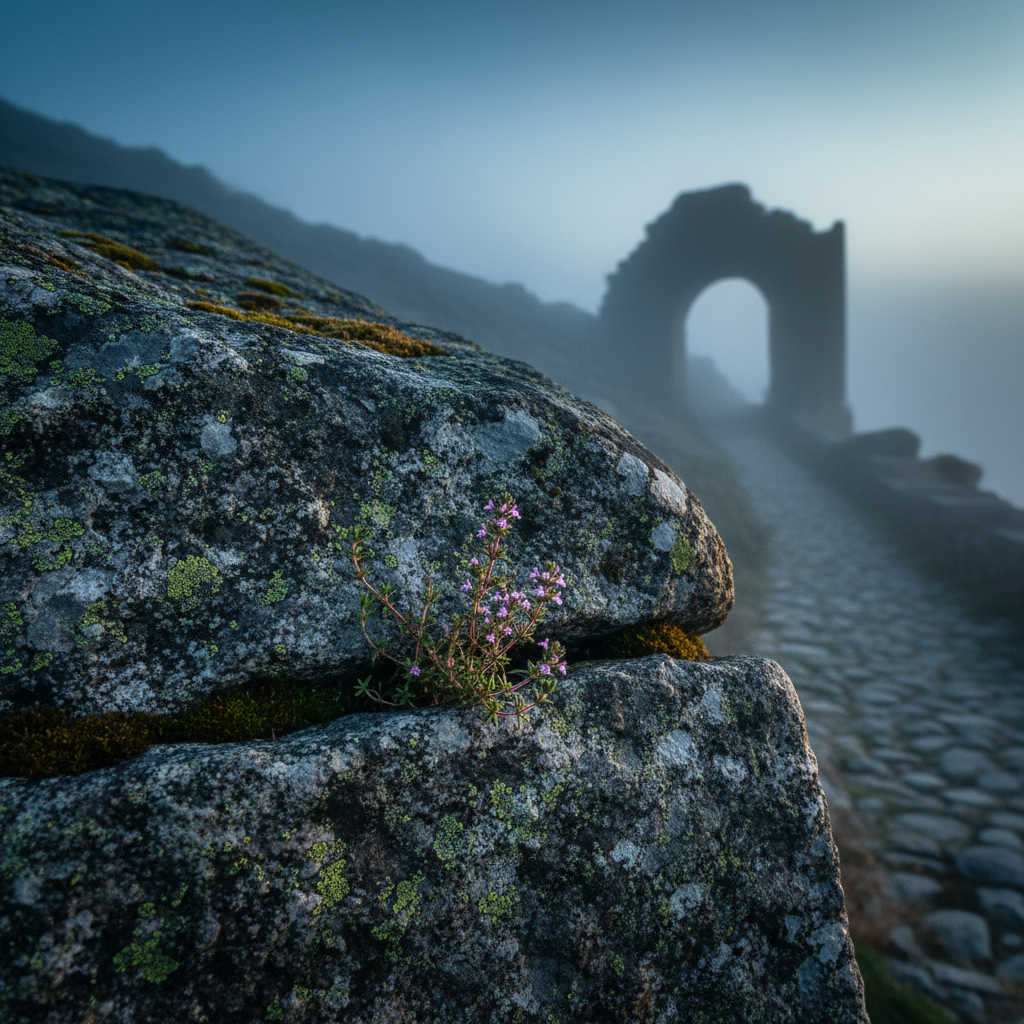
Discover the rugged beauty and historical depth of Portugal's northern border villages, where ancient granite fortresses stand guard over a timeless landscape.
The northern border of Portugal, a rugged frontier known as the Raia, holds some of the most evocative landscapes in Western Europe. Here, the geography is defined by colossal granite boulders and steep mountain ridges, where silence is only broken by the wind and the occasional chime of a distant sheep bell. For centuries, this was a land of constant vigilance, where the kingdom of Portugal cemented its sovereignty through a network of fortified villages. Today, these granite sentinels stand as monuments to a bygone era, offering a profound sense of history and solitude to those who seek them.
Exploring this remote region requires a pace that respects its ancient rhythms. The northern Raia is not a place for rushed itineraries or crowded coaches. It is a destination for the discerning traveler who appreciates the nuances of stone architecture, the depth of local heritage, and the comfort of arriving in style. To traverse these winding mountain roads in a premium Mercedes-Benz vehicle, guided by a professional who understands the cultural fabric of the land, is the only way to truly unlock the secrets of the borderlands.
## The Fortress of Almeida: A Star in the Wilderness
One of the most remarkable examples of military engineering in Europe is found at Almeida. Unlike the medieval hilltop castles seen elsewhere, Almeida is a masterpiece of seventeenth and eighteenth-century Vauban-style architecture. From the ground, the village appears tucked behind massive earthen ramps and stone walls. From above, its perfect twelve-pointed star shape reveals itself, a design intended to withstand the most sophisticated artillery of the time.
Walking through the vaulted gates of Almeida feels like entering a time capsule. The streets are paved in traditional stone, lined with elegant manor houses and military barracks that have been repurposed for modern life. The atmosphere is one of quiet dignity. The thick walls, which once held off invading Napoleonic forces, now provide a peaceful promenade with sweeping views across the plains toward Spain. It is a place where the weight of history is palpable in every shadow.
## Castelo Rodrigo: Where Stone and History Intertwine
Perched high on a ridge overlooking the Coa Valley, Castelo Rodrigo is often cited as one of the most beautiful historic villages in the country. Its history is a complex tapestry of shifting loyalties and diverse cultures. For a time, it belonged to the Kingdom of Leon before becoming definitively Portuguese, and it served as a vital sanctuary for New Christians during the Inquisition.
The village remains largely contained within its medieval walls. Visitors can wander through narrow alleys where the golden hue of the stone changes with the position of the sun. The ruins of the Palace of Cristovao de Moura stand as a haunting reminder of the village's political past. Nearby, the parish church displays a rare blend of Romanesque and Gothic styles, housing a small statue of Saint James that has looked over pilgrims for centuries. The surrounding landscape, characterized by almond trees and olive groves, offers a stark, beautiful contrast to the gray granite of the fortifications.
## Monsanto: The Village Between the Rocks
Further south along the border, though still firmly within the influence of the Raia, lies Monsanto. It is often described as the most Portuguese village in Portugal, a title it earned in the mid-twentieth century. However, its true appeal lies in its extraordinary relationship with the natural environment. The village is built into and around enormous granite boulders, some of which serve as roofs or walls for the local houses.
The climb to the castle at the top of the hill is a journey through a prehistoric landscape. The fortress, originally built by the Knights Templar, offers a 360-degree view of the Beira region. It is a place of legend and folklore, where the annual Festival of the Holy Cross commemorates a legendary siege victory. For the traveler, Monsanto represents the ultimate expression of human adaptability, a place where architecture and geology are inseparable.
## Sortelha: The Medieval Jewel
If one were to imagine a quintessential medieval village, Sortelha would be the result. Protected by a formidable ring of walls, this village has remained virtually unchanged for hundreds of years. The entrance is marked by a majestic Gothic gateway, leading into a labyrinth of stone houses that seem to grow directly out of the mountain.
The castle of Sortelha, with its slender keep, stands guard over the "Old Woman's Head" (Cabeca da Velha), a natural rock formation that has become an icon of the region. There is a profound stillness here. Without the intrusion of modern signage or contemporary buildings, it is easy to imagine the lives of the soldiers and families who once called this mountain outpost home. It is a destination that rewards slow exploration and a keen eye for architectural detail.
## The Culinary Heritage of the Borderlands
The northern Raia is not just a feast for the eyes; it offers a robust and sophisticated culinary tradition born from the land. The proximity to the mountains and the border has created a unique gastronomic identity. In these villages, guests will find a focus on high-quality ingredients, prepared with time-honored techniques.
The region is famous for its artisanal cheeses, particularly those made from sheep and goat milk, which possess a complexity and depth of flavor rarely found in mass-produced varieties. Smoked meats, known as enchidos, are another staple, often seasoned with local paprika and garlic. During the colder months, wild game and slow-roasted kid goat are the highlights of the local table. For those who appreciate fine wine, the nearby Beira Interior region produces exceptional reds and whites that are beginning to garner significant international acclaim.
## Navigating the Raia with Comfort and Expertise
The geography of the northern border is as challenging as it is beautiful. The roads are often narrow and winding, tracing the contours of the mountains and crossing deep river valleys. Navigating these routes requires precision and local knowledge. This is where the value of a dedicated private driver becomes indispensable.
Traveling in a Mercedes-Benz E-Class or V-Class ensures that the journey between these granite sentinels is as enjoyable as the destinations themselves. Instead of focusing on navigation or parking in tight medieval spaces, guests are free to absorb the scenery, engage in conversation, and learn about the nuances of the region from a professional perspective. The flexibility of a private tour allows for spontaneous stops at hidden viewpoints or a detour to a local artisan's workshop, ensuring that the experience is tailored to individual interests.
### Practical Considerations for the Discerning Traveler
* **Timing:** The best time to visit the northern Raia is during the spring (April to June) when the wildflowers are in bloom, or the autumn (September to November) when the light is soft and the temperatures are mild. * **Attire:** Even in summer, the mountain air can be cool. Layers are recommended, and sturdy, comfortable footwear is essential for navigating the uneven stone streets of the villages. * **Accessibility:** Many of these villages are located on steep hillsides. While the most picturesque areas are accessible only on foot, a private driver can ensure drop-offs are as close to the main points of interest as possible. * **Photography:** The light in this region is spectacular, particularly during the "golden hour" before sunset when the granite glows with a warm, amber hue.
## A Journey into the Heart of Portugal
The medieval fortress villages of the northern border represent the soul of Portugal. They are places of resilience, beauty, and profound history. To visit them is to step away from the modern world and enter a realm where time is measured in centuries rather than minutes.
For the traveler who seeks authenticity without compromising on comfort, the northern Raia offers an unparalleled experience. It is a journey that reveals the true character of the Portuguese people and the enduring strength of their heritage. Whether it is the geometric perfection of Almeida, the rugged charm of Monsanto, or the medieval purity of Sortelha, these granite sentinels wait to tell their stories to those who are willing to listen.
Experience the majesty of the northern border with the peace of mind that comes from fourteen years of expertise. Speak with our team and discover how to turn this experience into reality.