The Granite Roots of the Monarchy: A Private Connoisseur’s Guide to the Romanesque Architecture of the Sousas and Tâmega Valleys
By Portugal Magik · Published 2026-05-24
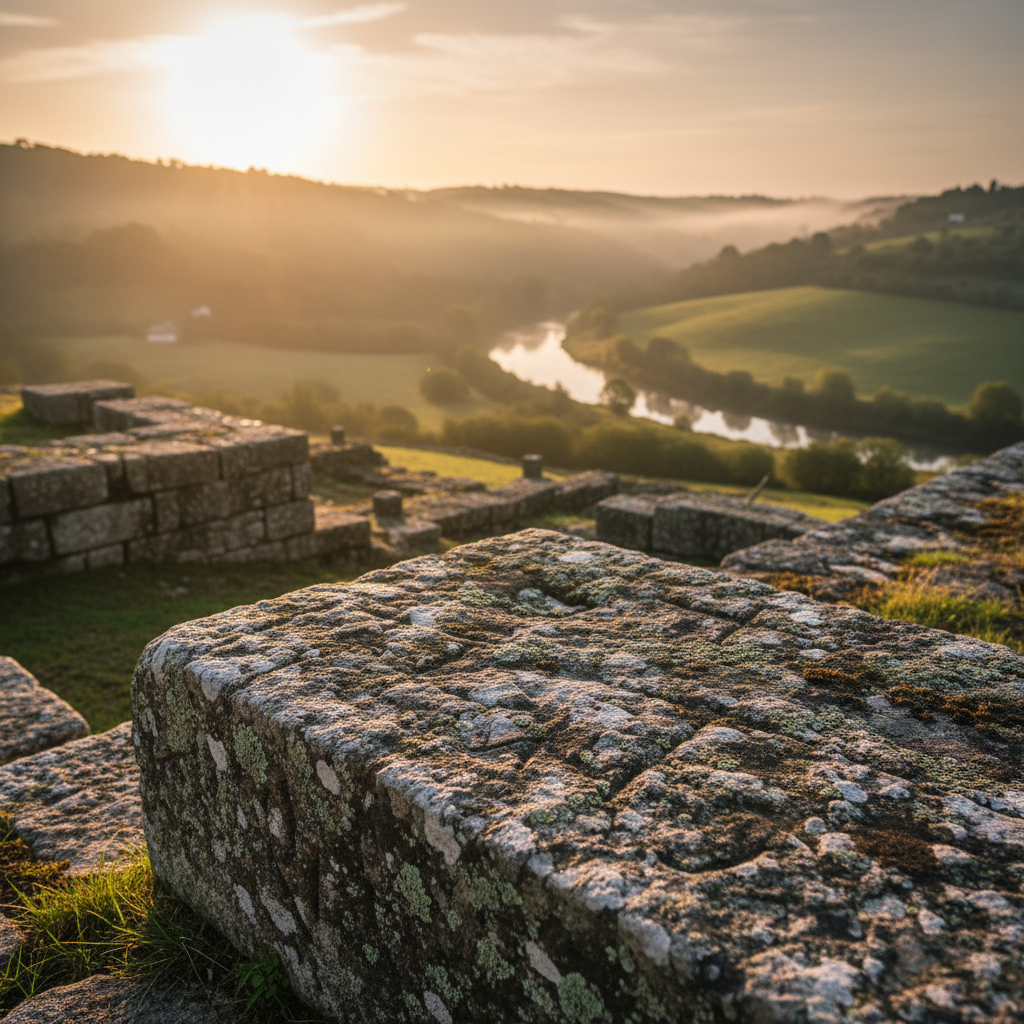
Discover the architectural origins of the Portuguese nation through the granite monasteries and churches of the Sousa and Tâmega Valleys. This guide explores the Romanesque Route, offering a sophisticated look at the medieval heritage of Northern Portugal.
Northern Portugal holds a quiet majesty, far from the coastal bustle and the vibrant energy of its modern cities. Here, nestled within the verdant folds of the Sousa and Tâmega Valleys, lies a collection of monuments that speak to the very birth of the Portuguese nation. This is a landscape where granite rises in austere, geometric precision, forming the Romanesque Route (Rota do Românico). For those with a refined appreciation for history and architecture, this region offers an intimate look at the transition from the medieval dark ages into the golden era of the Portuguese monarchy.
### The Foundations of an Identity
The Romanesque style in Portugal is more than an architectural movement; it is the physical manifestation of a developing sovereignty. During the eleventh and twelfth centuries, as the first kings of Portugal sought to consolidate their territory, they relied heavily on the support of religious orders and influential noble families. The Sousa and Tâmega valleys became the heartland of this expansion.
The buildings found here are characterized by their thick walls, small windows, and sturdy silhouettes. These were not merely places of worship but symbols of power and permanence. To walk through these portals is to enter a world where stone was shaped by hand to endure for eternity, reflecting the unwavering spirit of a kingdom in its infancy.
## The Epicenter of Noble Influence: The Sousa Valley
The Sousa Valley is home to some of the most emblematic examples of Portuguese Romanesque architecture. This area was the ancestral domain of the Sousões, one of the most powerful noble houses during the first dynasty. Their patronage ensured that the local monasteries and churches were built with a level of sophistication that rivaled the great cathedrals of Europe.
### The Monastery of Paço de Sousa
Perhaps the most significant site in this region is the Monastery of San Salvador de Paço de Sousa. It serves as the final resting place of Egas Moniz, the tutor of Afonso Henriques, the first King of Portugal. The monastery is a masterpiece of the "National" Romanesque style, featuring a majestic portal and a burial monument that recounts the heroic deeds of the man who helped forge the nation. The intricate carvings on the sarcophagus are a testament to the high-end craftsmanship that was available to the elite of the twelfth century.
### The Monastery of Santa Maria de Pombeiro
Located in Felgueiras, this monastery was once one of the wealthiest religious houses in Northern Portugal. Its scale is impressive, showcasing how the Romanesque style evolved over time. The church maintains its medieval grandeur, while the surrounding ruins and the later Baroque additions offer a fascinating contrast between different eras of Portuguese art. Discerning travelers will appreciate the silence and the weight of history that permeates the cloister and the nave.
## Along the River: The Tâmega Valley and Beyond
As one moves toward the Tâmega Valley, the landscape shifts. The granite becomes more prominent, and the architecture takes on a more rugged, defensive character. This region acted as a bridge between the coastal plains and the mountainous interior, making it a strategic point for the construction of spiritual and military outposts.
### The Church of São Pedro de Abragão
This small but exquisite church in Penafiel is a hidden gem for connoisseurs. While much of it was renovated in later centuries, the original Romanesque chancel remains a pure example of the style. The stone carvings here are remarkably well preserved, featuring geometric patterns and symbolic figures that hint at the complex spiritual life of the medieval mind. The church sits in a tranquil setting, allowing for a moment of quiet reflection away from the typical tourist trails.
### The Monastery of Santo André de Ancede
Transitioning toward the Douro region, the Monastery of Ancede serves as a reminder of the agrarian wealth that supported these religious institutions. It was an important center for wine production, supplying the monks and the local nobility. While the monastery has seen various architectural transformations, its Romanesque roots remain visible in its sturdy foundations and its integration with the surrounding agricultural landscape.
## A Language in Stone: The Artistic Nuances
To truly appreciate the Romanesque Route, one must pay attention to the details. The iconography found in the capitals and friezes is a rich tapestry of medieval symbolism. You will find depictions of local flora, mythical beasts, and biblical scenes, all carved into the unforgiving northern granite.
The "Romanesque of the Sousa" is particularly noted for its use of the "beireta" motif, a specific decorative pattern that became a signature of local stonemasons. These subtle variations across different sites allow the keen observer to trace the movement of master builders and craftsmen as they traveled from valley to valley, refining their art under the protection of the crown and the church.
## Planning Your Journey through the Past
Exploring the Romanesque Route requires a thoughtful approach. The sites are spread across several municipalities, including Amarante, Felgueiras, Lousada, Paços de Ferreira, Paredes, Penafiel, and Castelo de Paiva. While many of these monuments are located in small villages, they are easily accessible by road, provided one has a reliable means of transportation.
### When to Visit
The Northern region of Portugal is most beautiful during the spring and autumn. In the spring, the valleys are lush and green, providing a vibrant backdrop to the grey granite of the churches. In the autumn, the changing leaves of the nearby vineyards offer a spectacular display of color. Summer can be warm, but the thick stone walls of the Romanesque monuments always provide a cool, sanctuary-like environment.
### A Journey Best Shared in Privacy
The narrow roads and winding paths of the Sousa and Tâmega Valleys are best navigated with the comfort and flexibility of a private vehicle. Traveling with a dedicated professional allows you to bypass the logistical challenges of rural navigation and focus entirely on the architectural and historical narrative unfolding before you.
A private experience ensures that your itinerary is dictated only by your interests. Whether you wish to spend an extra hour examining the portal of a particular monastery or prefer to take a leisurely route through the vineyards between sites, the choice remains entirely yours. The presence of an English speaking driver who understands the nuances of the region adds a layer of depth and security to the journey, ensuring that your time in the "Green Coast" hinterland is both seamless and profound.
## The Enduring Legacy of the Granite Roots
The Romanesque architecture of Northern Portugal is more than just a collection of old stones. It represents the architectural DNA of a nation that has survived for nearly nine centuries. From the monumental Monastery of Paço de Sousa to the intimate parish churches tucked away in the hills, these structures remind us of a time when the world was smaller, and the commitment to one's faith and sovereign was etched into the landscape itself.
For the modern traveler, a visit to these valleys is an invitation to slow down and appreciate the enduring power of high-end craftsmanship. It is an opportunity to see Portugal through the eyes of its founders and to understand how the granite roots of the monarchy continue to support the cultural identity of the country today.
Portugal Magik offers the ideal way to explore these historical treasures. With our fleet of premium Mercedes-Benz vehicles, including E-Class and V-Class models, we provide a sophisticated environment for your travels. Our professional drivers are dedicated to discerning international travelers seeking premium experiences, ensuring that every mile of your journey through the Sousa and Tâmega Valleys is as comfortable as it is enlightening. With 14 years of experience in curating bespoke land transport and private tours, we understand that the true value of a journey lies in the details.
Speak with our team and discover how to turn this experience into reality.