The Granite Casals of the Upper Douro: A Private Connoisseur’s Guide to the Forgotten High-Altitude Terroir of Meda and Mêda and Trancoso
By Portugal Magik · Published 2026-08-07
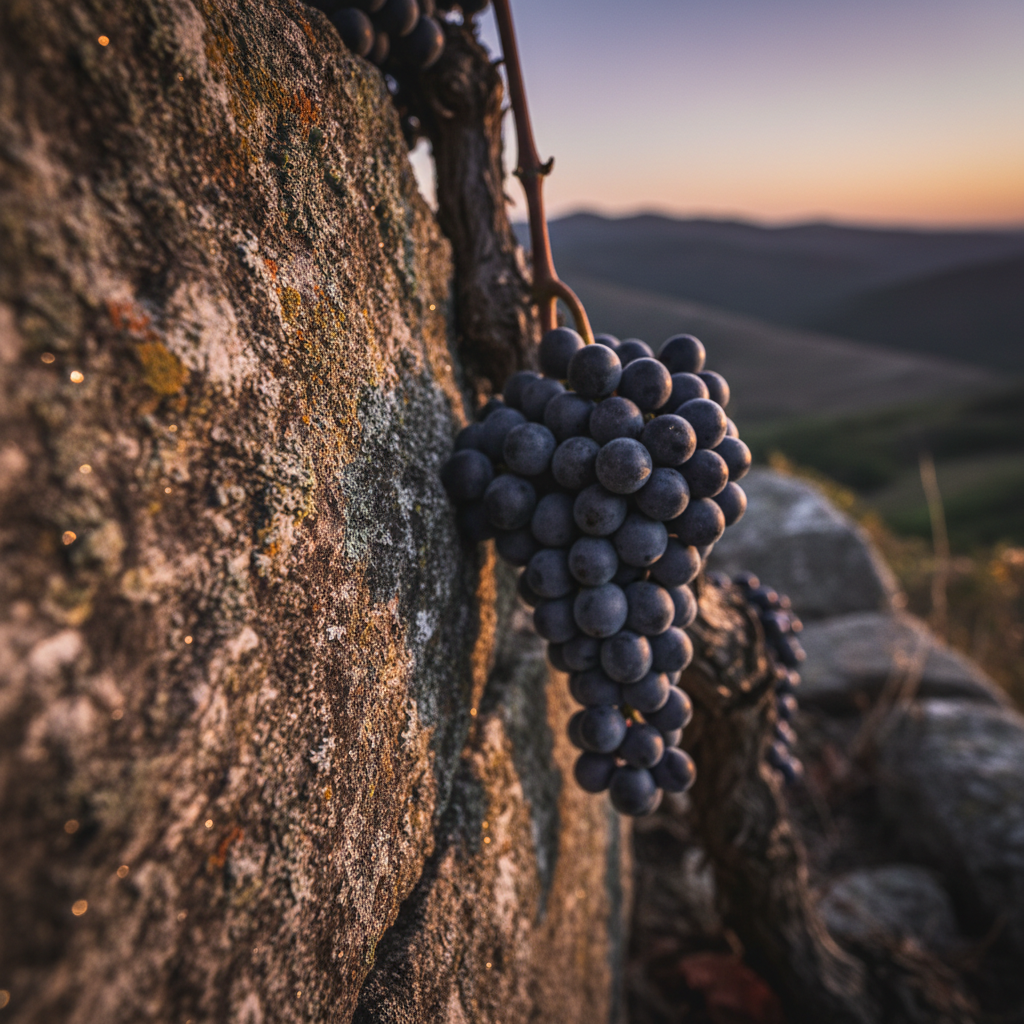
Explore the high-altitude granite landscapes of Mêda and Trancoso, where ancient manor houses and a unique wine terroir offer a sophisticated alternative to the traditional Douro Valley.
While many international travelers are familiar with the emerald curves of the Douro Valley riverbanks, only a few venture further south into the rugged, high-altitude landscapes where the river meets the sky. This is the Upper Douro, specifically the sub-regions of Mêda and Trancoso. Here, the soil changes from schist to granite, and the climate shifts from Mediterranean heat to a crisp, continental breeze. This is the land of the Granite Casals (manor houses) and some of the most sophisticated, yet overlooked, terroirs in Western Europe.
Exploring this region requires a different rhythm. It is a place of silence, medieval stone, and a winemaking tradition that favors acidity and elegance over power. For the discerning traveler, a journey through Mêda and Trancoso offers a rare glimpse into a Portugal that feels suspended in time, far removed from the bustling crowds of Porto or Lisbon.
## The High-Altitude Identity: Schist versus Granite
To understand the Upper Douro, one must understand the earth. Most of the Douro DOC (Denominação de Origem Controlada) is defined by its schistous soil, which retains heat and produces the concentrated, robust reds the world loves. However, as one climbs toward Mêda, the schist gives way to weathered granite.
At elevations reaching 600 to 700 meters, the temperature drops. This high-altitude terroir allows for a longer ripening season. The resulting wines, particularly the whites made from Rabigato and Codega do Larinho, possess a crystalline acidity and a saline minerality that is highly sought after by connoisseurs. These are wines of precision, reflecting the stark, beautiful landscape of the plateau.
## Mêda: The Gateway to the High Plateau
Mêda is a city built of stone, standing as a sentinel over the transition from the river valley to the mountains. The architecture here is dominated by the "Casal," the traditional manor house that served as the heart of agricultural and social life for centuries.
### The Architectural Heritage of the Granite Casals
Walking through the historical center of Mêda, one notices the noble crests carved into granite lintels. These manor houses often feature thick walls designed to keep the summer heat at bay and protect against the biting winter winds. Many of these properties have remained in the same families for generations, preserving a way of life that values heritage over novelty.
One of the most remarkable sites nearby is the village of Marialva. This historical village, one of the twelve official "Aldeias Históricas de Portugal," sits just a few minutes from Mêda. Its castle ruins and narrow alleys offer an atmospheric backdrop for understanding the strategic importance of this high ground throughout Portuguese history.
### A New Wave of Enology
Despite its ancient roots, Mêda is at the forefront of a contemporary wine movement. Several independent producers have recognized the potential of these granite soils to produce fresh, elegant wines that contrast with the traditional "Big Douro" style. Visitors to the region can explore local tasting rooms where the focus is on purity of fruit and the unique expression of the high-altitude vineyard.
## Trancoso: The Walled City of History and Myth
Continuing further into the plateau, one reaches Trancoso. Surrounded by its original medieval walls, Trancoso is a place where history feels tangible. It was here that King D. Dinis married Isabel of Aragon in 1282, and the town has maintained its regal, defensive character ever since.
### The Jewish Quarter and the Art of the Stone
Trancoso is home to one of the most significant Jewish Quarters in Portugal. During the 15th century, the town had a thriving Jewish community that left its mark on the local architecture. Careful observers will spot "marcas de cristãos-novos" (marks of New Christians) etched into the granite doorframes of old houses, symbols used to denote the faith of the inhabitants in secret.
The House of the Black Cat (Casa do Gato Preto) is a particularly famous example of this granite artistry. This 15th-century building, adorned with mysterious carvings, is an essential stop for anyone interested in the complex religious history of the Iberian Peninsula.
### The Culinary Treasures of the Plateau
The high altitude affects more than just the grapes. Trancoso is famous for its "Sardinhas de Trancoso," which, despite the name, are not fish at all. They are delicate, sardine-shaped pastries filled with a sweet mixture of almonds and eggs, a testament to the conventual confectionery tradition of the region.
The local gastronomy also features hardy ingredients like chestnuts, rye, and high-quality smoked meats. A meal in this region typically begins with the famous Queijo da Serra da Estrela, as Trancoso sits on the doorstep of Portugal’s highest mountain range.
## Navigating the Region: A Sophisticated Approach
The Upper Douro is not a destination for the casual visitor. The roads are winding, and the most interesting sites are often tucked away in small villages that are not easily accessible by large tour buses. To truly appreciate the nuance of this terroir, a private vehicle and a professional driver are essential.
### The Advantage of Private Travel
Choosing a private chauffeured service allows for a seamless transition between the deep river valleys and the high plateaus. While the drive from Pinhão to Mêda is breathtaking, it requires a driver who is intimately familiar with the local geography and the narrow passages of the historical villages. Traveling in a premium vehicle, such as a Mercedes-Benz V-Class, ensures that the physical journey is as comfortable and refined as the destinations themselves.
### Timing Your Visit
The Upper Douro is a land of extremes. Spring and early autumn are perhaps the most beautiful times to visit. In the spring, the almond trees are in bloom, covering the hillsides in a delicate white and pink veil. In the autumn, the harvest brings a vibrant energy to the quintas, and the air becomes crisp and invigorating.
## Practical Considerations for the Discerning Traveler
For those planning a journey through Mêda and Trancoso, consider the following logistical points:
* **Pacing:** This is a region to be "slow-tasted." Do not try to rush through both towns in a single afternoon. Each deserves a dedicated half-day at minimum to absorb the atmosphere. * **Apparel:** Even in the summer, the high altitude means that evenings can be cool. A light wrap or jacket is always recommended. * **Access:** While many historical sites are open to the public, some of the most interesting granite casals are private residences. Viewing them from the exterior is a lesson in architectural history, though some have been converted into boutique rural stays or tasting rooms that can be visited with prior notice.
## The Forgotten Terroir Rediscovered
The Granite Casals of the Upper Douro represent a side of Portugal that is often overlooked in favor of the more famous coastal cities or the lower reaches of the Douro River. Yet, for the connoisseur, the allure of Mêda and Trancoso lies in their authenticity and their refusal to compromise.
In these high-altitude landscapes, the wine is crisper, the history is deeper, and the silence is more profound. It is a region for those who have already seen the main highlights of Portugal and are now looking for its soul.
## Exploring the Upper Douro with Portugal Magik
For fourteen years, Portugal Magik has been dedicated to discerning international travelers seeking premium experiences. We understand that the journey is as important as the destination. Our fleet of Mercedes-Benz vehicles and our professional, English-speaking drivers provide the perfect platform for exploring the rugged beauty of the Upper Douro.
Whether you are a wine enthusiast looking to discover the secrets of granite-grown grapes or a history buff eager to walk the walls of Trancoso, our private tours are designed around your interests and pace. We provide the expertise and the comfort required to turn a day of exploration into a lasting memory.
Speak with our team and discover how to turn this experience into reality.