The Golden Age Revived: A Private Tour of Portugal’s Most Exquisite Gilded Interiors and Baroque Masterpieces
By Portugal Magik · Published 2026-03-27
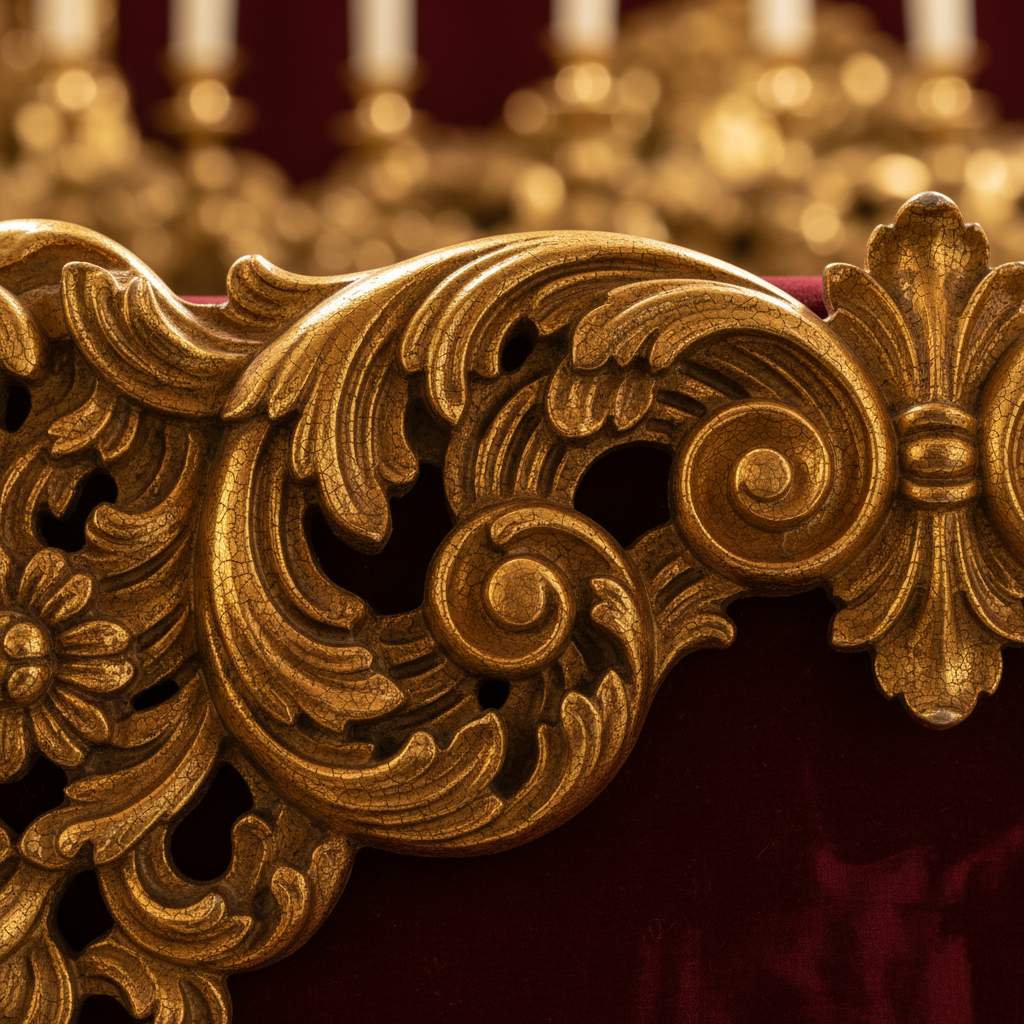
Explore the radiant legacy of Portugal's Golden Age through a curated journey of its most stunning gilded churches, libraries, and palaces.
To step into a Portuguese Baroque church is to witness a moment where time and light coalesce into pure radiance. During the 18th century, the discovery of gold in the distant hills of Brazil fueled an artistic revolution in Portugal, leading to an era of unparalleled architectural splendor. This was the "Golden Age," a period defined by *Talha Dourada*, the intricate art of carved wood overlaid with gold leaf, and bold, theatrical designs that aimed to transcend the earthly realm.
For the discerning traveler, discovering these masterpieces requires more than a guidebook; it demands a curated journey through the heart of Portuguese history. From the coastal elegance of Porto to the historic university halls of Coimbra and the royal grandeur of Lisbon, these gilded interiors stand as testaments to a legacy of craftsmanship and devotion.
## The Art of Talha Dourada: A Gilded Legacy
The hallmark of the Portuguese Baroque is undoubtedly the use of gilded woodwork. Known as *Talha Dourada*, this technique involved master carvers creating elaborate altarpieces, pulpits, and archways from oak or chestnut, which were then meticulously covered in thin layers of high-purity gold.
The result is a sensory experience unlike any other. When the soft glow of candlelight or the afternoon sun hits these surfaces, the entire interior appears to vibrate with divine energy. This was not merely decoration; it was a sophisticated display of power, faith, and the immense wealth of the Portuguese Empire.
## Porto: Reflections of Northern Opulence
The northern city of Porto serves as an ideal starting point for a pilgrimage through the Baroque. Here, the granite facades of the city hide some of the world’s most breathtaking interiors.
### Igreja de São Francisco While the exterior is a somber Gothic structure, the interior of the Church of Saint Francis is often described as one of the most remarkable gilded spaces in Europe. It is estimated that more than 300 kilograms of gold dust were used to cover the interior. Every column, pillar, and cherub is adorned in gold, creating a dense, jungle-like environment of decorative motifs. The "Tree of Jesse," a magnificent genealogical carving, is a standout masterpiece that demands close inspection.
### The Palácio da Bolsa Though completed slightly later, the Arabian Hall within the Stock Exchange Palace represents North African influences filtered through a distinctly European lens of grandeur. While not strictly Baroque, its intricate carvings and exquisite gold leafing carry the spirit of the Golden Age into the 19th century, showcasing the continued evolution of Portuguese craftsmanship.
## Coimbra: Wisdom Cloaked in Gold
As one moves south toward the center of the country, the artistic focus shifts from the ecclesiastical to the academic.
### Biblioteca Joanina Located within the University of Coimbra, one of the oldest in continuous operation in the world, the Joanina Library is a sanctuary of knowledge and aesthetics. Named after King João V, the "Magnanimous," the library is a triumph of the Baroque style. Its three grand rooms are lined with towering shelves of exotic wood, adorned with gilded chinoiserie patterns and guarded by thick oak doors. To walk through these halls is to experience the high-end refinement of the 18th-century intellectual elite.
## Lisbon and the Royal Extravagance
The capital city, reconstructed after the devastating earthquake of 1755, remains the epicenter of the nation’s most ambitious architectural projects.
### Igreja de São Roque The Chapel of St. John the Baptist within this church is an extraordinary marvel. Commissioned in Rome by King João V, it was blessed by the Pope before being dismantled and shipped to Lisbon. It is a masterclass in the use of semi-precious stones, lapis lazuli, agate, and amethyst, framed by exquisite gilded bronze. It remains one of the most expensive chapels ever constructed, signifying the height of Portuguese royal patronage.
### The National Coach Museum To understand the lifestyle of the Portuguese nobility during this era, one must visit the National Coach Museum. Here, the fleet of the royal family is on display, grand carriages featuring elaborate gilded carvings, allegorical sculptures, and velvet linings. These were the "Mercedes-Benz" of their era, designed to impress foreign dignitaries and reflect the absolute prestige of the crown.
## The Alentejo and the Golden Interior
Deep in the Alentejo region, the city of Évora offers a quieter, more contemplative version of the Baroque. The Church of St. Francis (Igreja de São Francisco) and its neighboring Chapel of Bones are famous, but the gilded altars found in the city’s smaller convents often provide the most intimate encounters with *Talha Dourada*.
## Elevating the Experience: The Art of Private Travel
Navigating the winding streets of Porto’s Ribeira or the historic hills of Lisbon requires a seamless logistical approach. For discerning international travelers seeking premium experiences, the journey between these monuments should be as refined as the destinations themselves.
### Professional Chauffeur Services A private tour ensures that you avoid the constraints of rigid schedules. Traveling in an exclusive Mercedes-Benz fleet, whether the elegant E-Class for couples, the versatile V-Class for families, or the spacious Sprinter for larger groups, allows for a tranquil transition between sites. Professional English-speaking drivers provide not just transport, but context, ensuring that every nuance of Portuguese history is accessible.
### Curated Access The true value of a private experience lies in the details, knowing the precise time to arrive at the Biblioteca Joanina to see the light play across the gold, or securing a quiet moment in São Roque away from the crowds. A dedicated travel partner with over a decade of local expertise can unlock doors that remain closed to the casual visitor.
## Planning Your Bespoke Baroque Journey
When preparing for a tour of Portugal’s gilded masterpieces, consider the following:
* **Seasonality:** While Portugal is a year-round destination, the soft light of spring and autumn is particularly beautiful for photographing architectural details. * **Pacing:** Do not rush the Baroque. These interiors are incredibly dense with detail; allow yourself the time to sit and absorb the atmosphere of each space. * **Expert Guidance:** Engaging a driver-guide who understands the historical context of the "Age of Discovery" and the subsequent "Golden Age" will profoundly enrich your understanding of why these works were created.
## Conclusion
The Golden Age of Portugal was a period of unbridled creativity and immense ambition. Today, that legacy lives on in the shimmering altars and grand libraries that define the nation’s cultural identity. To witness these Baroque masterpieces is to connect with a history of global exploration and artistic devotion.
Whether you are drawn to the dramatic carvings of Porto or the regal sophistication of Lisbon, the most rewarding way to explore this heritage is through a journey tailored to your personal interests. With fourteen years of experience in crafting exclusive itineraries, Portugal Magik is dedicated to ensuring your exploration of the Golden Age is as flawless as it is unforgettable.
Request your personalized proposal today and let us curate a journey through the radiant heart of Portugal.