The Gilded Wake: A Private Connoisseur’s Guide to the Maritime Nobility and Noble Manors of Viana do Castelo
By Portugal Magik · Published 2026-08-30
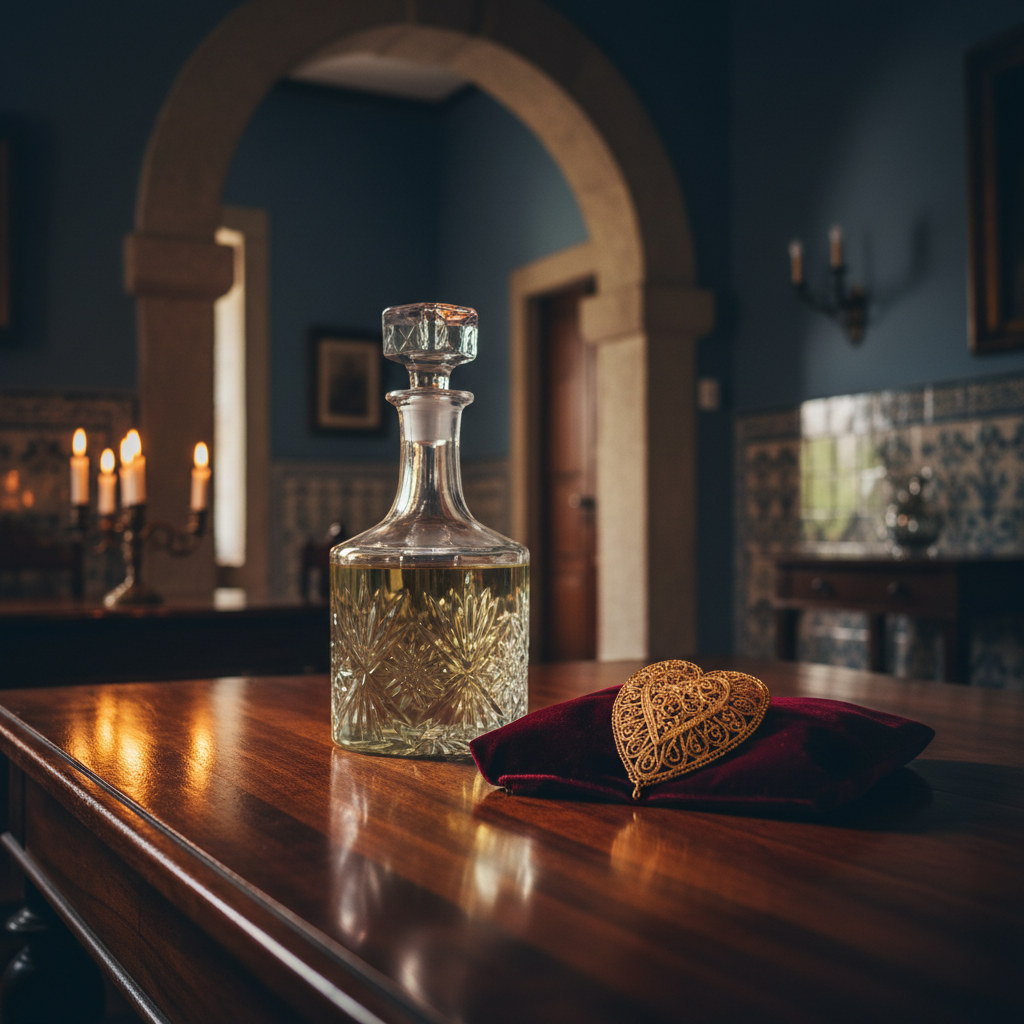
Explore the maritime heritage and noble estates of Viana do Castelo. A guide to the architecture, history, and refined traditions of Portugal's northern coast.
Viana do Castelo, often regarded as the princess of the Lima River, stands as a testament to Portugal’s golden age of discovery and the enduring grace of its landed gentry. This elegant coastal city, nestled where the river meets the Atlantic, offers a narrative that is both ruggedly maritime and exquisitely refined. For the discerning traveler, it represents a departure from the high-traffic corridors of the south, offering instead a profound connection to the historical nobility that once financed the great voyages of the 15th and 16th centuries.
Exploring this northern jewel requires an appreciation for the subtle details: the manual artistry of filigree gold, the intricate stonework of Manueline windows, and the imposing presence of granite solar buildings. It is a destination where the legacy of the sea is etched into every facade, inviting visitors to step back into a time when Viana was a primary port for the cod trade and the gateway to the world beyond the horizon.
## The Architectural Legacy of the Maritime Elite
The wealth generated by the northern merchant class and the nobility during the Age of Discovery transformed Viana do Castelo into a showcase of architectural prowess. Walking through the historical center is akin to navigating a curated open-air gallery of Renaissance, Manueline, and Baroque styles.
### The Praça da República The heart of the city is the Praça da República, a square that has remained largely unchanged for centuries. The Chafariz, a majestic granite fountain completed in the mid-16th century, served as the focal point for the city’s water supply and stands today as a masterpiece of Renaissance craftsmanship. Flanking the square are the Antigos Paços do Concelho (the Old Town Hall) and the Misericórdia building. The latter, featuring a three-tiered loggia with Cariátides, reflects a distinct Italian influence rarely seen in such purity in northern Portugal.
### Manueline Grandeur The wealth of the maritime trade is most evident in the domestic architecture. The Casa dos Arcos and other noble manors scattered through the narrow streets feature the quintessential twisted rope motifs and nautical symbols of the Manueline style. These homes belonged to the captains and ship owners who navigated the treacherous waters of the North Atlantic, bringing back the riches that built the city.
## The Noble Manors of the Lima Valley
Beyond the city walls, the landscape of the Lima Valley is punctuated by some of Portugal’s most significant manor houses. These estates, or "Solares," have often remained in the same families for hundreds of years, acting as guardians of Portuguese tradition and rural elegance.
### Solar de Bertiandos Located just a short drive from the city center, the Solar de Bertiandos is one of the most striking examples of northern manor architecture. With its unique structure consisting of two distinct wings joined by a central tower, it tells the story of two branches of the same family uniting their fortunes. The surrounding protected landscape, featuring wetlands and ancient forests, provides a serene backdrop that highlights the estate’s imposing granite silhouette.
### The Traditions of the Minho Gentry Life in these manors has historically been defined by a deep connection to the land and a refined sense of hospitality. Many of these estates continue to produce Vinho Verde, the crisp, effervescent wine of the region. The culture here is one of understated excellence, where the quality of the linen, the depth of the family archives, and the preservation of original furniture are points of immense pride.
## The Sacred and the Panoramic: Santa Luzia
No exploration of Viana do Castelo is complete without ascending to the Sanctuary of Santa Luzia. While the sanctuary itself is a 20th-century construction, its Neo-Byzantine design and the sheer scale of its rose windows are remarkable. However, the true draw for the connoisseur is the vista from the mountaintop.
From this vantage point, one can see the Lima River snaking through the verdant valley, the historic grid of the city, and the endless expanse of the Atlantic. It is perhaps one of the most breathtaking panoramas in Europe, offering a clear visual understanding of why this location was chosen as a strategic maritime stronghold. The view encapsulates the dual nature of Viana: a city that looks inward toward its fertile lands and outward toward the possibilities of the ocean.
## The Art of Gold and Thread
The nobility of Viana is not only found in its buildings but also in its craftsmanship. The city is the center of Portuguese filigree, a delicate metalwork technique where fine threads of gold or silver are soldered together to create intricate patterns.
The "Heart of Viana" (Coração de Viana) is the most iconic symbol of this art. Traditionally worn by the women of the Minho during festivals, these pieces were a demonstration of family wealth and status. The local costume, known as the "Traje à Vianesa," is equally significant. Hand-embroidered in vibrant reds, blues, and blacks, these garments are considered some of the most beautiful traditional dresses in the world, often featuring motifs that represent the flora and fauna of the region. Visitors can admire these works of art at the local Costume Museum, which offers a deep dive into the sociological fabric of the region.
## Regional Gastronomy: A Tale of Sea and Soil
The culinary landscape of Viana do Castelo reflects its maritime history and its proximity to the fertile Minho interior. The sea provides a constant supply of fresh sea bass, sea bream, and the ubiquitous cod (Bacalhau), which remains a staple of the local diet.
In the elegant dining rooms of the city and the surrounding estates, one might encounter dishes like "Arroz de Sarrabulho" or "Rojões," which represent the rustic origins of the northern nobility. For dessert, the "Tortas de Viana" (delicate sponge rolls filled with egg jam) and "Sidónios" are essential experiences for any palate. These recipes, often passed down through generations or originated in the kitchens of ancient convents, are a testament to the region’s commitment to quality ingredients and time-honored techniques.
## Practical Information for the Discerning Traveler
Visiting Viana do Castelo requires a pace that allows for discovery. While the city center is walkable, the true essence of the region lies in the surrounding valleys and manor houses, which are best accessed via private transportation.
### Timing and Climate The best time to visit is between late spring and early autumn. May and June offer lush, green landscapes, while September brings the excitement of the grape harvest. The weather in the north is more temperate and humid than in the south, contributing to the region’s emerald scenery.
### The Romaria de Nossa Senhora d'Agonia For those interested in the pinnacle of local culture, the festivals in August are unmissable. During this time, the streets are covered in salt carpets, and the parade of the "Mordomas" (young women wearing the family gold) provides a stunning display of the region’s living heritage.
## The Refined Way to Explore Northern Portugal
A journey through Viana do Castelo and the Lima Valley is an invitation to experience Portugal at its most authentic and sophisticated. It is a region that rewards those who look beyond the surface, seeking the stories hidden within granite walls and the history carried by the river currents.
To truly appreciate the nuances of the Minho, the comfort of a private journey is indispensable. Navigating the winding roads of the valley and the historic passages of the city requires a level of local expertise and logistical ease that only a dedicated service can provide. Portugal Magik, with over 14 years of experience in curating exceptional journeys, offers the ideal framework for such an exploration.
Utilizing a premium fleet of Mercedes-Benz vehicles, including elegant E-Class sedans and spacious V-Class or Sprinter models, we provide a seamless connection between the city’s maritime monuments and the secluded manor houses of the countryside. Our professional English-speaking drivers are dedicated to discerning international travelers, ensuring that every transition is as smooth as it is discreet.
Whether you wish to spend an afternoon admiring the filigree workshops of the city or a morning tracing the architectural lines of the Lima Valley manors, the flexibility of a private itinerary allows you to engage with the region on your own terms.
Speak with our team and discover how to turn this experience into reality. Request your personalized proposal today.