The Gentle Grace of the Eastern Algarve: A Private Connoisseur’s Guide to the Noble Estates and Artisanal Soul of the Sotavento Shoreline
By Portugal Magik · Published 2026-07-04
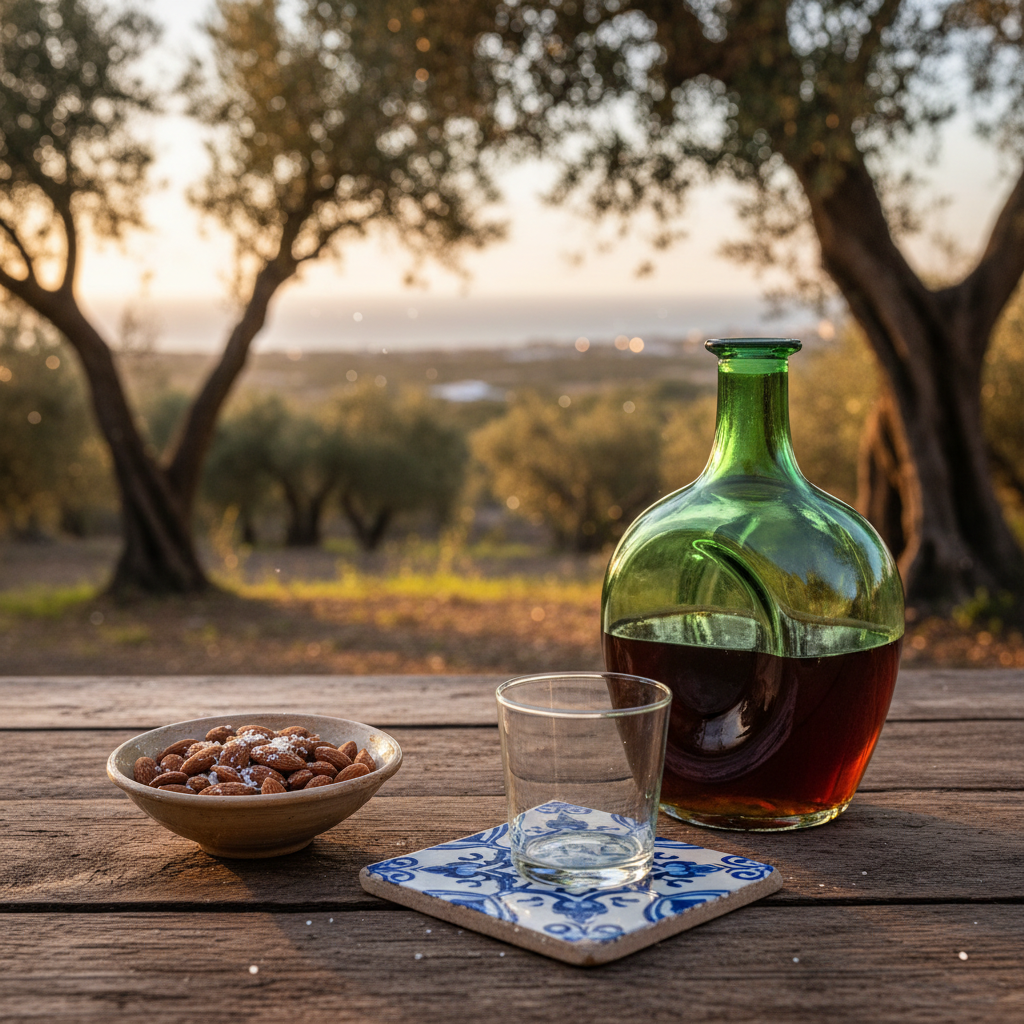
Discover the refined side of the Algarve. Explore the noble estates, artisanal traditions, and pristine natural beauty of the Sotavento with this expert guide.
Often overshadowed by the dramatic limestone cliffs and bustling international hubs of the central and western reaches, the Eastern Algarve, known locally as the Sotavento, or the leeward side, remains a sanctuary for those who seek the true essence of Portugal. Here, the pace of life slows to the rhythm of the tides, and the landscape transitions into a tapestry of salt pans, whitewashed manor houses, and pristine barrier islands.
This is a region of quiet sophistication, where heritage is measured in generations rather than seasons. For the discerning traveler, the Sotavento offers an opportunity to explore a side of the Algarve that has retained its noble character and artisanal integrity, far removed from the more commercialized corridors of the coast.
## The Architectural Elegance of Tavira
Tavira is frequently cited as the most beautiful town in the Algarve, and for good reason. It serves as the cultural heart of the east, a place where history is etched into every terracotta roofline and cobblestone alley. Unlike the high-rise developments found elsewhere, Tavira has preserved its architectural heritage with meticulous care.
The town is characterized by its unique *telhados de tesoura*, or scissor roofs, which are steeply pitched and multi-faceted, reflecting a style once favored by the local merchant class. A leisurely stroll through the historic center reveals over thirty churches, some dating back to the thirteenth century, showcasing a blend of Gothic, Renaissance, and Manueline styles.
Crossing the Roman Bridge at sunset provides a moment of profound serenity as the Gilão River reflects the soft pastel hues of the surrounding buildings. For those traveling with a private driver, the journey through Tavira is effortless, allowing for spontaneous stops at hidden courtyards or elevated viewpoints that overlook the salt flats stretching toward the Atlantic.
## The Natural Grandeur of the Ria Formosa
The Ria Formosa Natural Park is a coastal lagoon system of international importance, and it is here that the soul of the Eastern Algarve truly resides. This intricate labyrinth of canals, islands, and marshes acts as a protective barrier between the mainland and the ocean, creating a unique microclimate and a haven for biodiversity.
The area is famous for its traditional salt production. The *flor de sal* harvested here is among the finest in the world, collected by hand using methods that have remained unchanged for centuries. Travelers can observe the shimmering white pyramids of salt under the Alentejo sun, a testament to the region’s enduring relationship with the sea.
While the park is a sanctuary for flamingos and rare bird species, it also supports a way of life for local clam and oyster farmers. The villages bordering the Ria Formosa, such as Santa Luzia, are renowned for their dedication to regional gastronomy. Known as the capital of octopus, Santa Luzia offers a range of authentic culinary experiences that focus on the purity of the ingredients and the precision of traditional techniques.
## The Noble Estates and Rural Sophistication
Heading inland from the coast, the landscape shifts into rolling hills draped in olive groves, almond trees, and fragrant citrus orchards. This is the territory of the *quintas*, the grand country estates that have historically been the centers of agricultural wealth in the region.
Many of these estates have been preserved as private residences or transformed into boutique retreats that emphasize quietude and refined living. These locations offer a glimpse into the noble past of the Algarve, where landowners built impressive manor houses designed to capture the cooling breezes of the hills.
Exploring the rural hinterland requires a knowledgeable guide and a reliable vehicle. The winding roads lead to charming hamlets like Estoi, home to the Palácio de Estoi. This nineteenth-century palace, with its Rococo architecture and gardens reminiscent of Versailles, stands as a monument to the opulence that once defined the regional aristocracy. The intricate azulejos (hand-painted tiles) and the classical statues found throughout the grounds are a masterclass in Portuguese decorative arts.
## Artisanal Traditions and the Soul of the Soil
The Eastern Algarve is a bastion of artisanal craftsmanship. In small workshops and family owned studios, the traditions of weaving, pottery, and basketry continue to flourish. This is not production for the sake of tourism, but rather a commitment to preserving the cultural identity of the Sotavento.
In towns like Castro Marim, which sits near the Spanish border, the medieval castle overlooks a landscape where traditional crafts are still a part of daily life. The local artisans are masters of their trade, producing exquisite works that reflect the colors and textures of the Algarve landscape.
For the connoisseur of fine materials, the region’s cork production is of particular interest. Portugal is the world leader in cork, and the forests of the eastern interior provide the raw material for everything from wine stoppers to high-end fashion accessories. Understanding the patience required to harvest cork (a process that happens only once every nine years) provides a deeper appreciation for the sustainable ethos that governs this part of the country.
## Practical Information for the Discerning Traveler
### Optimal Timing The Eastern Algarve is a year-round destination, but the spring (April to June) and early autumn (September to October) offer the most pleasant temperatures and the softest light for photography. The winter months are mild and exceptionally quiet, perfect for those seeking absolute privacy.
### Access and Transit The region is easily accessible from Faro Airport, but to truly experience its hidden corners, a private vehicle is essential. The distances between the coastal villages and the inland estates are best covered in the comfort of a climate-controlled premium sedan or van, allowing guests to focus on the scenery rather than navigation.
### Attire While the atmosphere is relaxed, the standard of dress in high-end establishments and private estates remains sophisticated. Light linens and breathable fabrics are recommended for the daytime, while a light wrap or jacket is often necessary for the cooler coastal evenings.
## A Legacy of Excellence with Portugal Magik
Navigating the nuances of the Eastern Algarve is best achieved with the support of seasoned professionals. With fourteen years of dedicated service to discerning international travelers seeking premium experiences, Portugal Magik offers a level of expertise that ensures every journey is seamless and culturally enriching.
The experience of the Sotavento is transformed when traveled in the company of a professional English-speaking driver who understands the history, the geography, and the quiet rhythms of the region. Whether you are traveling in an elegant Mercedes-Benz E-Class or a spacious V-Class, the journey becomes as significant as the destination itself.
Away from the crowds, the Eastern Algarve invites you to rediscover the art of slow travel. It is a region that does not demand attention but earns it through its gentle grace, its noble heritage, and its unwavering commitment to the artisanal soul of Portugal.
To begin planning your journey through the sophisticated landscapes of the Eastern Algarve, speak with our team and discover how to turn this experience into reality. Request your personalized proposal today and step into the timeless elegance of the Sotavento.