The Fortress of the Order: A Private Connoisseur’s Guide to the Templar Bastions and Hidden River Castles of the Middle Tagus Valley
By Portugal Magik · Published 2026-08-17
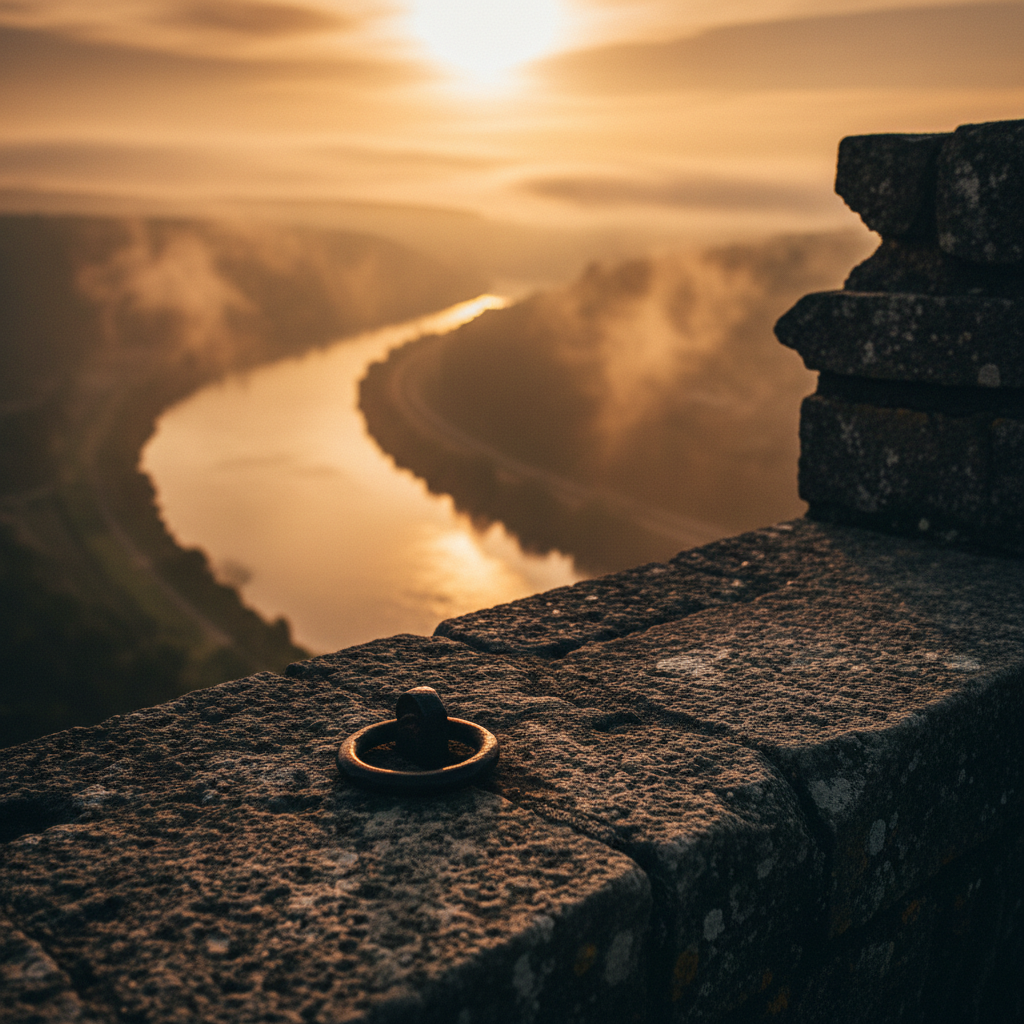
Discover the medieval secrets of the Middle Tagus Valley, from the Templar headquarters in Tomar to the iconic island castle of Almourol. A guide for the discerning traveler.
The Tagus River, the longest waterway in the Iberian Peninsula, has served as a strategic frontier for millennia. Yet, it was during the 12th century, the era of the Reconquista and the rise of the military orders, that its banks were transformed into a formidable line of defense. For the discerning traveler, the Middle Tagus Valley offers a sophisticated journey through time, where the legacy of the Knights Templar remains etched into the very stones of high-walled fortresses and island citadels.
Exploring this region requires more than a casual glance. It demands an appreciation for medieval architecture, sacred geometry, and the complex history of the Order of the Temple. This region is home to some of the most evocative fortifications in Southern Europe, standing as silent witnesses to an age of chivalry, faith, and strategic genius.
## The Spiritual Heart: The Convent of Christ in Tomar
No exploration of the Middle Tagus is complete without beginning at the Convent of Christ in Tomar. This UNESCO World Heritage site served as the headquarters of the Order of the Knights Templar and later the Order of Christ. It is a monument of peerless architectural significance, blending Romanesque, Gothic, Manueline, and Renaissance styles.
### The Charola: A Sanctuary of Sacred Geometry The heart of the complex is the Charola, the 12th-century round church built to mimic the Holy Sepulchre in Jerusalem. Its octagonal structure was designed to allow knights on horseback to attend mass, a testament to the unique fusion of the monastic and military life. The interior, adorned with gold and intricate paintings, offers a contemplative atmosphere that transports visitors back to the peak of the Order's power.
### The Manueline Window On the exterior of the Chapter House, one finds the famous Manueline Window. This masterpiece of stone carving reflects the Age of Discovery, featuring maritime motifs, coral, and ropes, all celebrating the expansion of the Portuguese empire under the auspices of the Order of Christ. It is a high-end cultural landmark that requires time to truly observe and appreciate.
## The Island Sentinel: Almourol Castle
Further downstream, emerging from the waters of the Tagus like a scene from a dream, stands the Castle of Almourol. Often cited as one of the most beautiful fortifications in the country, its location on a small granite island in the middle of the river makes it both aesthetically striking and strategically brilliant.
The castle was rebuilt by Gualdim Pais, the Grand Master of the Templars, in 1171. Its verticality, with high walls and a prominent keep, embodies the Templar architectural philosophy. Visiting Almourol involves a short boat crossing to the island, where the sound of the water against the rocks provides a serene backdrop to the rugged stone walls. It is a place of profound silence and historical weight, ideal for those seeking a more intimate connection with Portugal’s medieval past.
## The Guardian of the Shore: The Castle of Belver
While Tomar and Almourol often take center stage, the Castle of Belver offers a different perspective on the defensive line of the Tagus. Located high on a hill overlooking the river, this fortress was granted to the Order of the Hospitallers (Knights of Saint John) in the late 12th century.
Belver is remarkable for its state of preservation and its commanding views. The walk along the ramparts provides a panoramic vista of the river winding through the olive groves and cork forests of the Alentejo and Ribatejo regions. The nearby village, with its narrow streets and traditional white-washed houses, complements the visit, offering a glimpse into the slower pace of rural Portuguese life.
## Hidden Gems: Abrantes and the River Bastions
The Middle Tagus Valley is dotted with smaller, equally fascinating sites that reveal the logistical brilliance of the medieval defenders.
### The Fortress of Abrantes The Castle of Abrantes, perched on a strategic plateau, served as a vital lookout point. While much of the interior has been modified over the centuries, the keep and the surrounding gardens offer a peaceful retreat. The town itself, known as the "flower of the Tagus," is a delight to explore, with its heritage buildings and refined local atmosphere.
### The Watchtowers of the Tagus Along the riverbanks, one can spot the ruins of smaller watchtowers and outposts. These were part of a sophisticated signaling system that allowed the Templars to communicate rapidly between Tomar and the frontier. Observing these structures while traveling through the valley provides a deeper understanding of the region as a cohesive, fortified landscape rather than a collection of isolated monuments.
## Refined Travel in the Middle Tagus
To truly appreciate the nuances of the Middle Tagus Valley, one must venture beyond the standard tourist routes. The region is best experienced at a measured pace, allowing for moments of reflection at each site.
### The Landscape and Climate The valley is characterized by its rolling hills and the constant presence of the river. In the spring, the landscape is vibrant with wildflowers, while the autumn brings a golden hue to the vineyards and olive trees. The climate is Mediterranean, with warm summers and mild winters, making it a year-round destination for cultural exploration.
### Gastronomy of the Ribatejo The region is also known for its sophisticated culinary traditions. Discerning travelers will find that the local cuisine focuses on high-quality river fish, wild game, and the celebrated wines of the Tejo region. The towns of Tomar and Abrantes boast several refined dining establishments where one can sample these delicacies in elegant surroundings.
## Practical Considerations for the Discerning Traveler
Visiting these fortifications requires a degree of planning to ensure a seamless and comfortable experience.
* **Timing:** To avoid the midday sun and potential crowds, early morning visits to Tomar and Almourol are recommended. The light during the "golden hour" in the late afternoon is particularly stunning for those wishing to capture the essence of the castles. * **Accessibility:** Many of these sites involve climbing stone stairs and walking on uneven surfaces. It is advisable to wear appropriate footwear that balances comfort with a polished appearance. * **Navigation:** The roads winding through the Tagus Valley are scenic but can be complex. Having a professional at the wheel allows travelers to focus entirely on the landscape and the history unfolding before them.
## A Legacy Written in Stone
The Templar bastions and river castles of the Middle Tagus are more than just historical curiosities; they are the foundations upon which the Portuguese nation was built. The Order of the Temple played a pivotal role in securing the borders and funding the early maritime explorations that would eventually change the world.
Walking through the cloisters of Tomar or standing on the battlements of Almourol, one feels the presence of the past. It is a region that rewards curiosity and rewards those who seek a deeper, more meaningful travel experience.
## Explore the Middle Tagus with Portugal Magik
Navigating the historical depths of the Templar heartland is an experience best enjoyed with the convenience and comfort of a dedicated private service. Portugal Magik, with over 14 years of expertise in delivering premium travel experiences, offers a sophisticated way to discover these medieval wonders.
Our guests travel in a modern fleet of Mercedes-Benz vehicles, including E-Class and V-Class models, ensuring a smooth and elegant journey between the fortresses of the Tagus. With a professional, English-speaking driver handling all the logistical details, you are free to immerse yourself in the legends of the Knights Templar and the beauty of the Portuguese countryside.
Whether you are a history aficionado or a connoisseur of fine landscapes, the Middle Tagus Valley awaits. Speak with our team and discover how to turn this experience into reality.