Fish, Salt and Sun: The Women Behind Nazaré’s Open-Air Fish Drying Tradition
By Portugal Magik · Published 2026-09-24
Discover the ancient art of sun-curing fish in Nazaré, where the iconic women in seven skirts preserve a maritime heritage that spans centuries.
The Silver Coast of Portugal is home to a spectacle that is both visually arresting and deeply rooted in ancestral survival. In the coastal town of Nazaré, known globally for its record-breaking waves and high-octane surfing, a much quieter and older rhythm persists on the sands. Along the Avenida da República, where the Atlantic breeze carries the sharp scent of the ocean, one finds rows of wooden racks draped with split fish. This is the *Estendal de Peixe*, a living museum where the women of Nazaré continue a sun-curing tradition that has sustained this community for centuries.
## The Guardians of the Estendal
To understand the fish drying tradition is to understand the strength of the Nazarene woman. Historically, while the men were at sea facing the treacherous Atlantic, the women remained on shore to manage the catch, the commerce, and the household. Clad in their iconic seven skirts (representing the seven days of the week or the seven colors of the rainbow), these women are the matriarchs of the coast.
The process of drying fish, or *peixe seco*, was born out of necessity. In eras before refrigeration, salt and sun were the only means to preserve the abundance of the sea for leaner times. Today, even with modern technology at their fingertips, these women maintain the practice, driven by a commitment to heritage and a specific culinary profile that can only be achieved through this artisan method.
## The Alchemy of Sun and Salt
The methodology behind the *Estendal* is deceptively simple but requires years of intuition. The process begins at the local harbor, where fresh horse mackerel (*carapau*), sardines, octopus, and dogfish (*cacao*) are selected.
### The Preparation The fish is meticulously cleaned and split open, a process known as *escalar*. This increases the surface area exposed to the elements, ensuring an even cure. The fish is then washed in seawater and seasoned with coarse Atlantic sea salt. The concentration of salt and the duration of the soak are secrets passed down through generations, adjusted daily based on the humidity and the strength of the sun.
### The Drying Process Once prepared, the fish are laid out on large rectangular wooden frames covered with wire mesh. These racks are tilted toward the sun, capturing the heat while allowing the ocean wind to circulate freely. Depending on the species and the weather, the fish may stay on the racks for anywhere from one day to a full week.
Walking past these racks, visitors will notice two distinct types of products. There is the *enjoado*, which is lightly cured for just a few hours, retaining a soft, moist interior. Then there is the fully dried fish, which becomes firm, concentrated in flavor, and shelf-stable for months.
## A Sensory Experience on the Sands
The *Estendal de Peixe* is not tucked away in a factory; it occupies a prime piece of the beach, asserting its importance in the face of modern tourism. For the discerning traveler, a visit to this open-air gallery is a study in textures and colors. The silver scales of the mackerel glisten under the Portuguese sun, contrasting against the dark, leathery ribbons of drying octopus.
The women who tend to these racks, often referred to as *peixeiras*, are as much a part of the landscape as the fish itself. They move with practiced efficiency, flipping the fish at precise intervals and engaging in spirited conversation with passersby. Their presence is a reminder that Nazaré is not just a destination for sport or leisure, but a working town with a soul forged in salt.
## Beyond the Shore: The Culinary Legacy
While the sight of the drying racks is captivating, the true appreciation of this craft comes through the palate. Dried fish is a staple of the local diet, often reconstituted in traditional stews or simply grilled and drizzled with premium Portuguese olive oil and garlic.
One of the most authentic ways to experience this tradition is by visiting the local markets or the small, family-run eateries tucked into the narrow limestone-paved streets of the town. Here, the *carapau enjoado* is a delicacy, celebrated for its unique balance of salty intensity and tender texture. It is a flavor that speaks of the Atlantic, raw and unfiltered.
## Navigating Nazaré with Sophistication
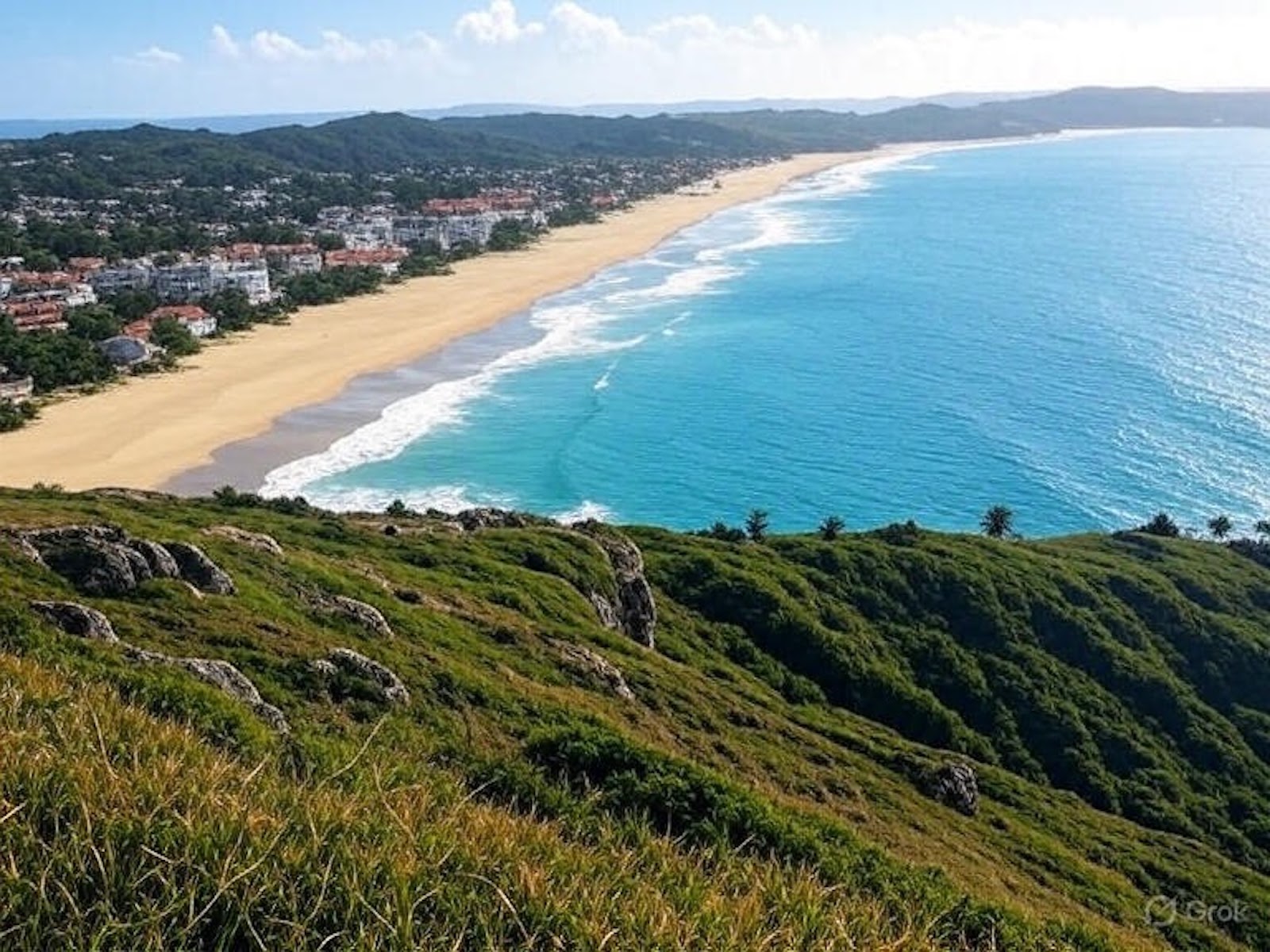
Nazaré is a town of two halves. The *Praia*, or the beach level, is where the fish drying occurs and where the pulse of daily life is most palpable. Above, perched on a dramatic cliff, is the *Sítio*. Accessible by a funicular or a winding road, the *Sítio* offers the most iconic panoramic views of the Portuguese coastline.
From this vantage point, one can see the legendary North Beach (*Praia do Norte*), where the underwater Nazaré Canyon creates the world's largest waves. The juxtaposition is striking: on one side of the headland, the raw, terrifying power of nature that attracts elite surfers; on the other, the calm, methodical tradition of the fish drying racks.
### Timing Your Visit To see the *Estendal* at its most active, the morning hours are ideal. This is when the women are busiest preparing the new catch and arranging the racks. The light during this time is also perfect for capturing the glistening details of the fish against the backdrop of the blue Atlantic.
## The Importance of Cultural Preservation
In a rapidly globalizing world, the fish drying tradition of Nazaré faces challenges. It is a labor-intensive craft that requires physical stamina and a tolerance for the elements. However, the recognition of this practice as a vital piece of Portugal’s intangible heritage has bolstered efforts to preserve it. By visiting the racks and engaging with the sellers, travelers contribute to the economic viability of this ancient trade, ensuring that the seven skirts of Nazaré continue to flutter in the sea breeze for generations to come.
## Planning Your Journey to the Silver Coast
Nazaré is a quintessential stop for those exploring the Silver Coast, located approximately ninety minutes north of Lisbon. While the town is famous for its maritime traditions, the surrounding region is rich with history, including the magnificent monasteries of Alcobaça and Batalha, and the medieval walled village of Óbidos.
Traveling to this region is best done with the flexibility and comfort that only private transport can provide. The winding coastal roads and hidden viewpoints are best navigated by a professional who understands the local geography and the cultural nuances of the area.
## Discover the Heart of Portugal
Experience the authentic spirit of the Portuguese coast without the stress of logistics or navigation. Portugal Magik specializes in providing high-end private tours dedicated to discerning international travelers seeking premium experiences. With over 14 years of experience and a fleet of exclusive Mercedes-Benz vehicles, including E-Class and V-Class models, we ensure your journey through the Silver Coast is as seamless as it is enriching.
Our professional English-speaking drivers provide door-to-door service and the flexibility to explore at your own pace, allowing you to linger at the fish drying racks or take in the sunset from the cliffs of the *Sítio* without a rigid schedule.
Request your personalized proposal today and let us help you uncover the timeless traditions and breathtaking landscapes of Portugal.