Faro to Tavira by Train: A Relaxed Day of Riverside Walks and Local Food
By Portugal Magik · Published 2026-10-23
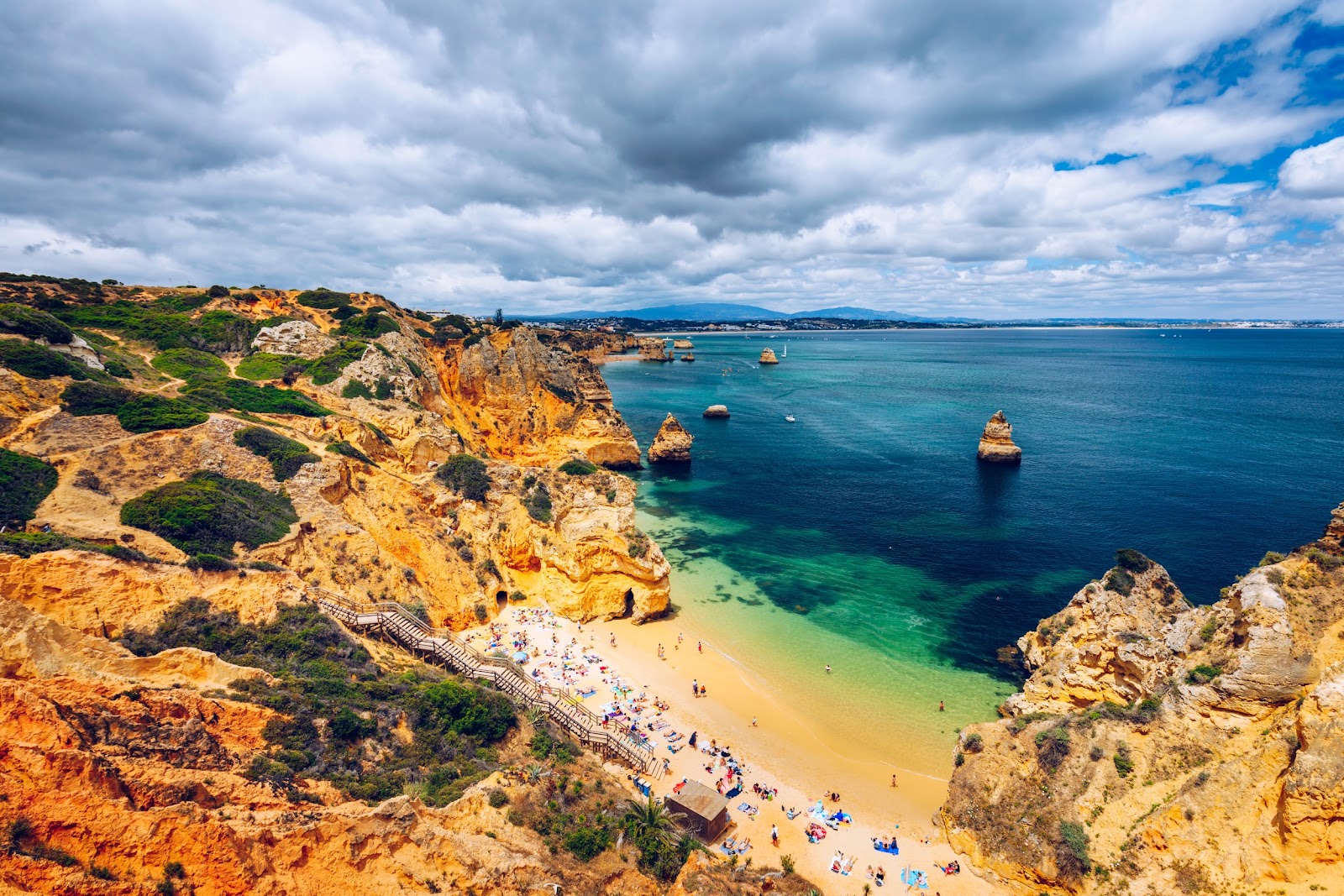
Discover the scenic train journey from Faro to Tavira, featuring riverside walks, historic architecture, and the best local seafood in the eastern Algarve.
Exploring the eastern side of the Algarve reveals a side of Portugal that feels miles away from the busy resort towns. While the central coast is famous for its dramatic cliffs and hidden caves, the journey from Faro to Tavira offers something more serene. This route follows the coastline along the Ria Formosa natural park, leading you to a town that many consider the most beautiful in the region.
Taking the train between these two points is one of the most relaxing ways to spend a day. It is a slow, scenic ride that allows you to watch the salt pans, marshes, and small white houses drift by. Once you arrive in Tavira, the pace of life slows down even further. This is a place for long walks along the Gilao River, crossing ancient bridges, and sitting down for a lunch of fresh seafood that was likely caught just a few miles away.
## The Train Journey from Faro to Tavira
The regional train line that runs across the Algarve is known as the Linha do Algarve. Starting your journey at the Faro train station, which is conveniently located near the city center and the marina, sets a casual tone for the day. The trains are simple, clean, and run regularly throughout the year.
As the train pulls out of Faro, the landscape quickly shifts to the wetlands of the Ria Formosa. This protected area is a haven for birdlife, including flamingos and storks, which can often be seen from the train window during the thirty to forty minute ride. The tracks run parallel to the coast, providing glimpses of the Atlantic Ocean in the distance.
The arrival at Tavira station is charming in itself. The station is located on a slight hill, about a ten minute walk from the historic center. As you walk down toward the river, you will notice the distinctive architecture that makes Tavira unique, particularly the four-sided roofs known as telhados de tesoura (scissor roofs), designed to keep houses cool during the hot southern summers.
## Discovering the Charm of Tavira
Tavira is often called the Venice of the Algarve, though it has a character entirely its own. The Gilao River flows through the heart of the town, dividing it into two halves connected by several bridges. The most famous is the Roman Bridge (Ponte Antiga sobre o Gilao), though its current appearance dates back to the 17th century.
### A Walk Along the Riverbanks
The best way to start your day is with a slow stroll along the river. The banks are lined with benches, palm trees, and cafes where locals sit to read the morning paper. The tide significantly changes the look of the town; at low tide, you can see traditional fishing boats resting on the sand, while at high tide, the water reflects the colorful facades of the noble houses lining the waterfront.
If you walk north along the river, you will find quieter residential areas where laundry hangs from balconies and small vegetable gardens peek over stone walls. It is a peaceful contrast to the more tourist-focused areas of the western Algarve.
### Exploring the Old Quarter and the Castle
Turning away from the river, the narrow cobblestone streets lead you uphill toward the Castle of Tavira. While only the walls and a few towers remain of this medieval structure, the interior has been turned into a beautiful garden. Climbing the walls offers a panoramic view of the town, the river, and the salt pans stretching toward the sea.
Right next to the castle is the Santa Maria do Castelo church, built on the site of a former mosque. The town has a rich history of Moorish influence, which is still visible in the intricate door knockers and the layout of the old neighborhoods.
## Where to Enjoy Local Flavors
Tavira is a destination for food lovers who appreciate simplicity and freshness. The region is particularly famous for its tuna, octopus, and razor clams. Unlike the fast-paced dining found in bigger cities, lunch here is meant to be a long, leisurely affair.
### The Riverside Cafes
For a light snack or a coffee, the cafes near the Roman Bridge are perfect for people-watching. Many of these spots serve traditional Portuguese pastries. Look for sweets made with local almonds, figs, and carob, which are the three staple ingredients of Algarve desserts.
### Traditional Seafood Dining
If you are looking for a proper lunch, head toward the Rua do Cais or the area near the old market building (Mercado da Ribeira). You will find restaurants serving Cataplana, a rich seafood stew cooked in a copper pot, or Arroz de Lingueirao (razor clam rice). The flavors are deep and salty, perfectly capturing the essence of the nearby coast.
For those who prefer fish, simply ask for the catch of the day. Sardines, sea bass, and sea bream are usually grilled over charcoal with nothing more than a sprinkle of sea salt and a drizzle of local olive oil.
## Practical Information for Your Visit
Planning a day trip by train requires very little preparation, but a few details will help your day run smoothly.
* **Tickets:** You can purchase tickets directly at the Faro station from the ticket office or a machine. There is no need to book weeks in advance for this regional service. * **Schedule:** Trains run approximately every hour or two. It is always wise to check the return times as soon as you arrive in Tavira so you can plan your dinner or departure accordingly. * **Walking:** Tavira is a very walkable town, but the cobblestones can be slippery and uneven. Comfortable walking shoes are a must. * **Sun Protection:** Even in the winter, the Algarve sun is strong. Bring a hat and sunscreen, especially if you plan to walk along the river or visit the castle gardens.
## Extending the Day to the Coast
If you find you have extra time before your train back to Faro, a short ferry ride from the center of town takes you to the Ilha de Tavira (Tavira Island). This is a massive sandbar with miles of pristine white sand beaches. The boat trip itself is a lovely experience, taking you through the channels of the Ria Formosa where you can see traditional salt harvesting in action.
Even if you do not stay to swim, the island offers a different perspective of the coastline and a chance to breathe in the fresh Atlantic air before heading back to the mainland for your return journey.
## A Perfect Blend of History and Nature
The trip from Faro to Tavira is not about checking items off a list. It is about the feeling of the sun on your face while you sit by the river, the taste of grilled fish, and the quiet beauty of a town that has managed to keep its soul intact. It represents the best of the eastern Algarve, a region that rewards those who take the time to explore slowly.
While the train offers a wonderful local experience, there are many ways to explore the hidden corners of the Algarve that are not accessible by rail. Having a professional guide can help you discover the small villages, hilltop viewpoints, and hidden salt pans that lie between these two iconic towns.
If you are looking for a more personalized and comfortable way to explore the region, consider the benefits of a private journey. A dedicated driver can offer a flexible itinerary, allowing you to stop whenever you see a view that catches your eye or a village that looks interesting.
Speak with our team at Portugal Magik and discover how to turn this experience into reality. With over a decade of experience and a premium fleet of Mercedes-Benz vehicles, we are here to help you experience the authentic heart of Portugal in total comfort. Request your personalized proposal today.