Évora & the Alentejo: Roman Ruins and Rolling Plains
By Portugal Magik · Published 2026-05-02
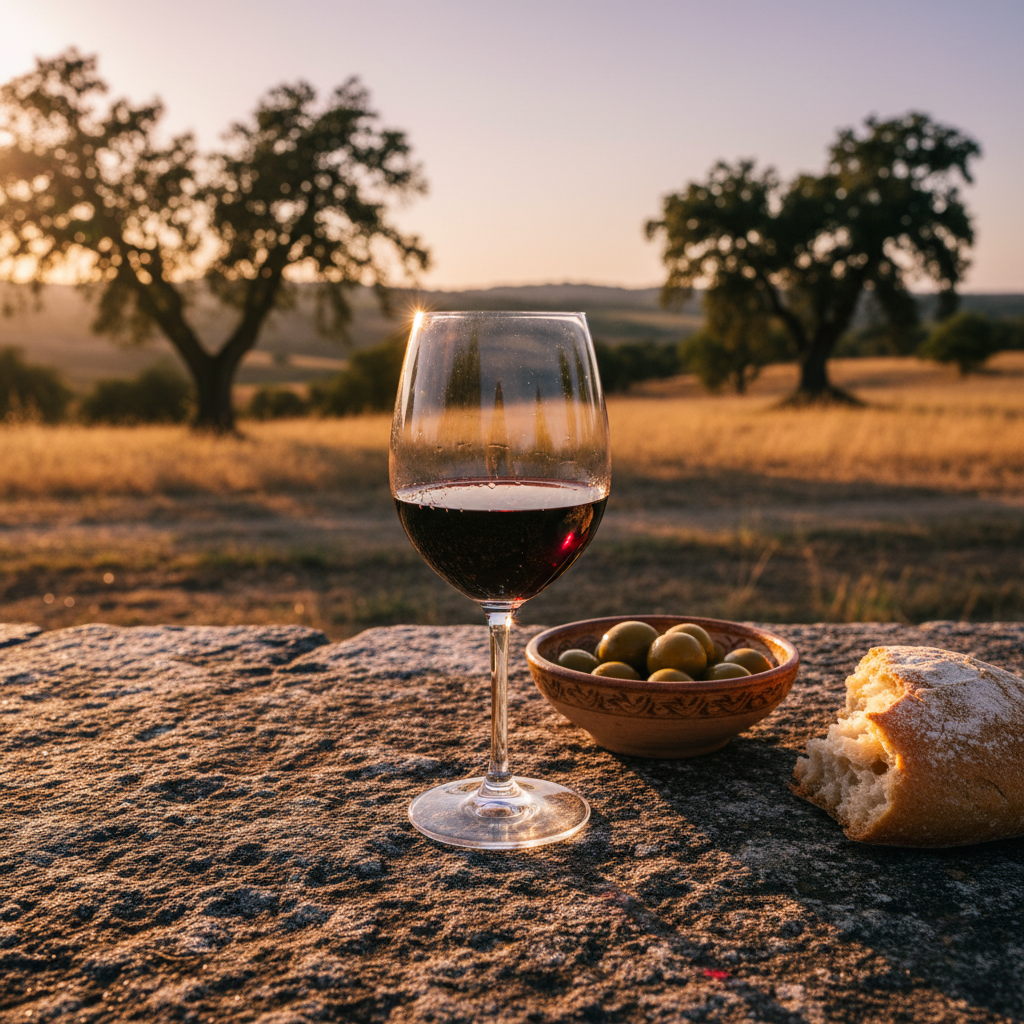
Discover the timeless allure of Évora and the sun-drenched plains of the Alentejo, where Roman history meets a sophisticated rural landscape of cork forests and ancient villages.
The Alentejo region, stretching across the vast sun-drenched plains of southern Portugal, represents the country at its most authentic and serene. It is a land where time seems to slow down, dictated by the rhythm of the harvest and the movement of the sun across golden wheat fields and silver-green olive groves. At the heart of this captivating landscape sits Évora, a city so culturally dense and historically significant that it has been designated a UNESCO World Heritage site in its entirety.
Traveling through the Alentejo is an exercise in appreciating the finer details of heritage and nature. The region offers a sophisticated escape for those who seek to move beyond the bustling coastal hubs and immerse themselves in a world characterized by whitewashed villages, ancient megalithic monuments, and a culinary tradition that is often considered the soul of Portuguese gastronomy.
## The Timeless Appeal of Évora
Évora is a living museum, a city where layers of history are stacked one upon the other with remarkable clarity. Founded by the Romans and later significant under the Visigoths and Moors, the city reached its cultural zenith during the 15th century when it served as a favored residence for Portuguese royalty. Today, its narrow, labyrinthine streets and elegant squares remain remarkably preserved, protected by a medieval ring of walls.
### The Roman Legacy
Standing proudly at the city’s highest point is the Templo Romano, often mistakenly called the Temple of Diana. Dating back to the 1st century AD, this is perhaps the best-preserved Roman structure on the Iberian Peninsula. Its fourteen Corinthian columns, crafted from local marble, have survived nearly two millennia of upheaval. The temple serves as a powerful reminder of the city’s long-standing importance as a regional capital within the Roman Empire.
### A Gothic Masterpiece and the Somber Chapel of Bones
A short walk from the Roman ruins leads to the Cathedral of Évora (Sé de Évora). This fortress-like structure, built between 1186 and 1250, is a masterful example of the transition from Romanesque to Gothic architecture. Visitors can ascend to the roof for a panoramic view of the Alentejo plains, providing a unique perspective on how the city integrates with its natural surroundings.
Not far from the cathedral lies the Igreja de São Francisco, home to one of the most intriguing and reflective sites in Portugal: the Capela dos Ossos (Chapel of Bones). Built by 17th-century monks to address the overcrowding of local cemeteries and provide a place for contemplation on the transience of life, its walls and pillars are meticulously lined with thousands of human skulls and bones. Above the entrance, a chilling yet poetic inscription greets visitors: "We bones that are here, for yours we wait."
## The Enchanting Landscape of the Alentejo
Beyond the walls of Évora, the landscape opens into the rolling plains that define the Alentejo. This region occupies nearly a third of Portugal's landmass, yet it remains one of the least densely populated areas in Europe. This sense of space is its greatest asset, offering a profound feeling of seclusion and peace.
The Alentejo is the world's leading producer of cork. The "montado" (cork oak forest) is a protected ecosystem that supports incredible biodiversity. As you travel through the countryside, you will notice the distinctive red numbers painted on the trunks of stripped trees, indicating the year they were last harvested. It is a slow, sustainable industry that perfectly encapsulates the Alentejo way of life.
### The White Villages of the Borderlands
The region is dotted with hilltop villages that once served as vital defensive outposts along the Spanish border. Monsaraz, a medieval village perched high above the Alqueva reservoir, is perhaps the most picturesque. With its cobblestone streets and whitewashed houses, it offers some of the most breathtaking sunsets in the country. To the north, Estremoz is famous for its high-quality marble, which is used so liberally that even the doorsteps and paving stones are made of the precious stone.
### Megalithic Mysteries
Long before the Romans arrived, the Alentejo was a significant center for Neolithic cultures. Near Évora, travelers can find the Almendres Cromlech, a prehistoric complex of 95 standing stones arranged in two large circles. It is older than Stonehenge and remains a place of quiet power, tucked away in an ancient grove of cork and olive trees.
## Gastronomy: The Heart of the Region
The Alentejo is often referred to as the breadbasket of Portugal, and its cuisine reflects a deep connection to the land. This is a region where the quality of ingredients is paramount. Discerning travelers will find that the local dining scene focuses on elevated simplicity.
Sophisticated palates will appreciate the complex olive oils of the region, often served with freshly baked Alentejo bread. Traditional dishes frequently feature black Iberian pork (porco preto), which roam freely among the oak forests, and rich sheep’s milk cheeses from Nisa or Serpa. The region is also home to some of Portugal’s most prestigious wineries, producing full-bodied reds that are celebrated on the global stage.
## Planning Your Visit to the Alentejo
While the Alentejo is beautiful year-round, timing can significantly impact the experience. The region is known for its intense summer heat, which can be quite taxing for those unaccustomed to it.
### Best Times to Visit
Spring (March to May) is arguably the most beautiful season, as the plains are carpeted in wildflowers and the temperatures are ideal for exploration. Autumn (September to October) is also exceptional, coinciding with the grape harvest and offering pleasant, warm days. Winter is quiet and crisp, perfect for cozying up near a fireplace in a rural estate after a day of sightseeing.
### Accessibility and Comfort
Évora is located approximately 90 minutes east of Lisbon, making it accessible for those based in the capital. While there are train and bus connections, the true beauty of the Alentejo is found in its remote corners, hidden wineries, and small villages. Navigating the winding rural roads requires a reliable vehicle and a layout that allows for flexibility.
## Exploring with Portugal Magik
For 14 years, Portugal Magik has been dedicated to discerning international travelers seeking premium experiences. We understand that the journey is just as important as the destination. Discovering the Alentejo should be a restorative experience, free from the constraints of rigid schedules or the stresses of navigation.
Our private tours through this vast region are conducted in a high-end Mercedes-Benz fleet, including E-Class and V-Class vehicles, ensuring the highest standards of comfort and safety. With a professional, English-speaking driver at the helm, you are free to admire the passing landscape, engage in insightful conversation about the region’s history, and enjoy a curated itinerary that respects your pace and interests.
From the moment of door-to-door pickup in Lisbon to the return journey across the 25th of April Bridge, our focus remains on providing a seamless and sophisticated travel experience. Whether you wish to spend an entire day uncovering the secrets of Évora or venture deeper into the marble towns and border villages, our team ensures that every mile is traveled in style.
The Alentejo is a region that rewards those who take the time to look deeper. It is a place of profound beauty, ancient history, and unparalleled tranquility. When you are ready to experience the rolling plains and Roman ruins of this remarkable region, we are here to ensure your journey is nothing short of exceptional.
Speak with our team and discover how to turn this experience into reality. Our experts are ready to assist in crafting a day that reflects your personal preferences while showcasing the absolute best of the Alentejo. Request your personalized proposal today.